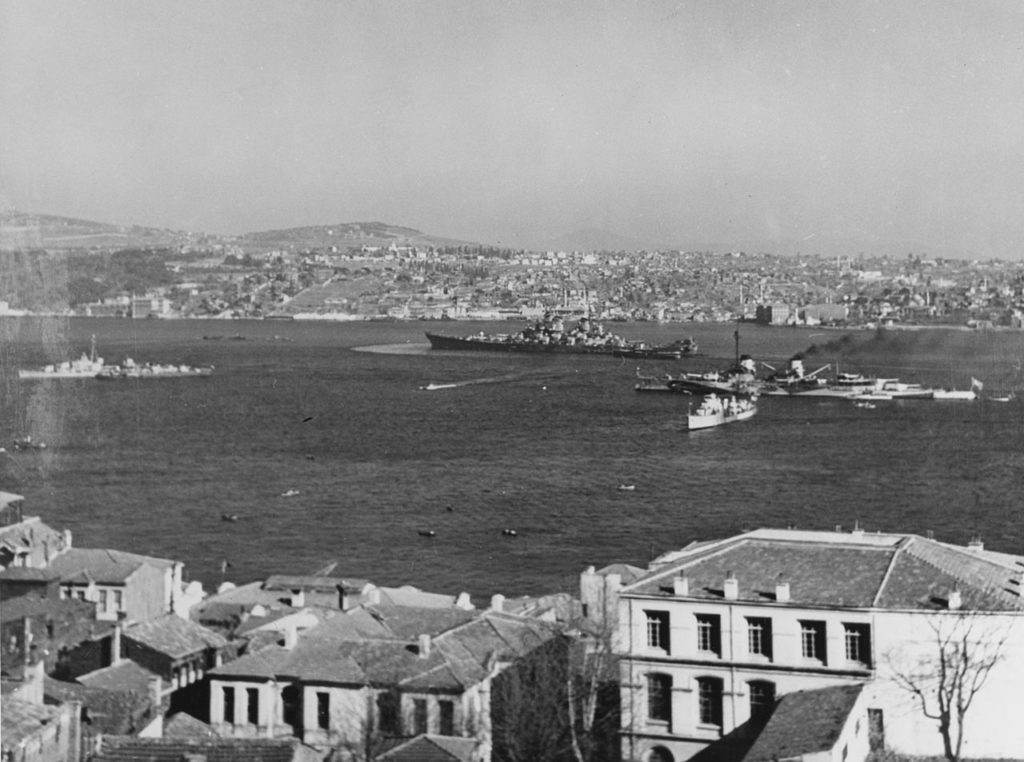
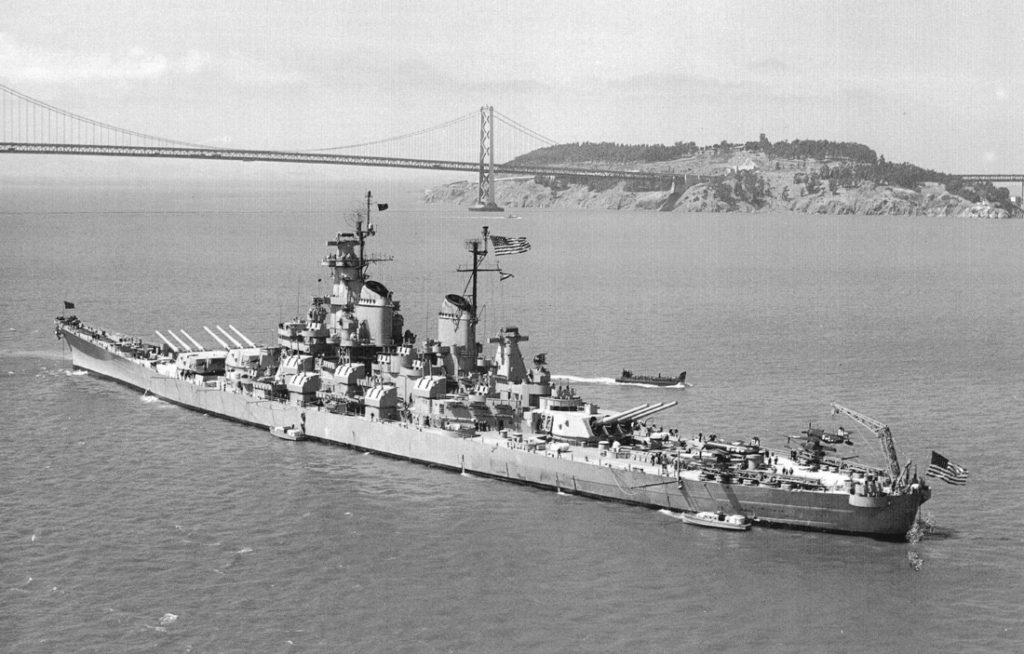
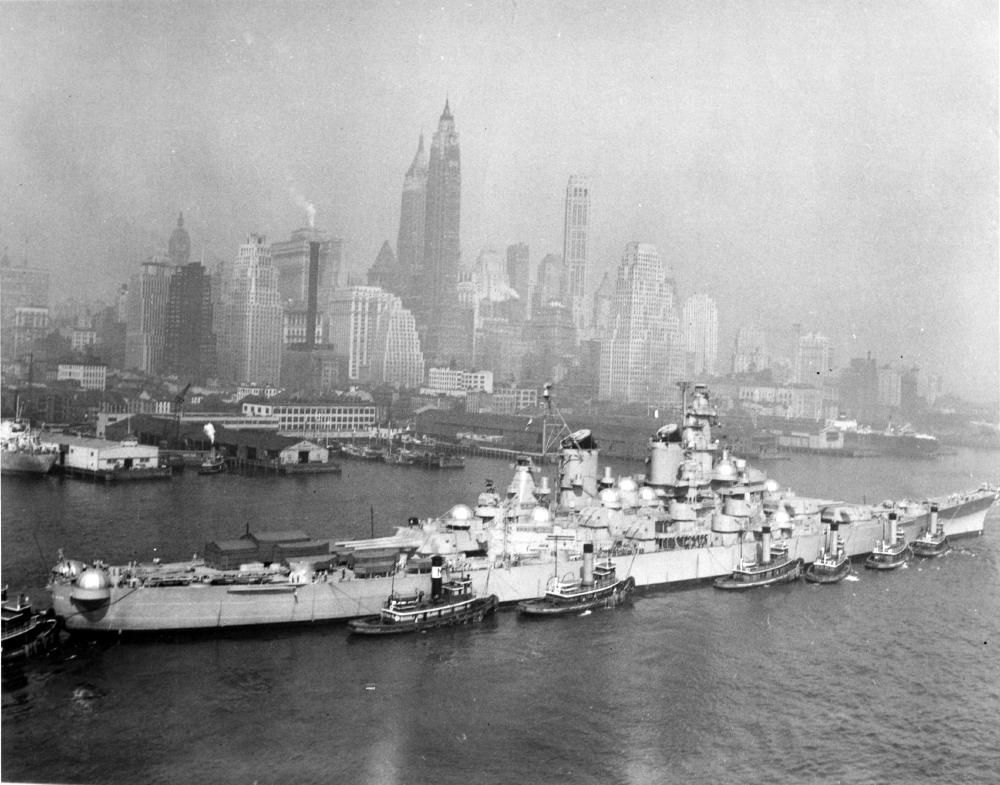
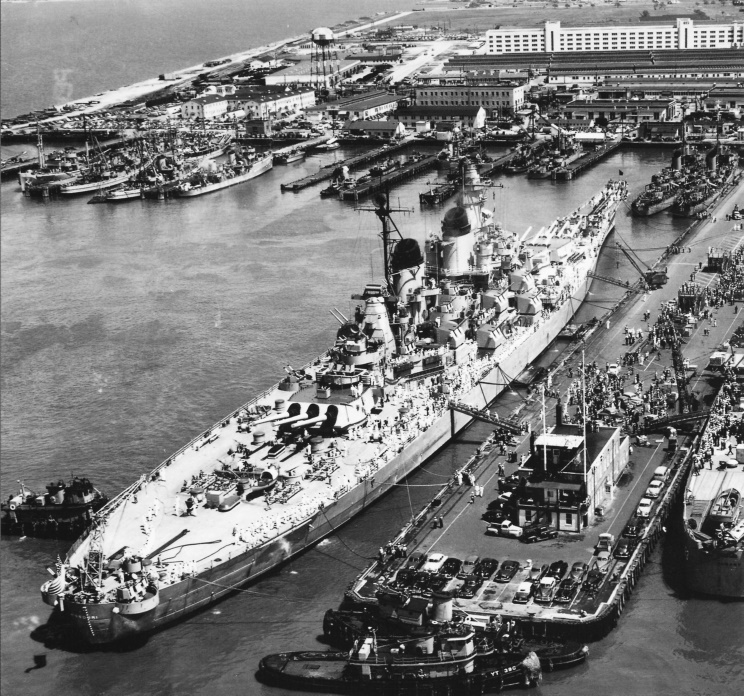
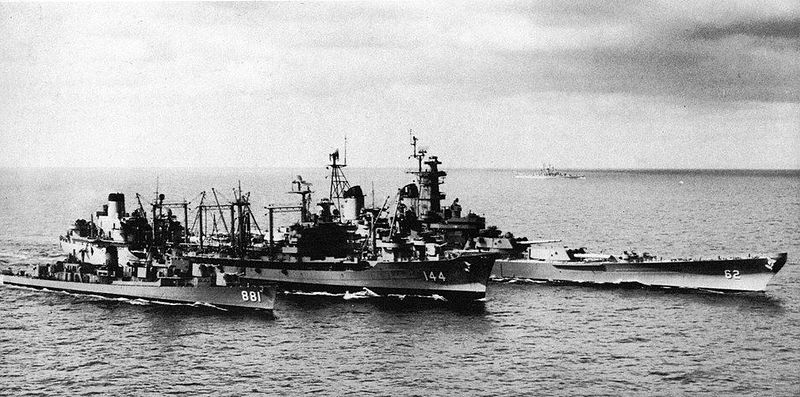
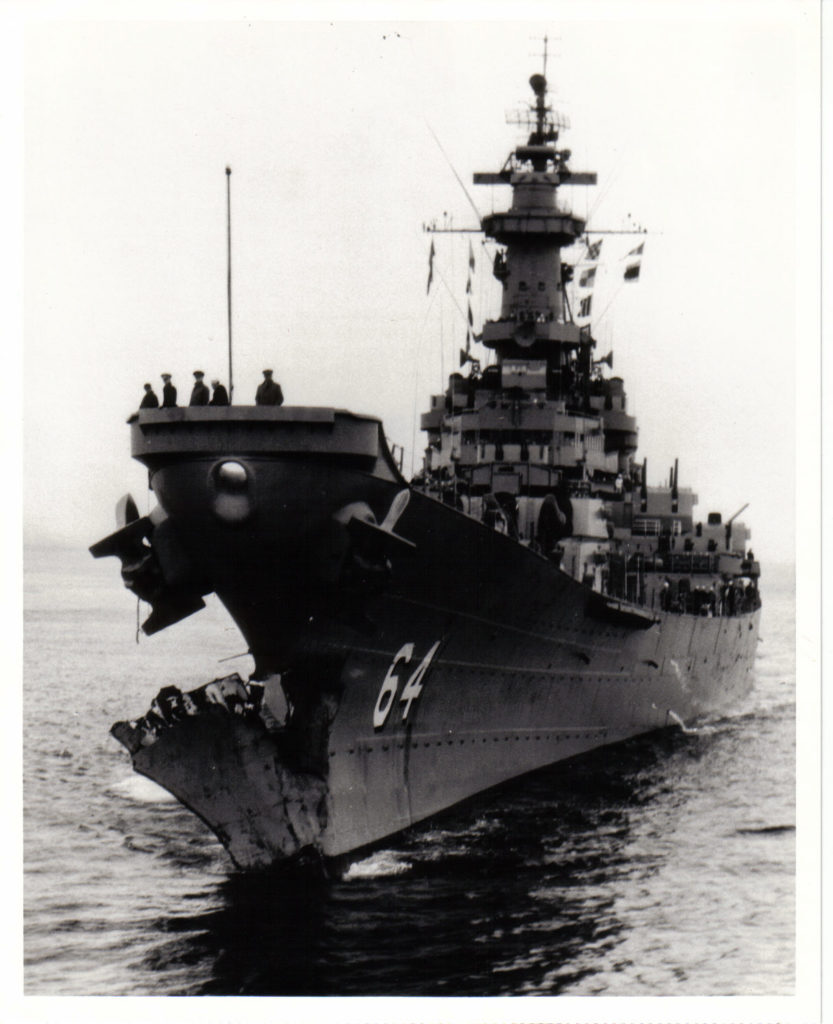
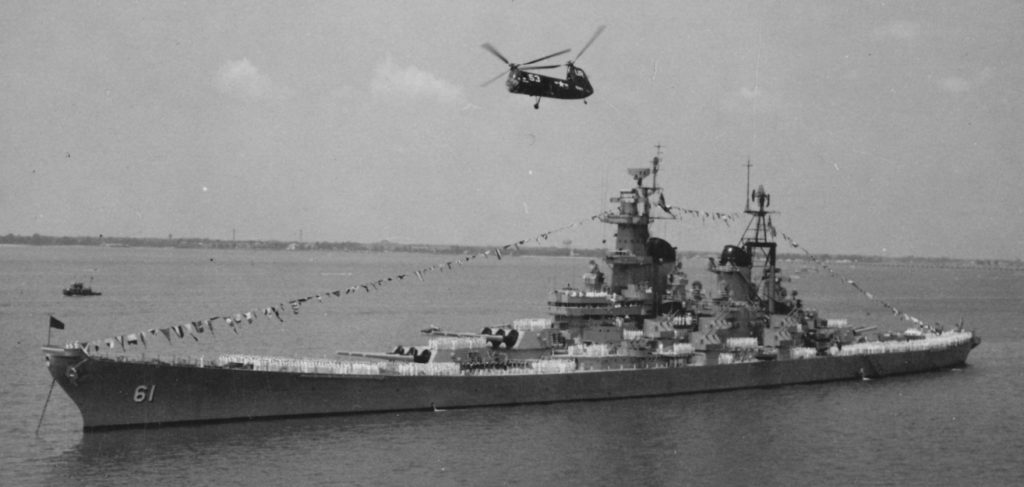
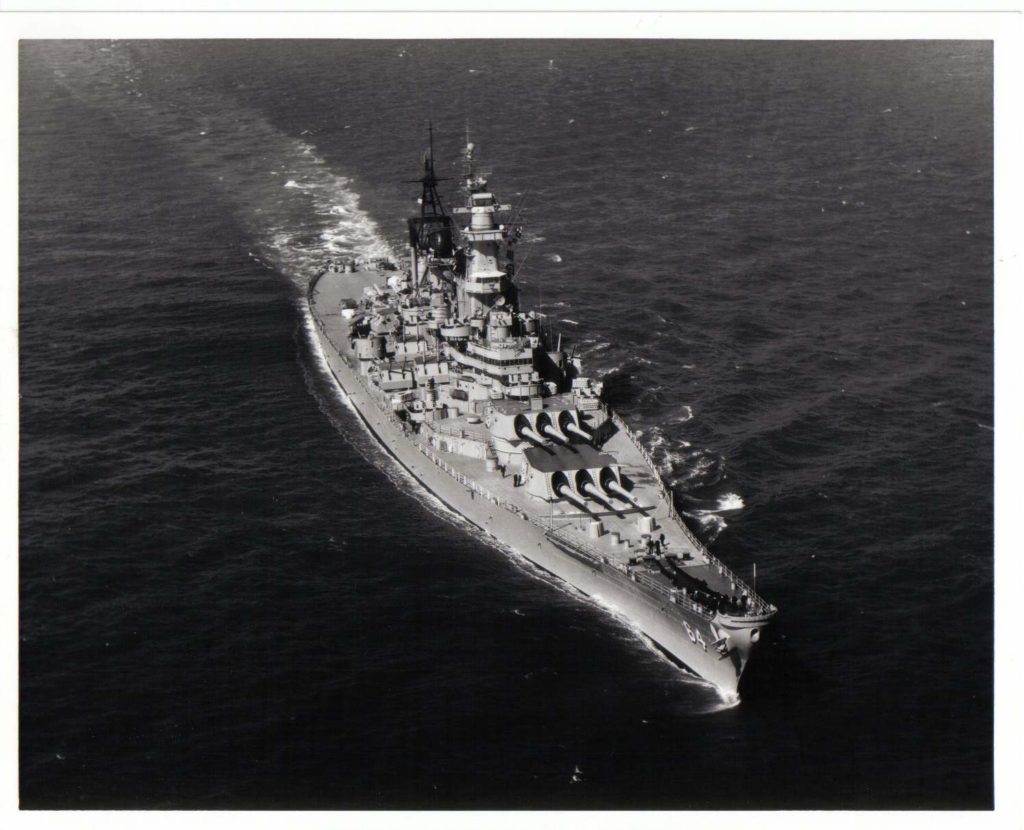
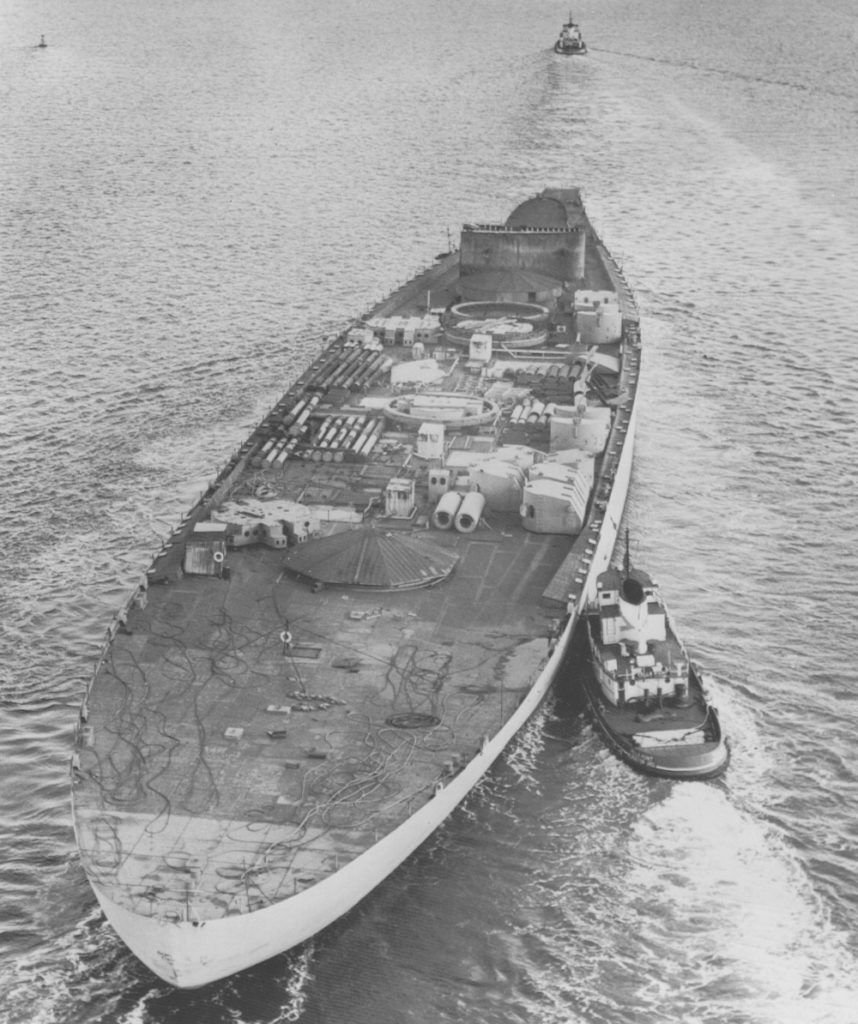
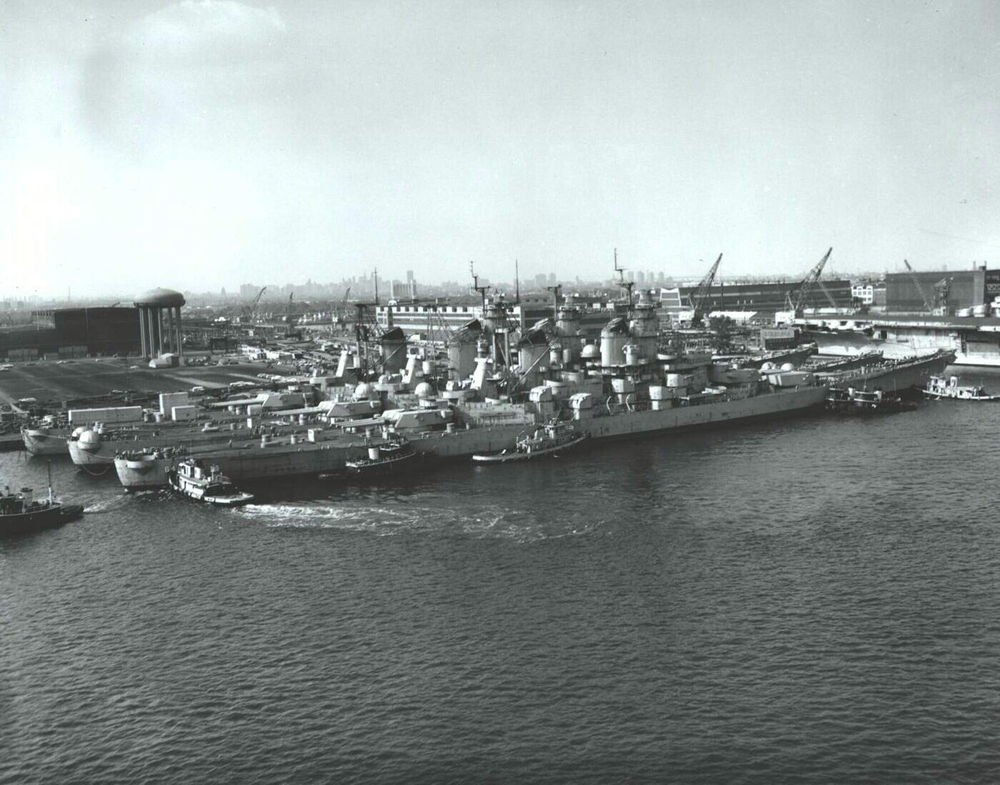
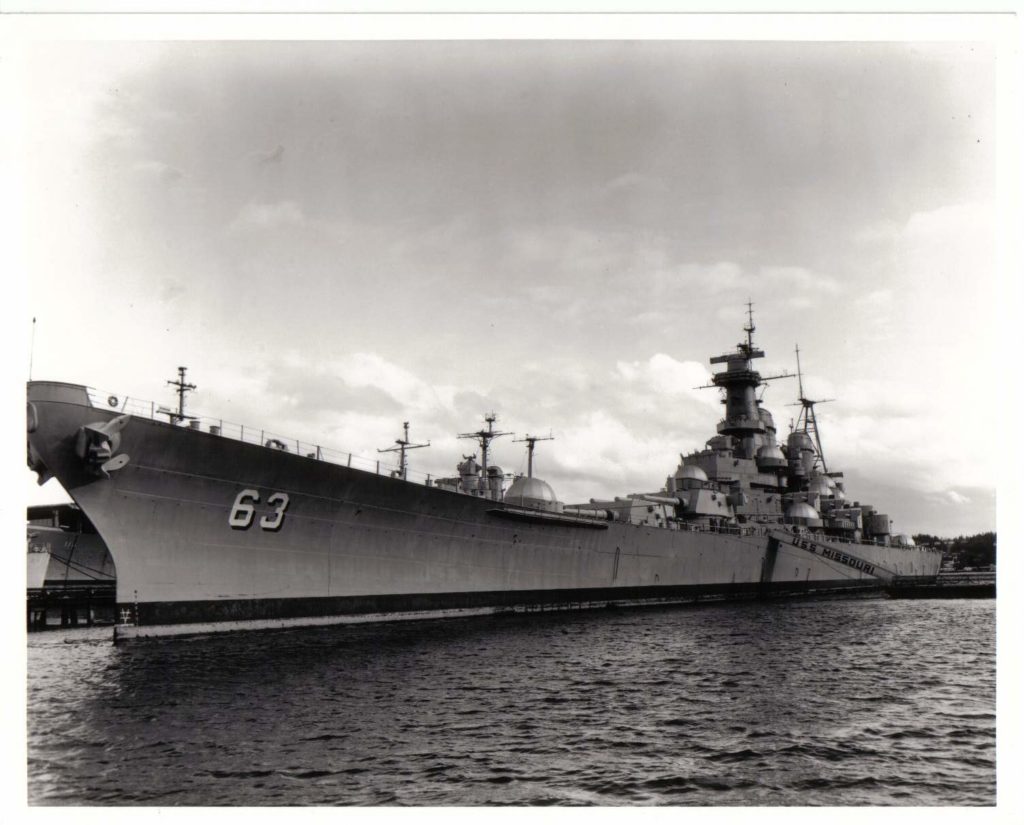
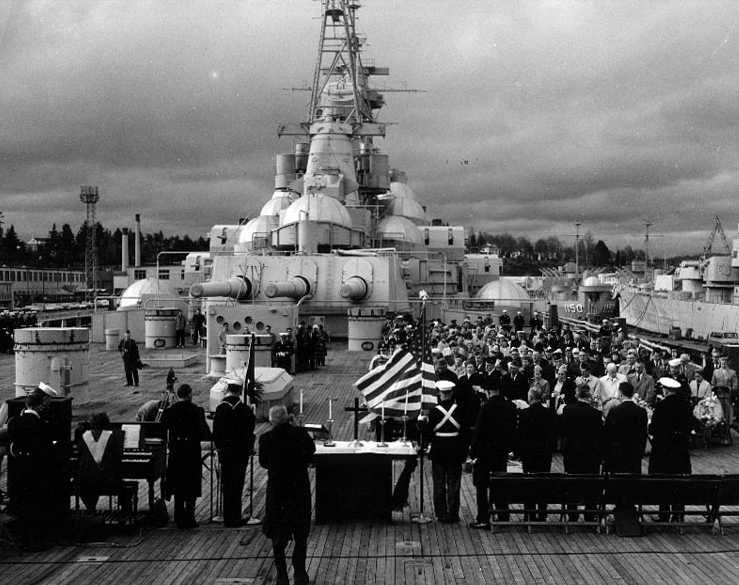
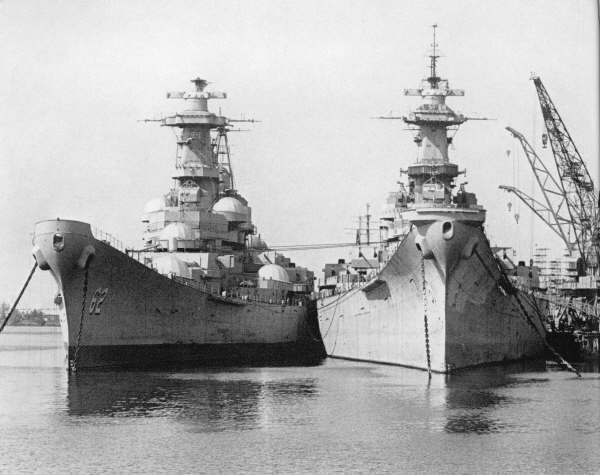
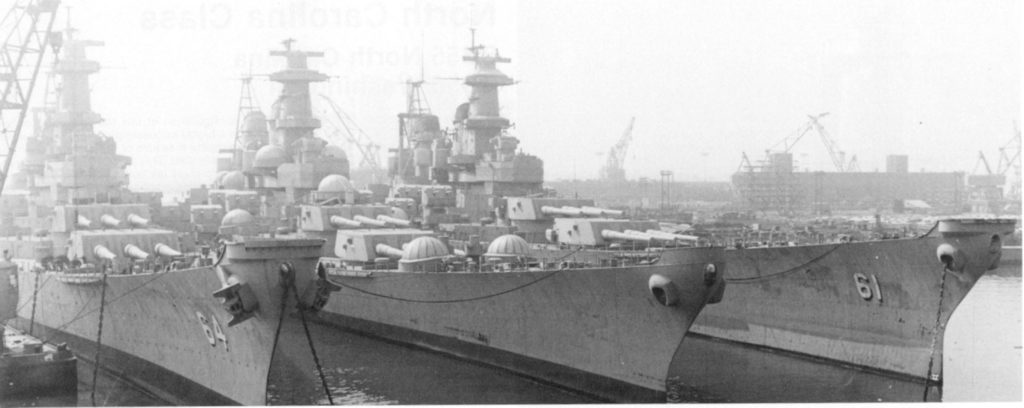
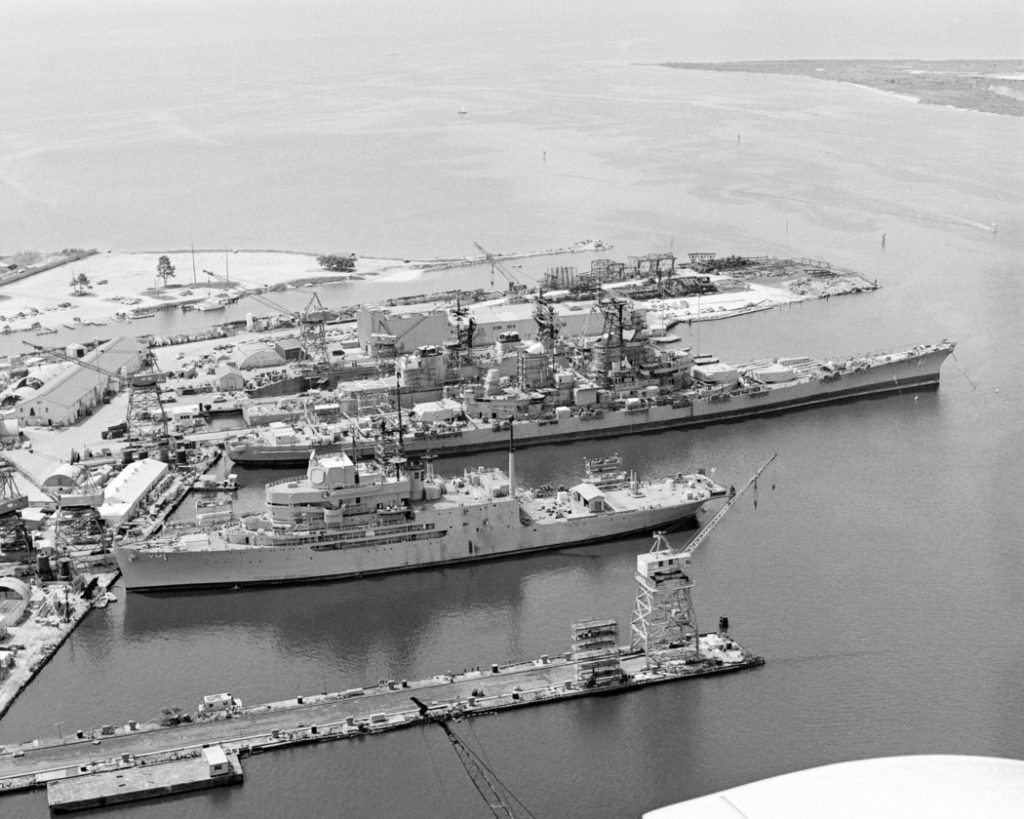
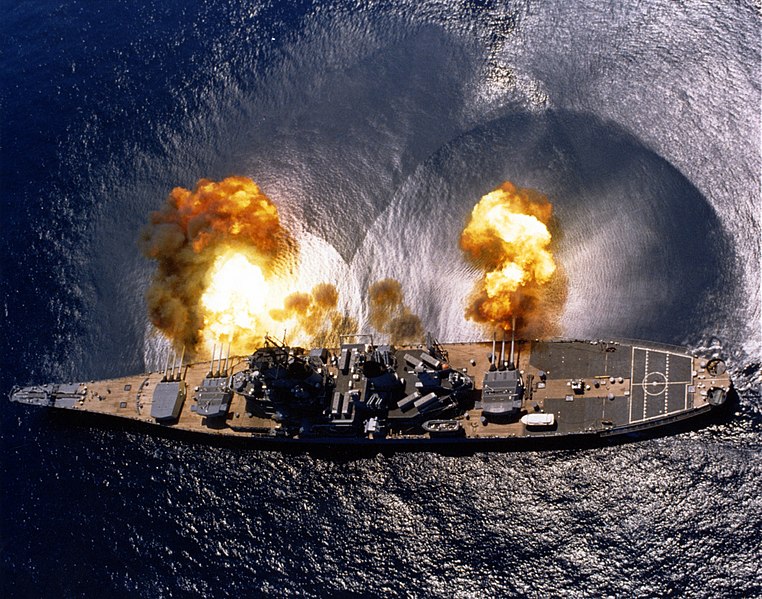
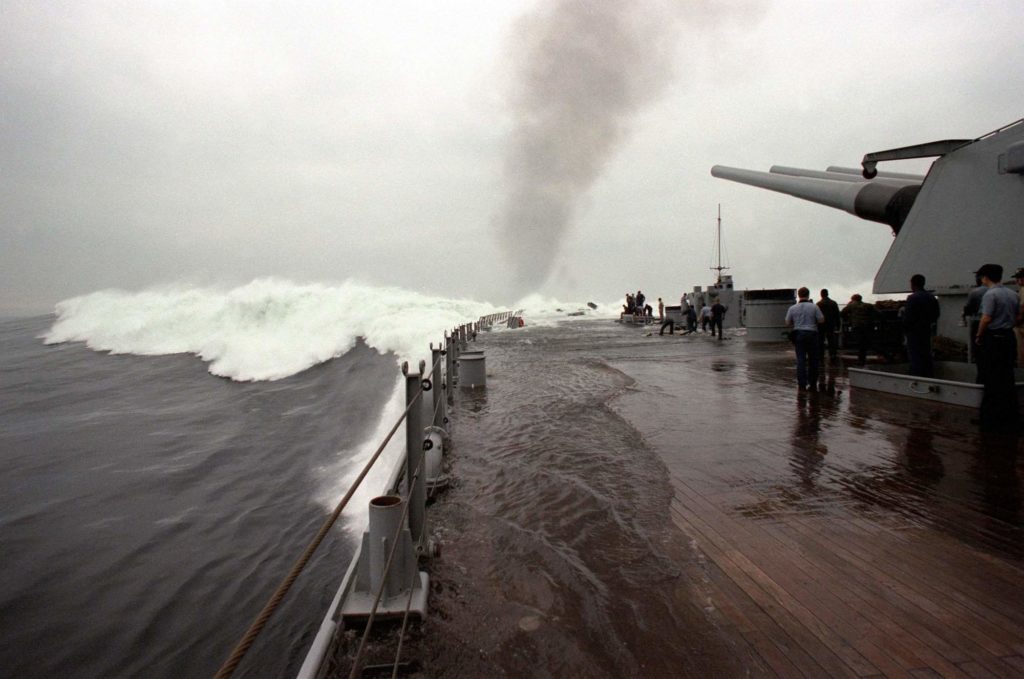
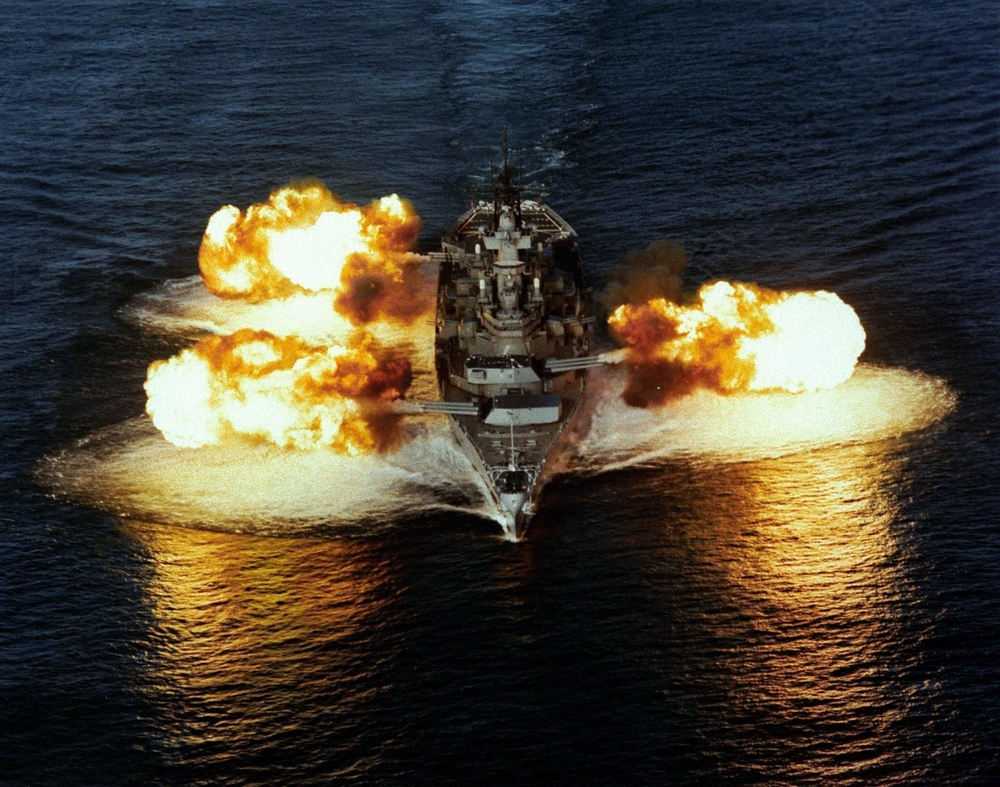
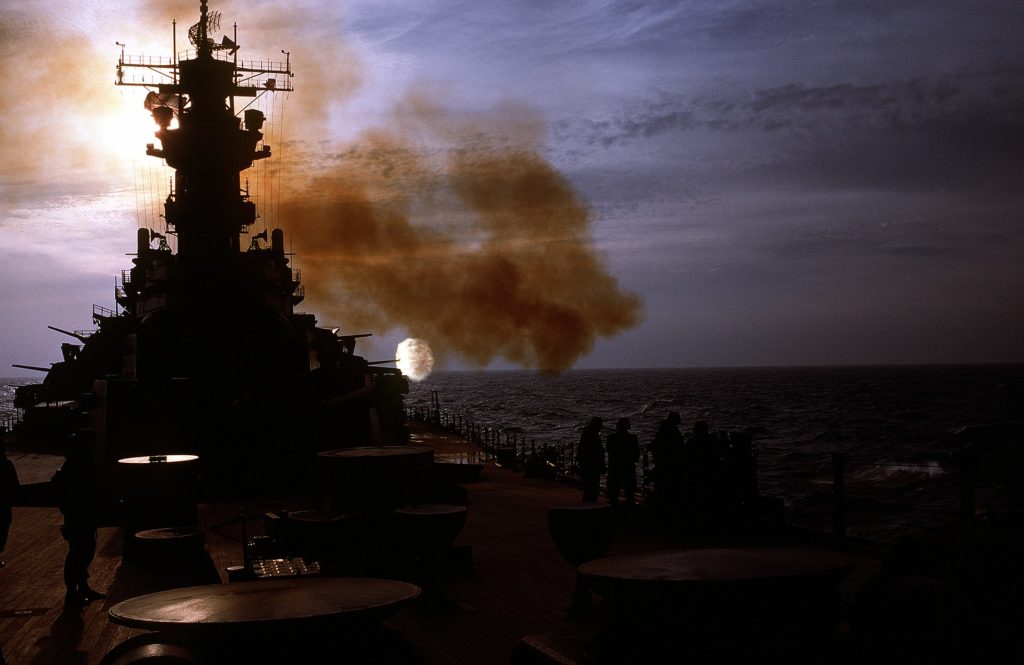
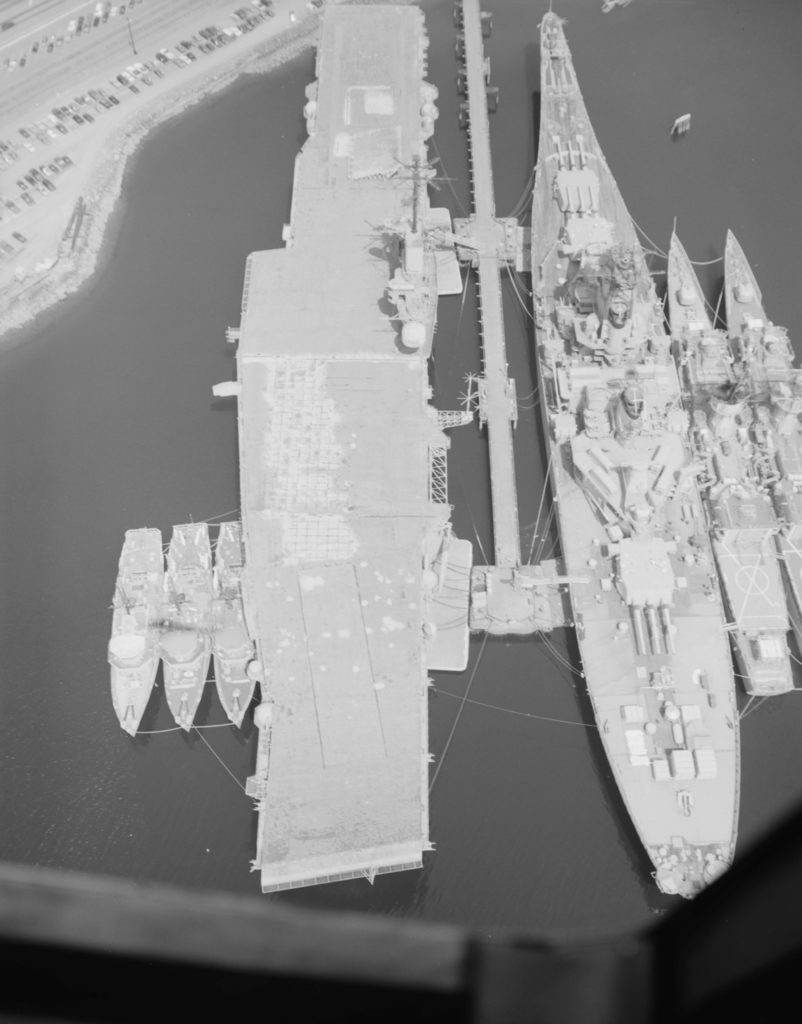
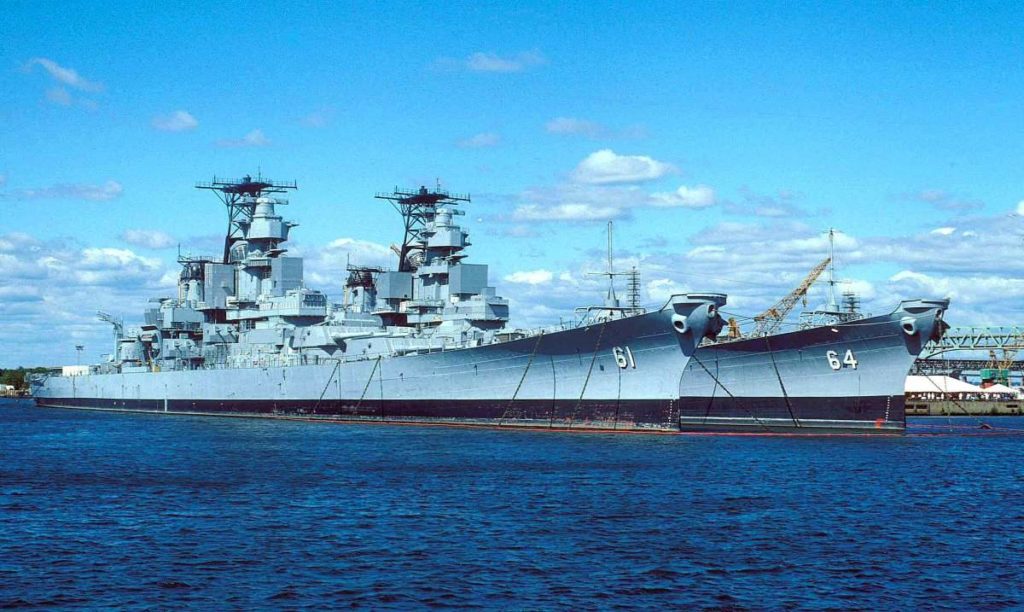
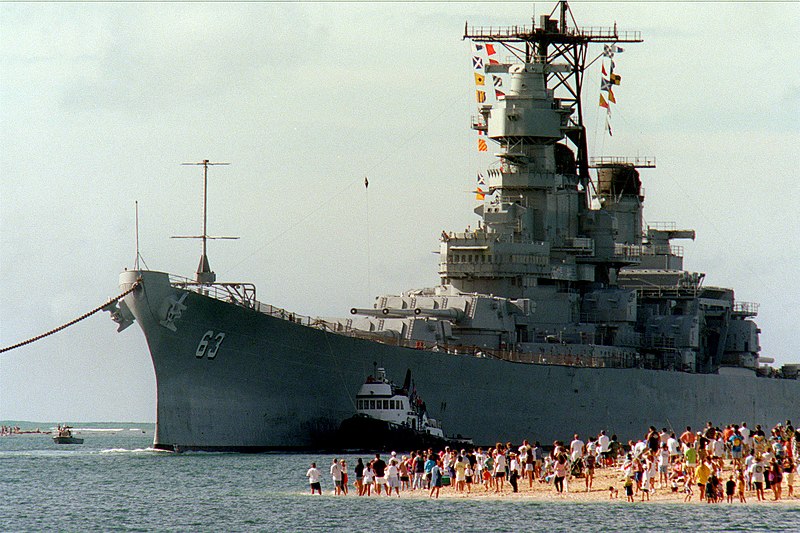
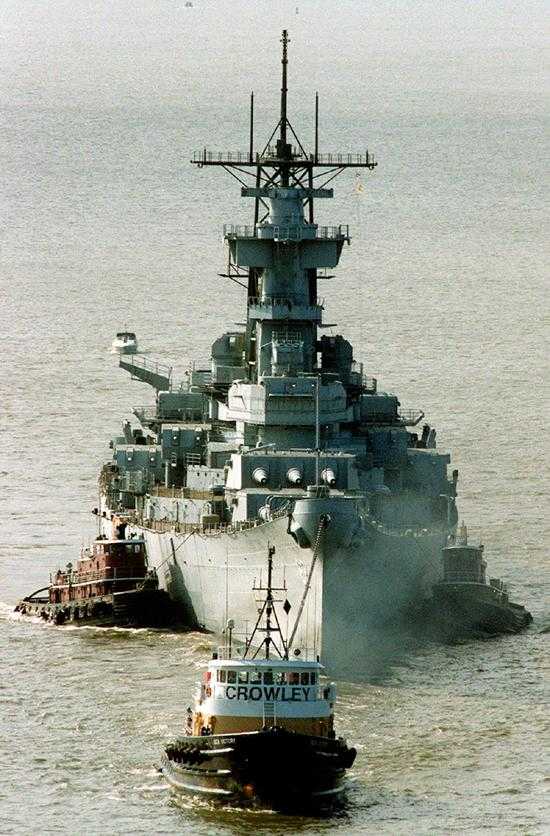
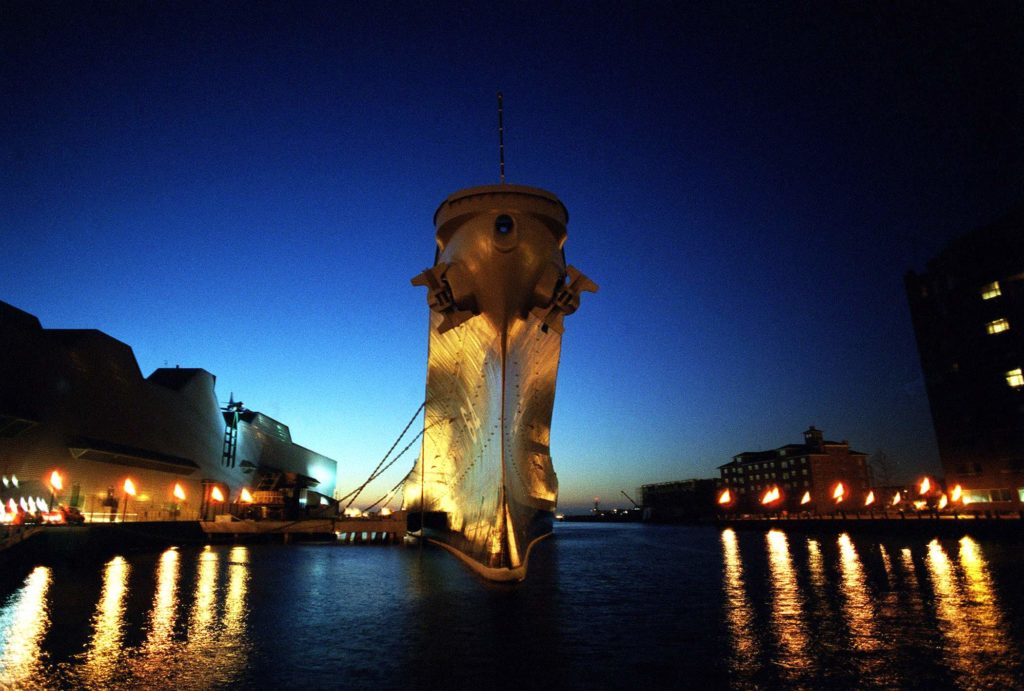
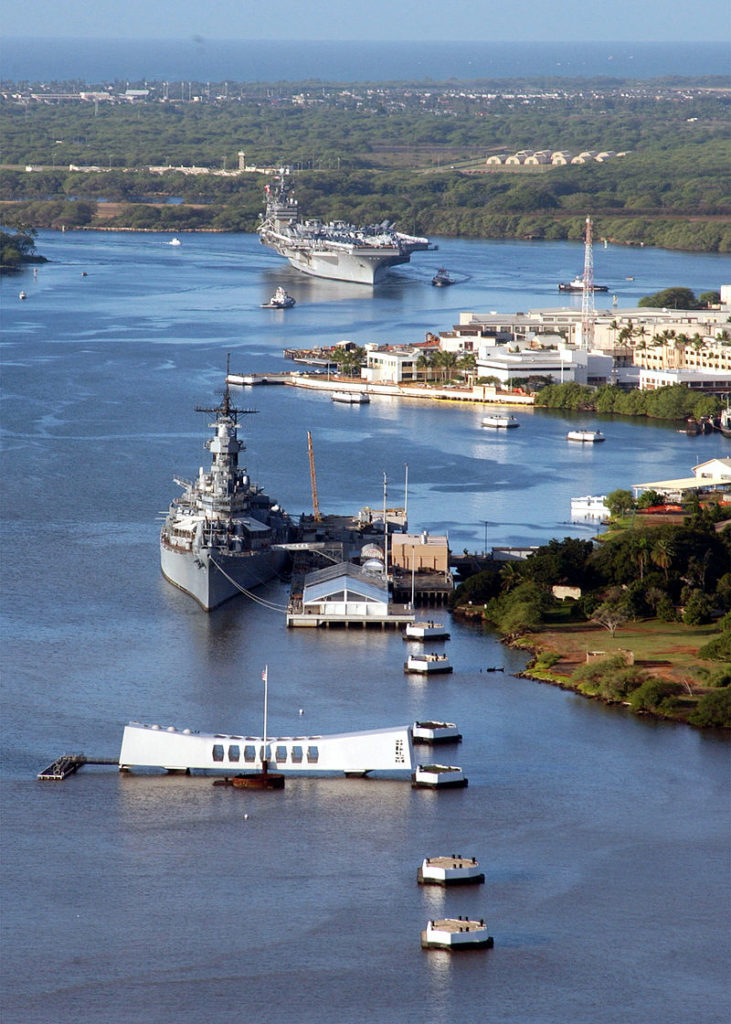
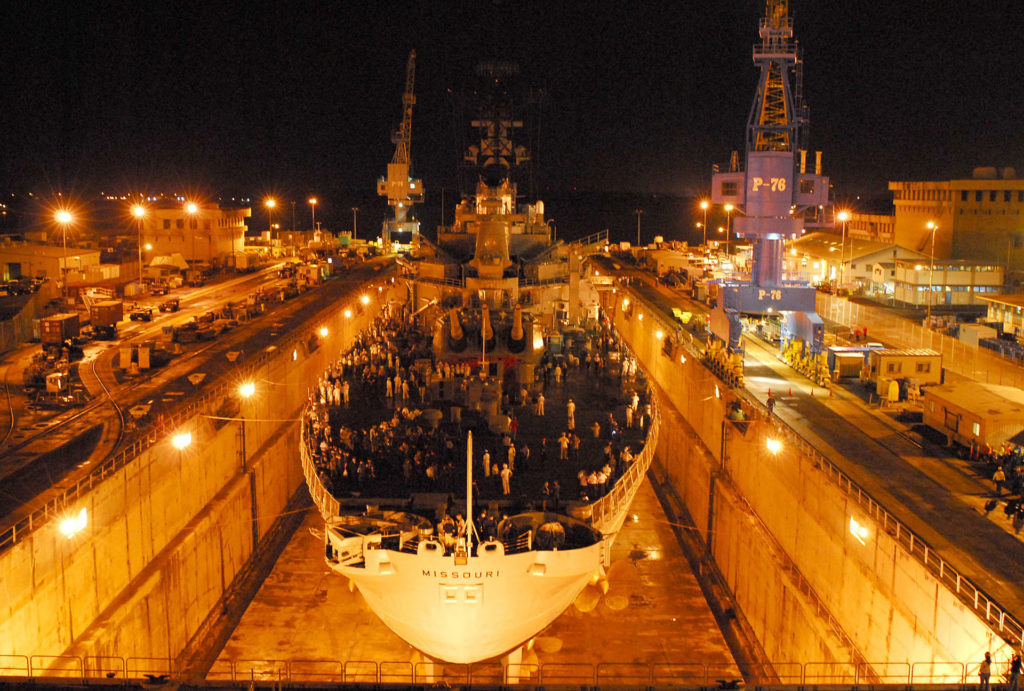
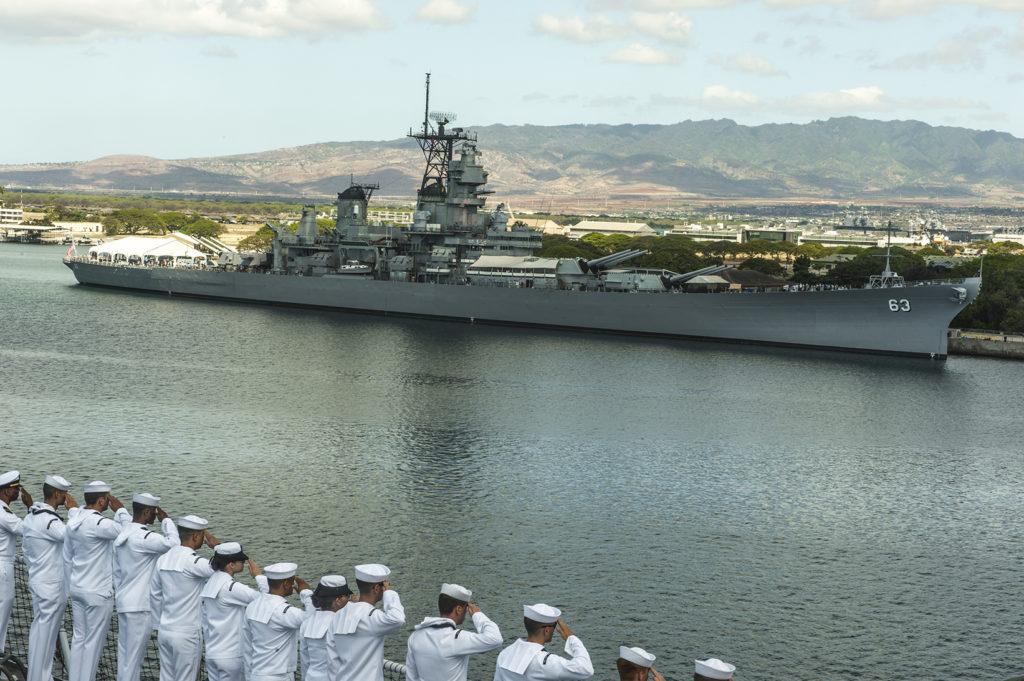
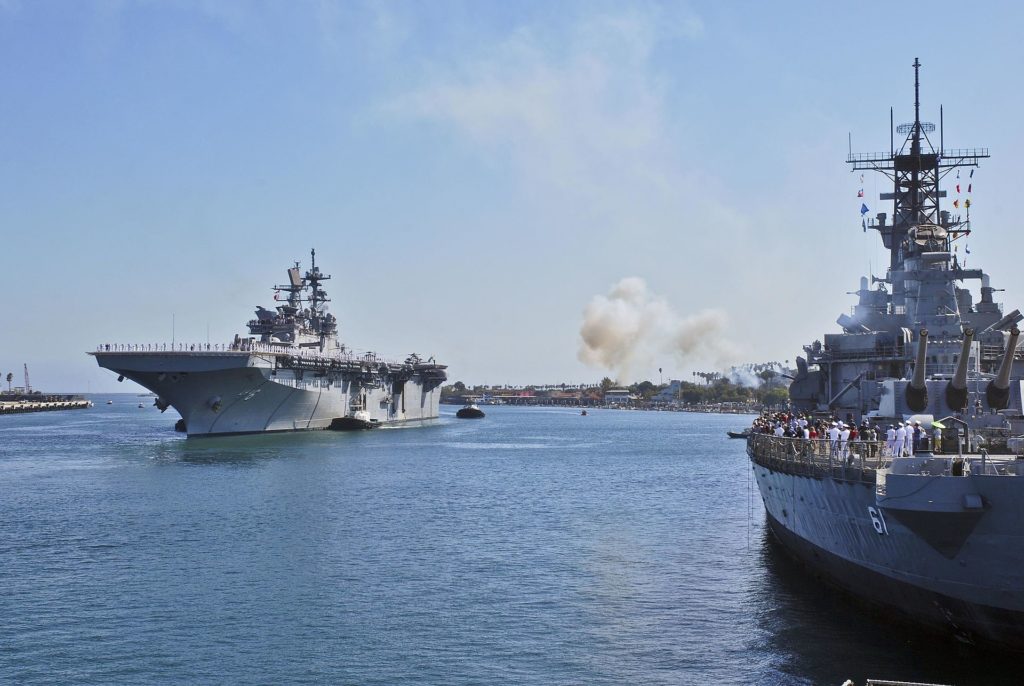
I shamelessly clipped this from Tom Kratman and farcebook a couple days ago. I thought it was a pretty good post. I have blogged a bit about "Battleships" in the past on my blog.

In Starship Troopers Heinlein listed as one of the branches possibly open to Rico, "Combat Ecology." I've always thought that referred not to saving the interstellar snail darter, but the relationship between weapons systems and tactics that advance some groups and depress or eliminate the use of others.
Hence, this very thoughtful peace from Quora on, though the author didn't phrase it that way, the combat ecology of the battleship:
Could a modern navy build a new class of battleships, or would such vessels be obsolete?
Eric Husher, former Senior Balkan Intelligence Analyst (1992-1996)
Answered Feb 12 · Upvoted by Olan Prentice, Veteran at United States Navy
The short answer is ‘no,’ as I will explain.
I think one of the more pernicious myths is that ‘the battleship was made obsolete by the aircraft carrier and has no function today.’ You see this in book after book, but a closer examination of the facts indicates otherwise.
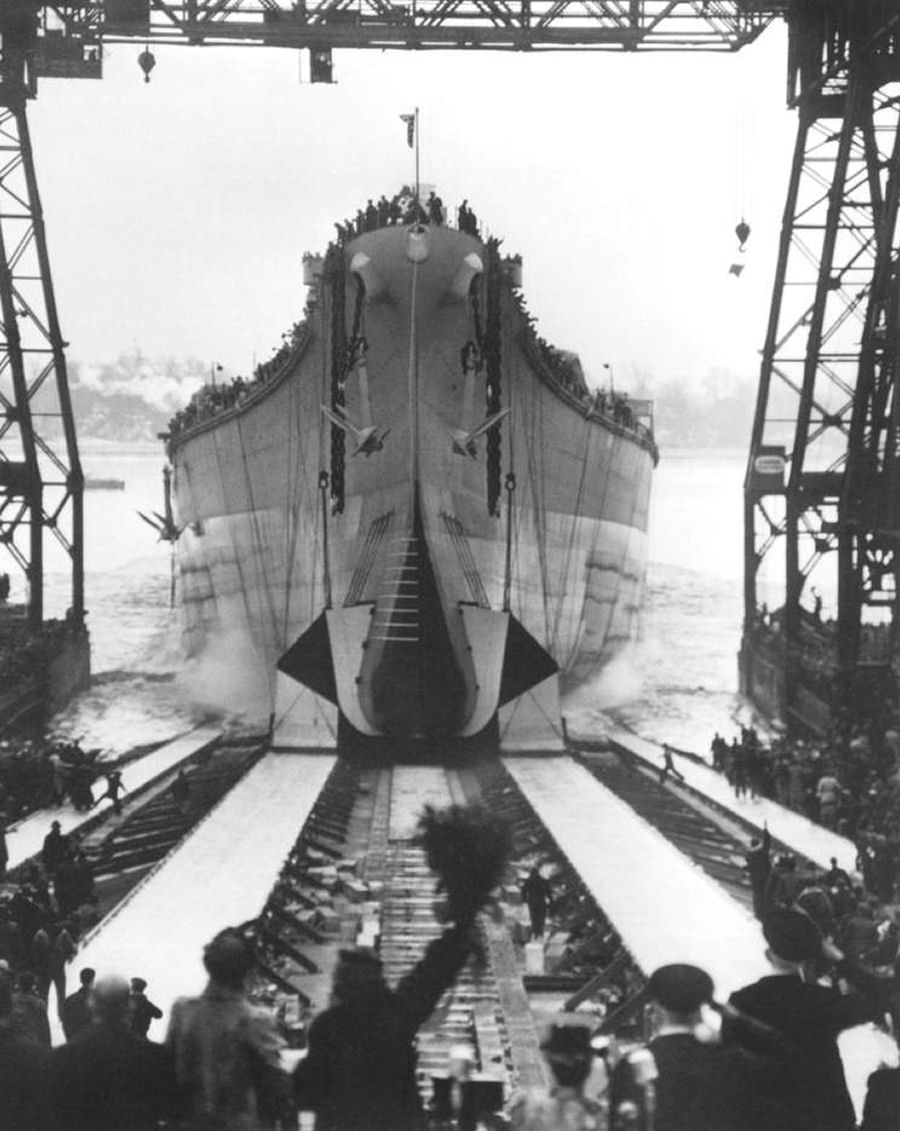
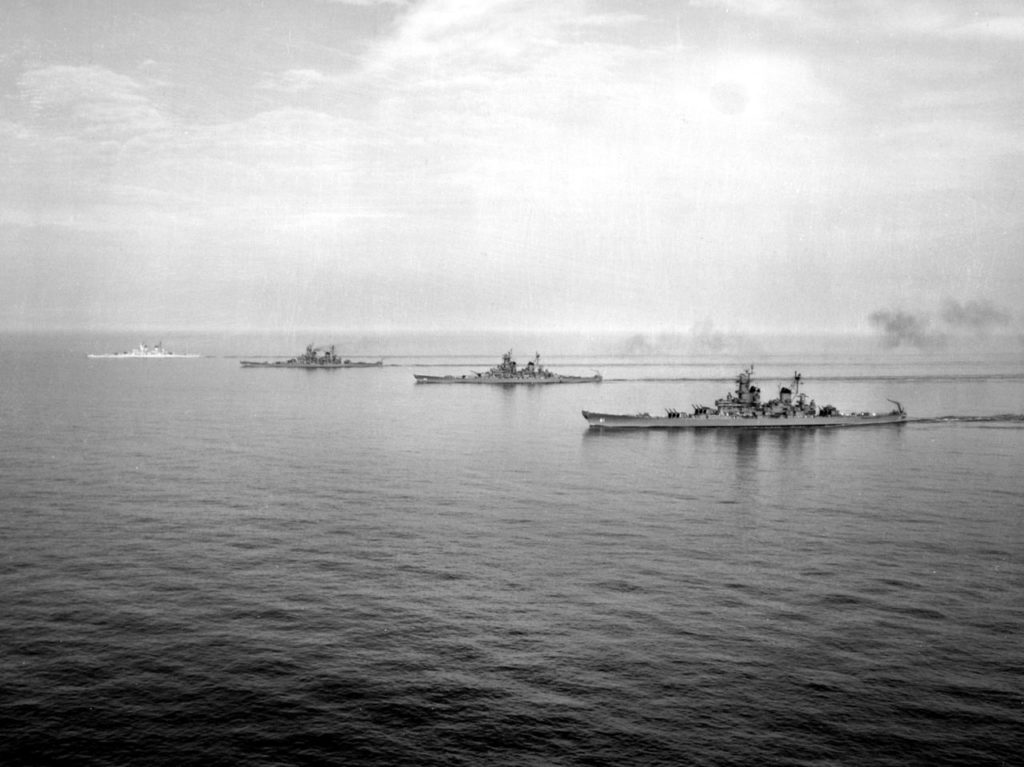
It is important to understand a few things about battleships before talking about ‘obsolescence’ or aircraft carriers, and the FIRST thing to know is that battleships are the direct descendants of the ‘line of battle’ of Nelson’s time. In other words, they were NEVER intended to operate alone, or as ‘a pair,’ but as a SQUADRON of no fewer than four, and preferably more, with the squadron being considered the minimum necessary to conduct all maneuvering evolutions. Squadrons would be combined to produce fleets, and it was the squadron that was used as the minimum tactical unit for battleships. This ‘understanding’ held true until WW2, when events forced navies to use battleships otherwise, and with invariably poor results.
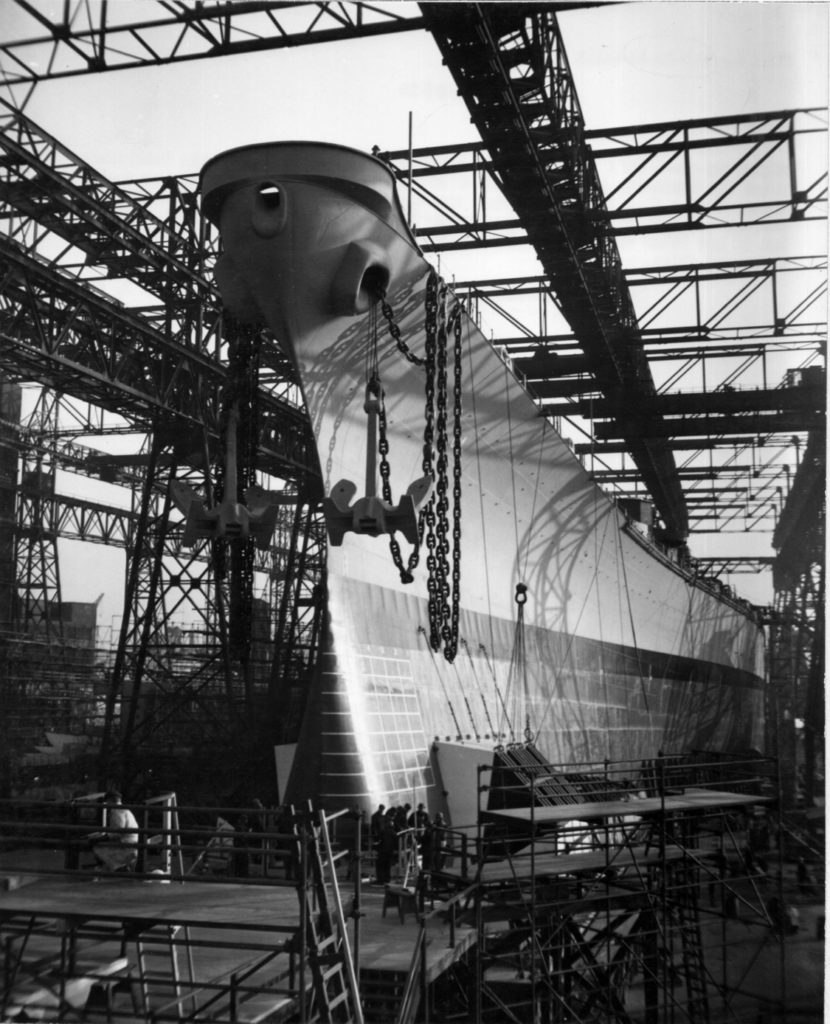
The next thing to know is that battleships were not just intended to deliver powerful blows (like modern warships), but to RECEIVE and WITHSTAND powerful blows as well (unlike modern warships), and thus, could not just ‘stand in the line,’ but STAY in the line regardless of multiple hits. It was this dual function that produced the international naval armaments race prior to WW1, as newer and stronger forms of armor and design were developed, and at the same time, newer and more powerful naval guns were successively produced to defeat that armor. Such ships produced from the 1880’s until the end of the ‘battleship era’ at the conclusion of WW2, were rapidly made obsolete by these rapid advances, such that a battleship might only have a useful life of less than ten years before being superceded by a much more powerful version, and of course, this was a VERY expensive proposition. As well, the logistics tail necessary to produce a battleship, its armor, engines and weaponry was likewise very expensive and quite specialized in nature and with little application outside the production of more battleships. Consider the equipment necessary to found, forge, and roll out enormous plates of armor steel as much as 16″ thick, and you get some idea what I am talking about.
This ‘process’ and ‘race’ by nations to create the ‘ultimate’ battlefleet found its ultimate expression just before WW1 with the invention and production of the ‘dreadnoughts;’ heavily plated with armor belts up to 14″ thick, oil-fired turbine engines to produce a minimum speed of 20 knots, and an ‘all-big gun’ armament of eight or more guns firing 11″ to 15″ diameter shells as much as 20 KM to hit their targets. These dreadnought battleships, and their dreadnought battlecruiser escorts proved their worth and lived up to their reputations in WW1, but because they WERE so expensive to produce, and any losses would represent such a loss of national treasure, there was a fair bit of concern as to how boldly they might be used. The Germans in particular (because they were outnumbered by the British navy), were loath to ‘commit’ their fleet in anything other than an opportunity whereby they might outnumber the British by trying to isolate a squadron or two of British ships that they might then destroy with their own numbers. The British attempted numerous times to achieve the same effect, but at the end of the day, there were really only three significant clashes between the behemoths, at the Falklands, Dogger Bank, and of course, Jutland.
The ‘performance’ of the battleships in the clashes can be considered not just by the amount of hits achieved, and damage inflicted, but by the number of times these ships were hit and did NOT simply explode or immediately sink, but in fact ‘stayed in the line’ and returned home in some cases wounded, but alive. The German battlescruisers were each hit by as many as 28 heavy shells of 12″, 13.5″ and 15″ shells, yet CONTINUED to fight and return damage of their own (three British battlecruisers were sunk that day, in return for the loss of but one German battlecruiser).
Such was the concern over the capabilities and expense of these ships, that after the war, long thought was given to the need to restrict the building of further battleships, and the reduction in the number of existing battleships both as a means of ‘improving the chances for a lasting peace,’ but more importantly, to protect the nations from bankruptcy. The goal of these various treaties and negotiations was to produce national fleets that were much smaller than those of the Great War and prior, with the leading nations restricted to no more than two or three battleship squadrons, depending on the nation involved (the US got three squadrons, as did the Brits, but the Japanese were only allowed two, the French and Italians one each, and the Germans NONE).
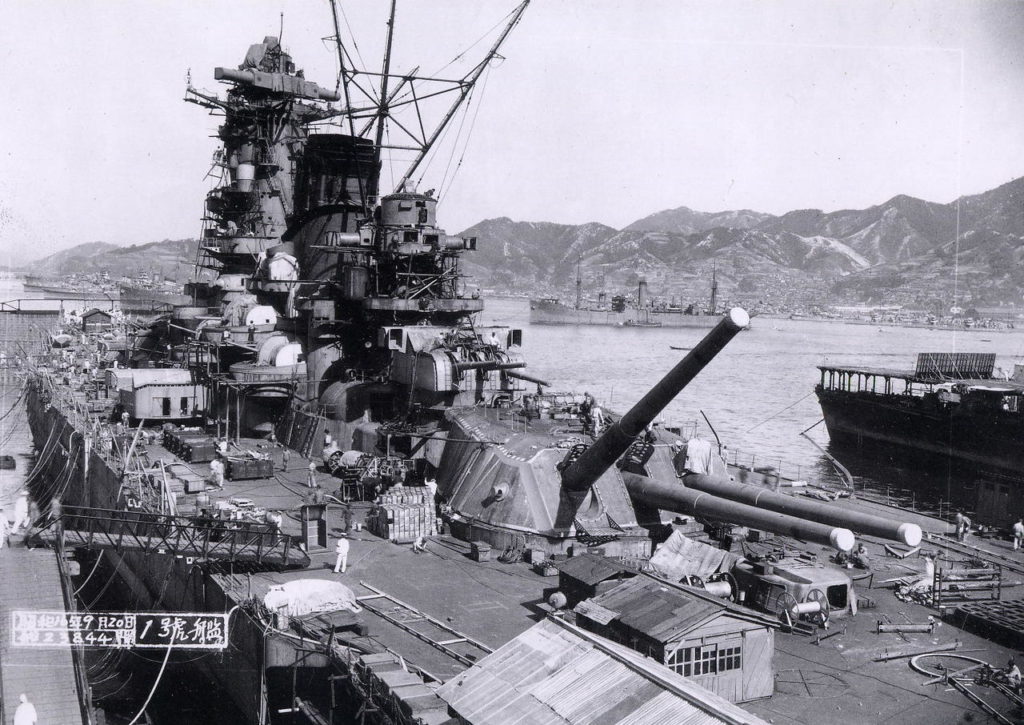
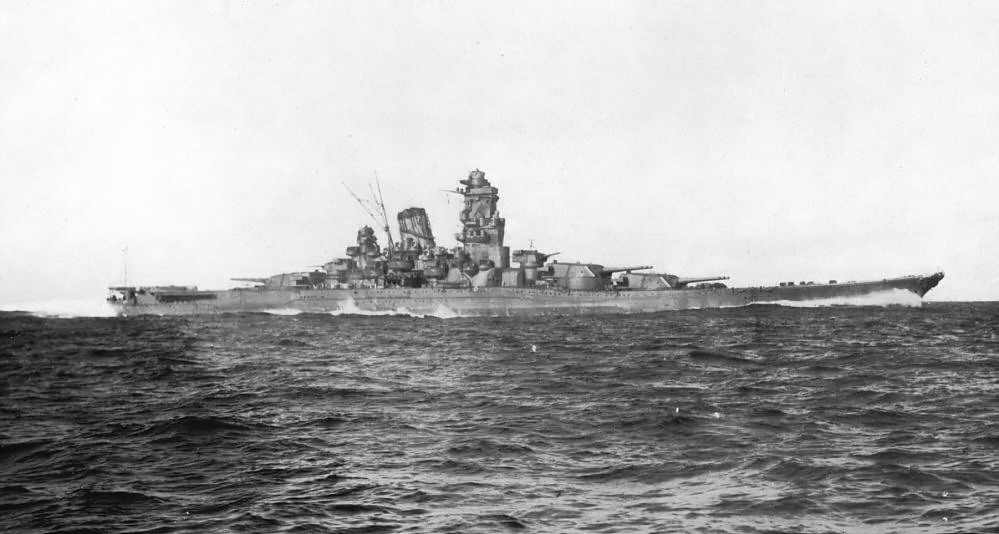
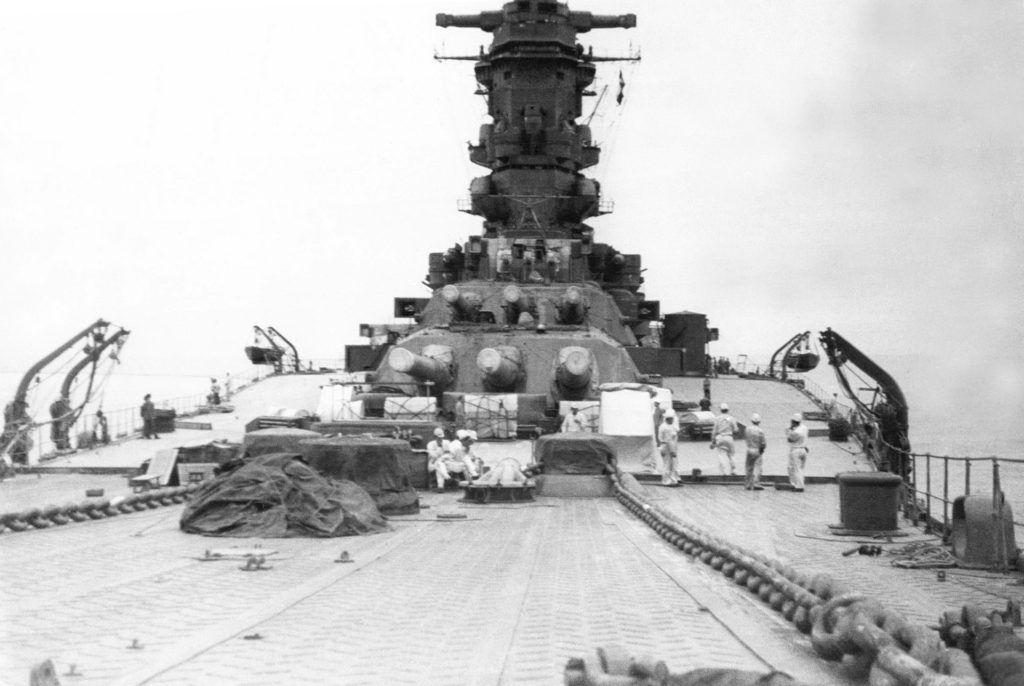
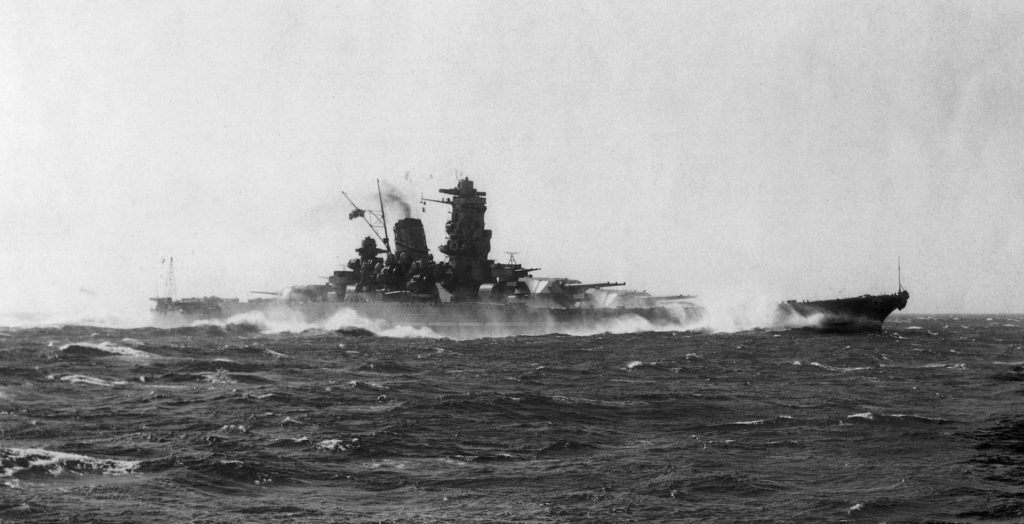
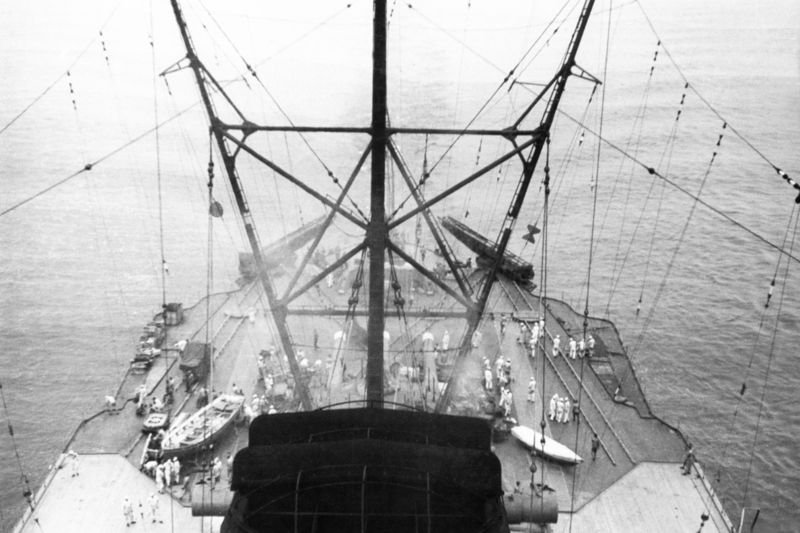
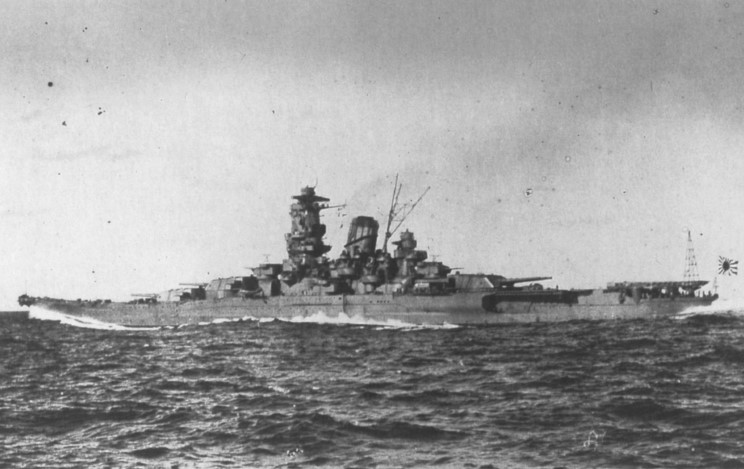
By the middle of the 1930’s, many of these battleships were becoming quite elderly, and replacements were designed on much more modern principles, with serious thought given to the threat of air-power. It is concurrent with this period that the first fleet aircraft carriers became fully operational. Because of the reduced size of the battleship fleets available, some nations, particularly the Japanese considered that the only way to achieve the kind parity necessary to fight on an equal footing was through increasing the size, firepower and armor of any new ships built. This was the origin of the ‘Yamato’ class super-battleships. Other countries like the US and Britain were similarly concerned, but with more modest ideas, such as the American ‘North Carolina’ class, and the British ‘Rodney’ class. Other nations were concerned with the rise of such threats as the German ‘pocket battleships’ of the ‘Graf Spee’ class (which in reality were not much more than rather slow heavy cruisers), producing a couple new battlecruisers of the ‘Dunkerque’ class, but generally speaking, none of these materially increased the sizes of the fleets concerned, and with the restrictions on battleship production, all navies turned to the ‘Heavy Cruiser’ as their means for fleet expansion, and just as was the case prior to WW1, produced yet another ‘arms race’ to produce the most capable heavy cruisers possible within the treaty tonnage regulations.
The result of all of this was two-fold; the remaining battleships were now even MORE precious than they were during WW1, and many of the ‘tasks’ previously assigned to battleship or battlecruiser squadrons were now assigned to the heavy cruisers, and all the while the aircraft carriers became more capable and more dangerous, with the actual ‘threat’ being brought home by the British at Taranto, and the Japanese at Pearl Harbor.
NOTE: At this early point in WW2, battleships were now being deployed in pairs, not squadrons, both because of the lack of available battleships, and the concurrent loss of OPPOSING battle squadrons. This was the case for the Bismarck’s first and final cruise, opposed by a battleship and a battlecruiser (Hood), the latter of which was sunk by the German guns, but the Bismarck after escaping further attacks by the British battleship, was tracked down first crippled by aircraft torpedoes, and then finished off by a combined squadron of battleships, heavy cruisers and destroyers. Bismarck was ALONE. The Italians had a number of sorties with their battleships, invariably in pairs, and they accomplished little when faced by a similar number of British battleships and cruisers accompanied by aircraft carriers, and it was this that became the key to the future, the combined ‘task force.’
In the Pacific, the severe blow against the US battleship fleet by the Japanese as well as the British loss of a battleship and battlecruiser (again, operating ALONE and without air support) meant that there were essentially too many areas to cover to allow for the kind of ‘squadron operations’ for which the battleships were designed, and instead, the fast battleships were deployed singly, or in pairs as escorts for carrier task forces, and the heavy cruisers took up the tasks that once would have been assigned to battleships. As such the battleships were not really intended to provide ‘surface support,’ though of course that would be readily available in the event of a surface attack, but instead to use their formidable air defenses to cover the carrier from air attack, and in this role, the American battleships eventually ruled supreme. On the Japanese side, while they would often provide a ‘Kongo’ class battleship to escort carrier groups, the Japanese never assembled the kind of ‘task forces’ made so effective by the Americans. Part of the reason for this was the Japanese did NOT want to expose their battleships to situations where they might be lost individually, but preferring to keep them ‘in reserve’ for what they hoped would be a climactic ‘final battle’ in which they WOULD be used in squadrons against a weakened American fleet.
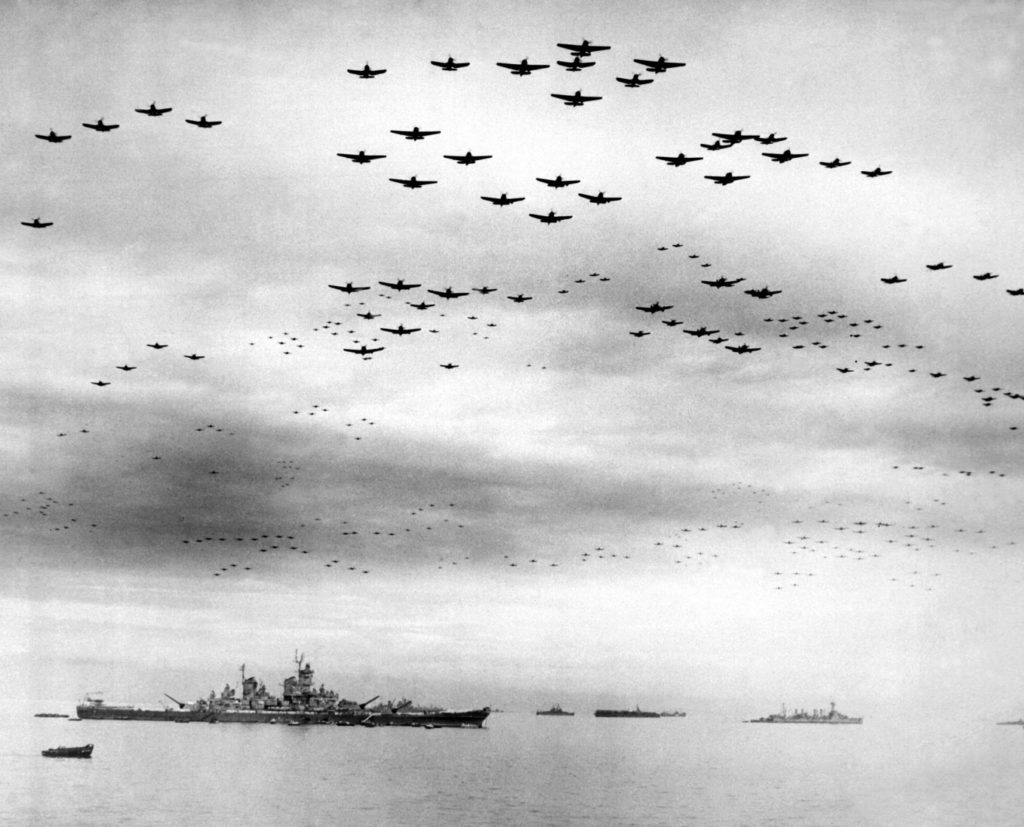
But here comes the interesting and notable part. When the Japanese finally DID deploy their battleships in squadrons (Leyte Gulf to the battle of Samar), they were duly attacked by swarms of American aircraft, HUNDREDS of American aircraft, equipped with 500 and 1000 lb bombs and torpedoes too. But only ONE of the Japanese battleships (‘Musashi’) was STOPPED by the aircraft, and only after receiving 19 torpedoes, and 17 heavy bomb hits over three continuous hours of air strikes before she was sunk! ANY of these kind of hits would have stopped, or even sunk most modern warships, and in the MEANTIME, the REST of the Japanese battleships and cruisers proceeded to their destination and point of attack. Yes, these ships were eventually driven off by hundreds more American planes, but no more battleships were lost in this quadrant, and they RETURNED to Japan for further use. Further South, a PAIR of Japanese battleships accompanied by heavy cruisers managed to escape the attentions of the American aircraft and proceeded down Surigao Straight by night, with the idea of attacking the American landing force from the rear. Unfortunately, they were met by… TWO SQUADRONS of American battleships, in a classic ‘line of battle,’ and after a number of broadside salvoes, BOTH Japanese battleships were SUNK, the cruisers were damaged and several destroyers likewise sunk. ‘See the difference?’
In a different scenario, that also involved waves of carrier aircraft flying against battleships, the example of the ‘Marianas Turkey shoot’ otherwise known as the ‘Battle of the Philippine Sea’ provides yet another example of the relative inability of aircraft against battleships. In this case, the American fleet was steaming North for the preliminaries of the invasion of the Philippines, and this brought the last big effort by the Japanese carrier forces to bear. However, while their primary targets were the big American carriers, in order to GET to them, they had to fly over an American battleship squadron and cruiser/destroyer task force in a ‘ring’ formation that stretched over tens of miles. As the waves of Japanese attack planes flew over, they were MOWN down by battleship anti-aircraft fire using ‘proximity fuses,’ and hundreds of Japanese planes were shot down before they ever arrived in the vicinity of the American carriers. Once again, battleships operating as a squadron at sea are a devastating force to contend with.
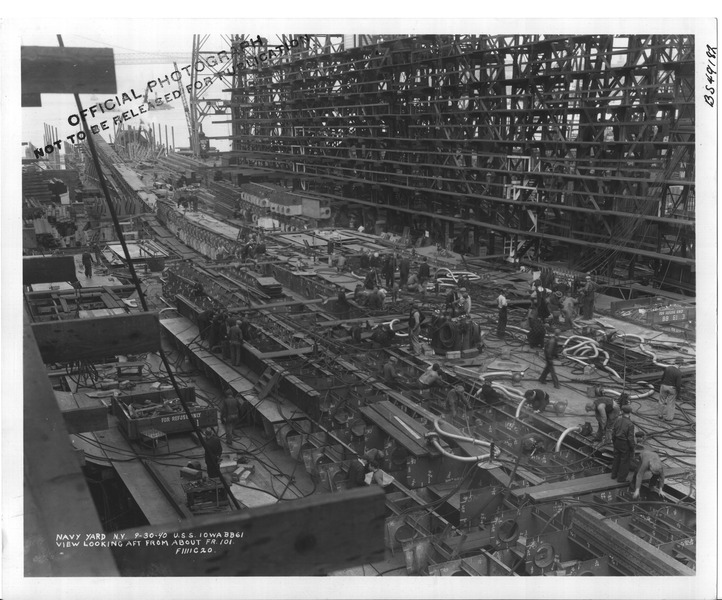
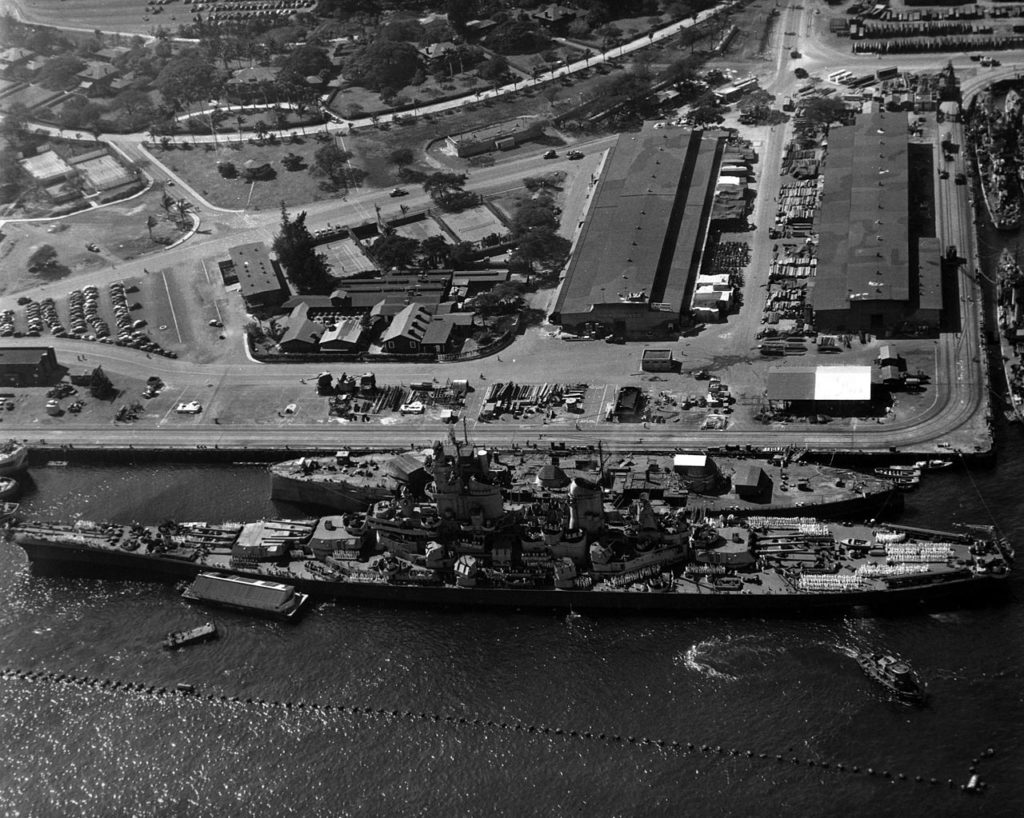
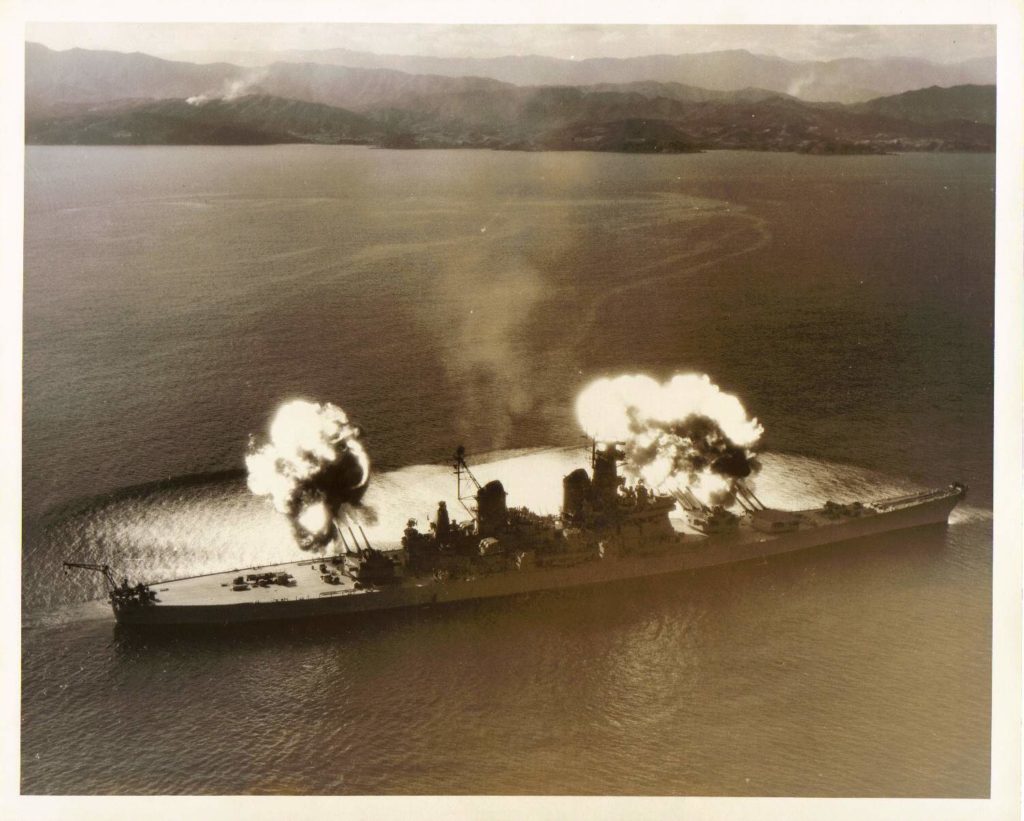
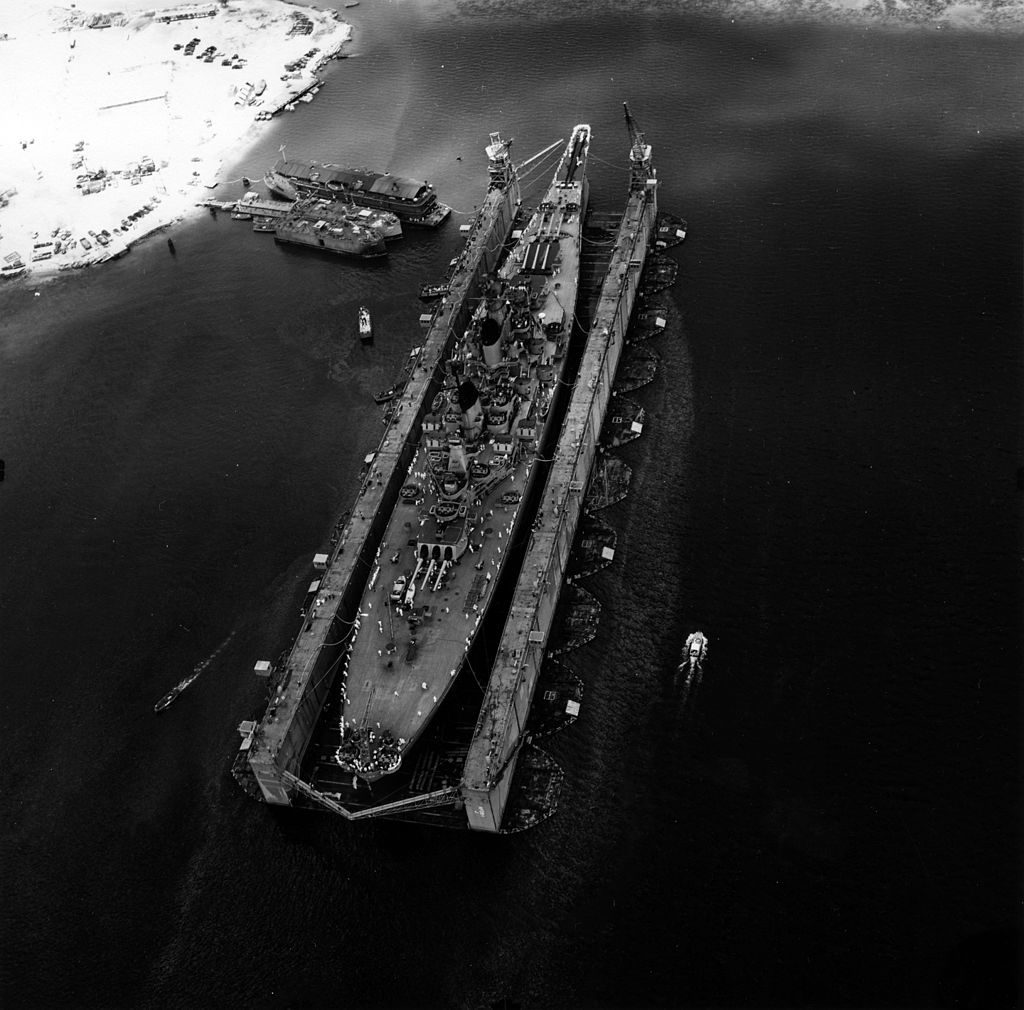
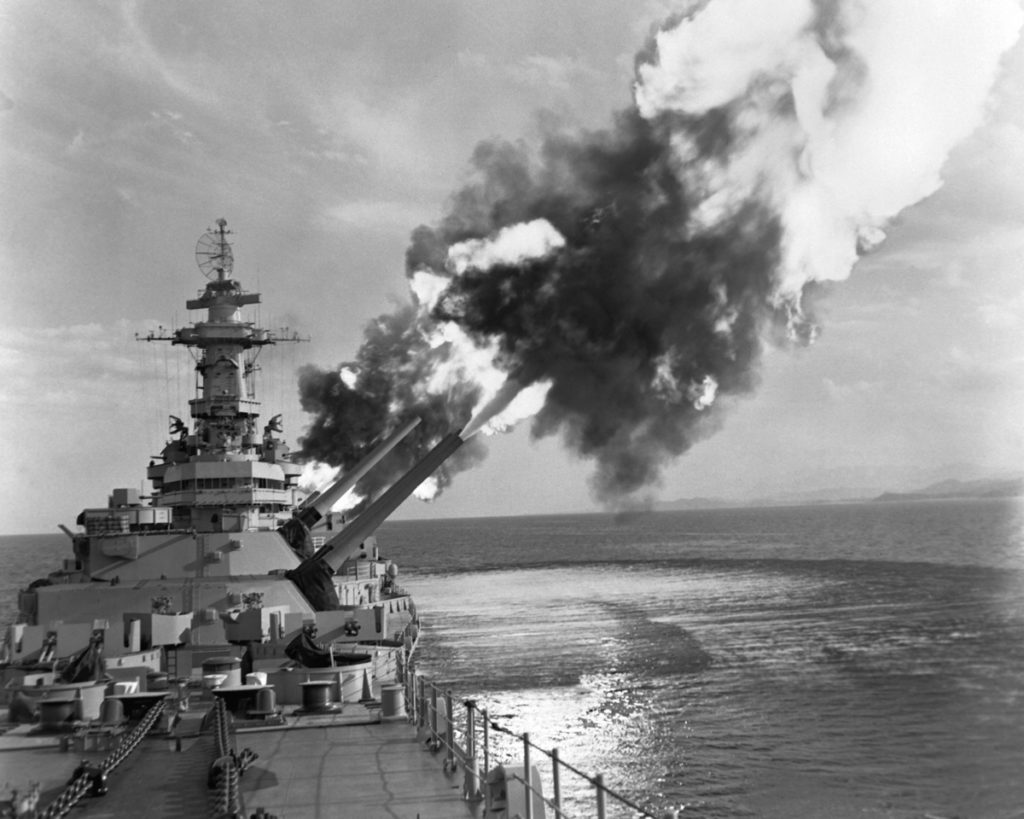
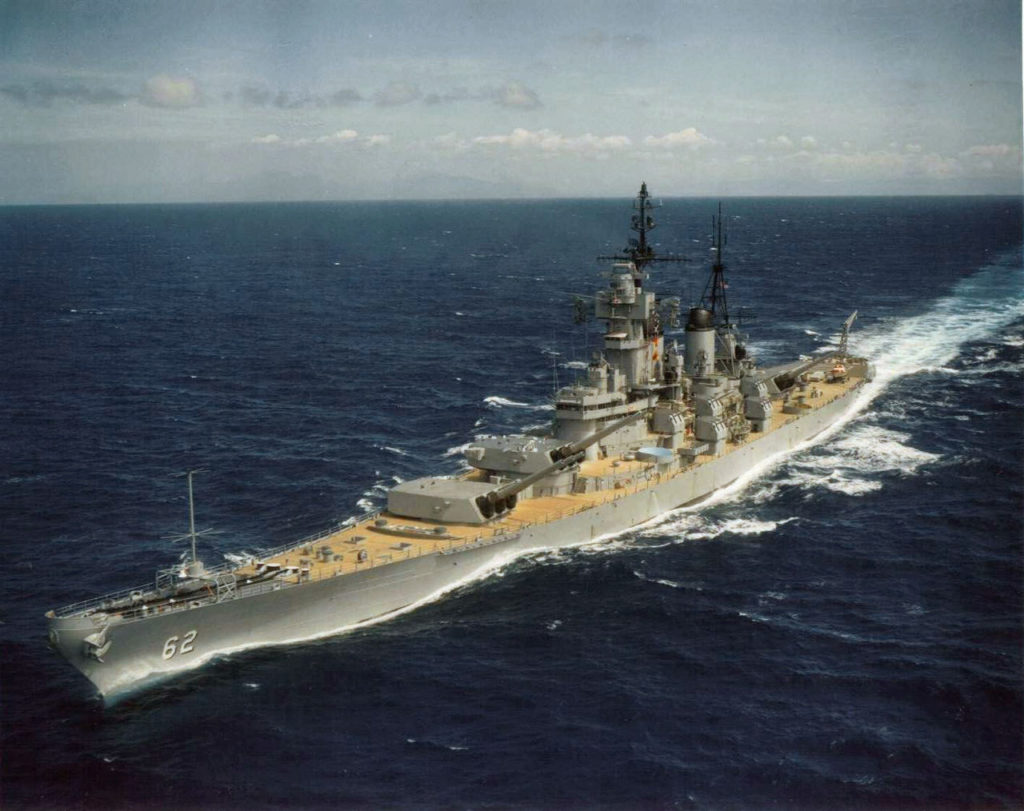
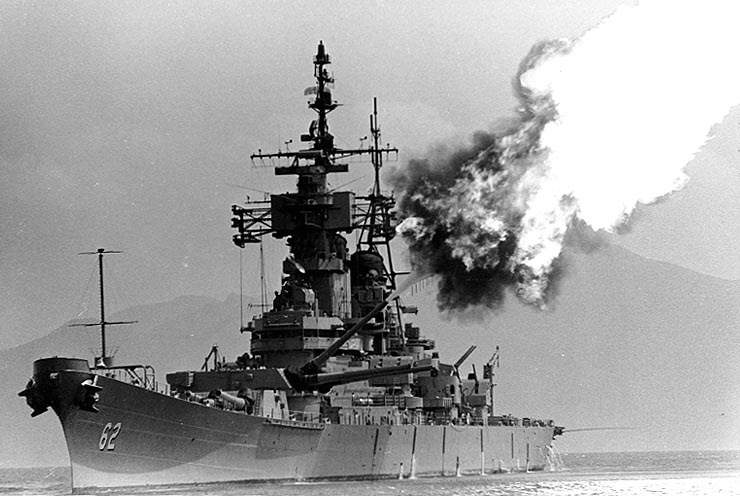
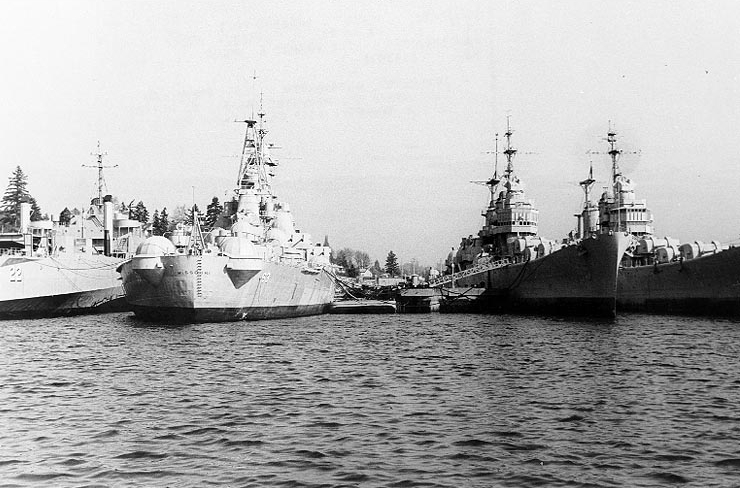
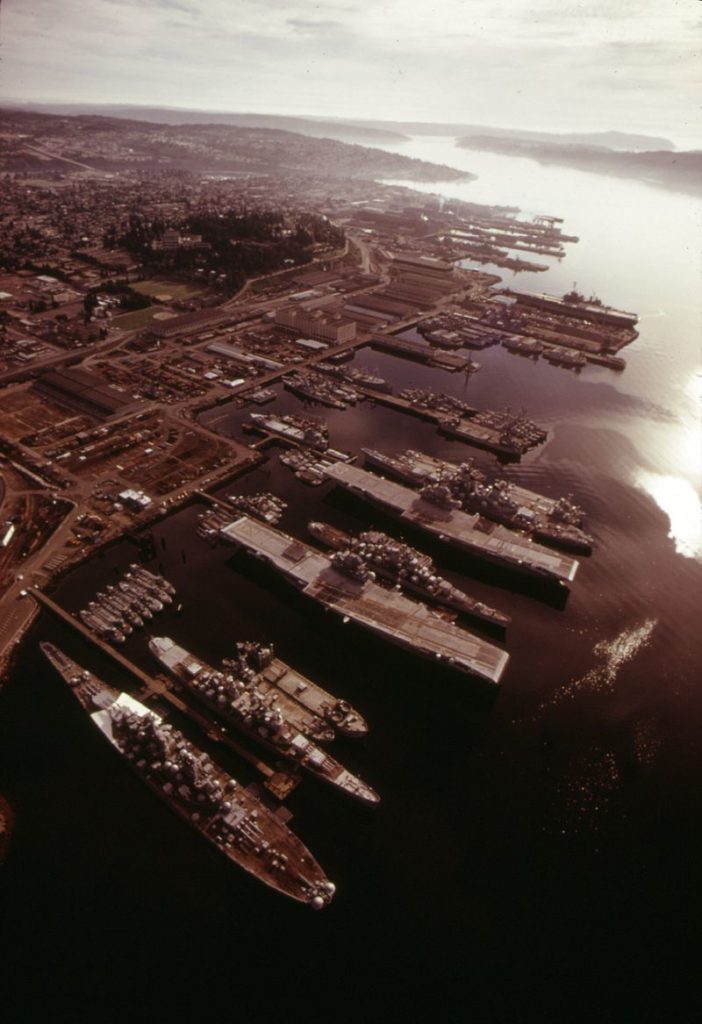
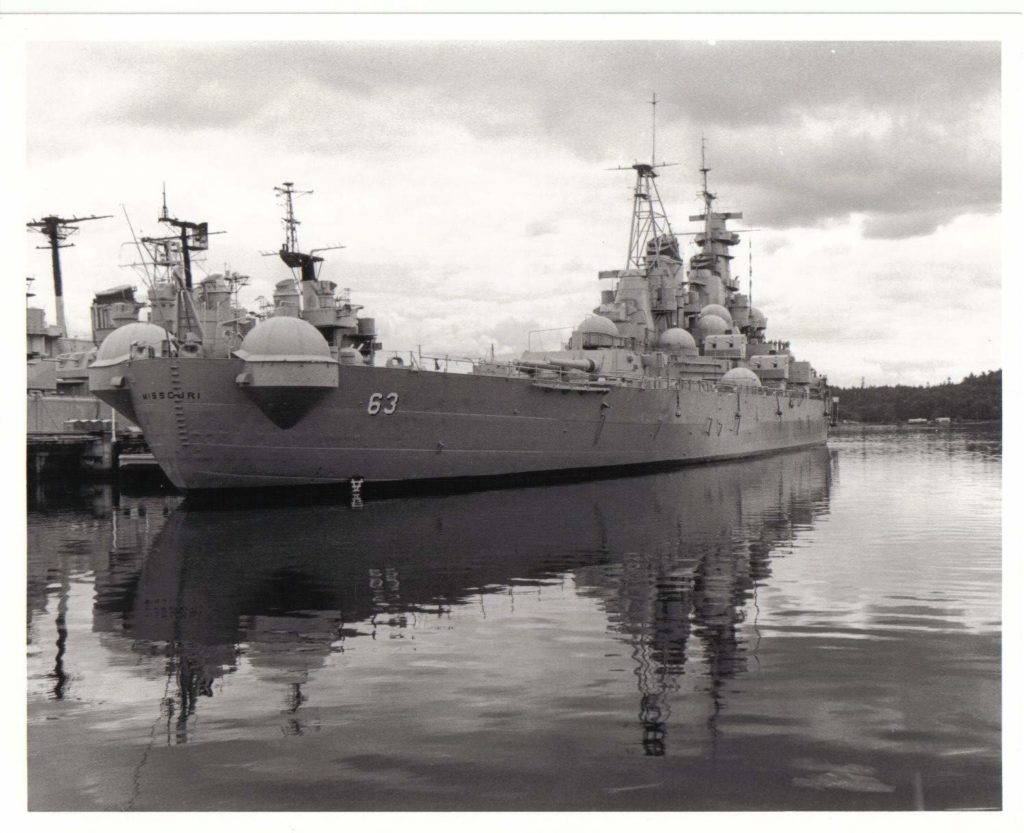
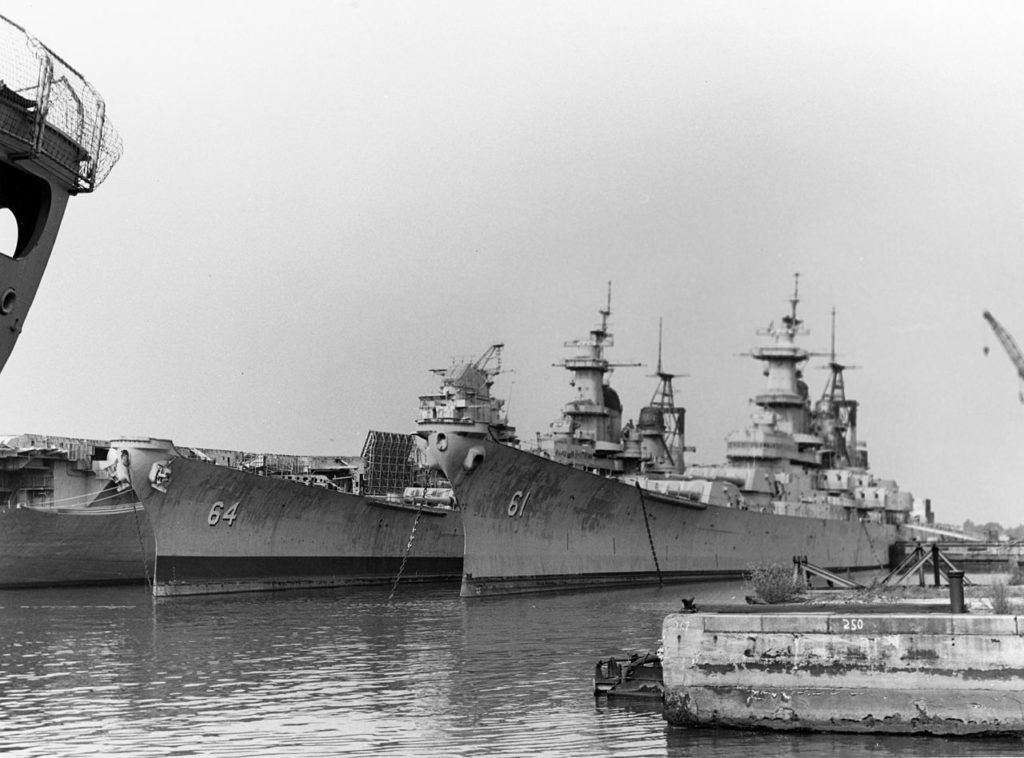
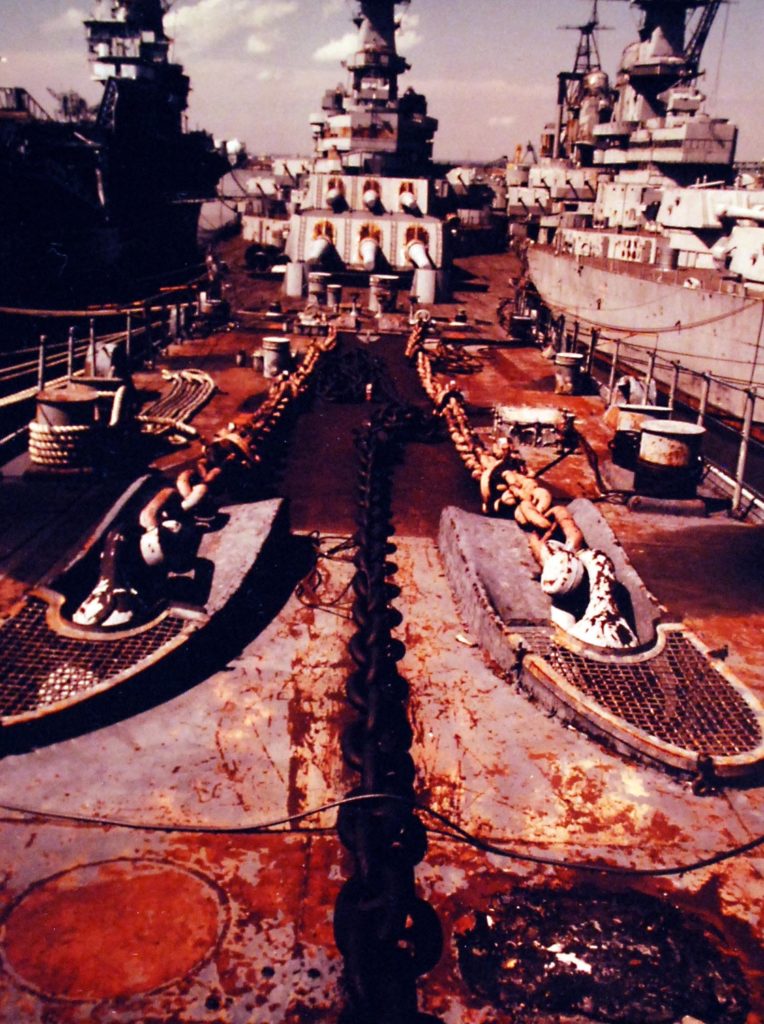
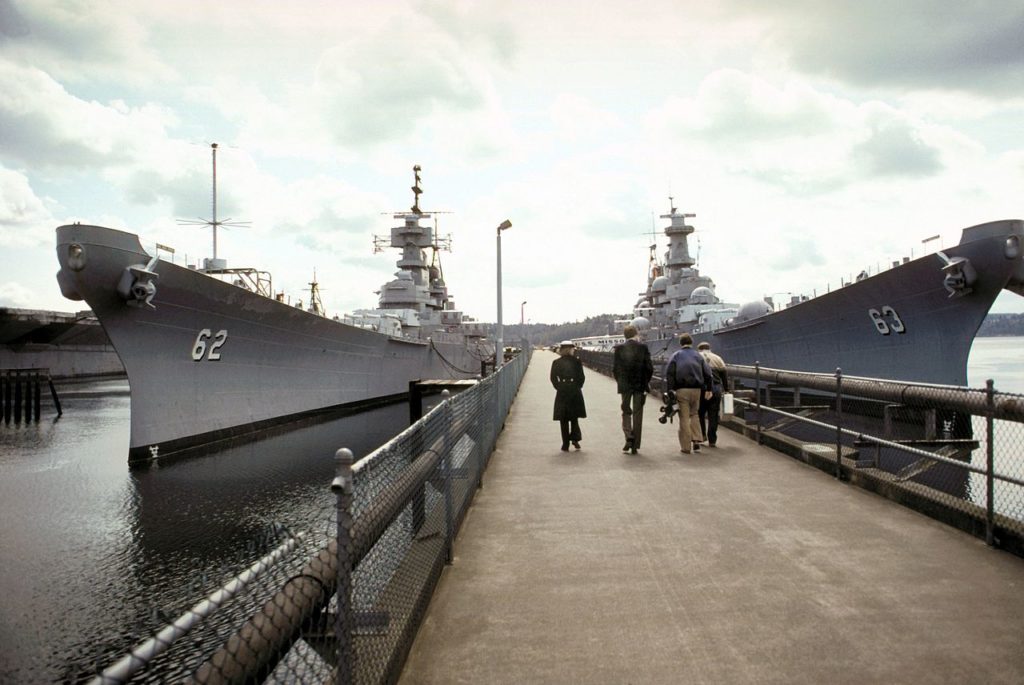
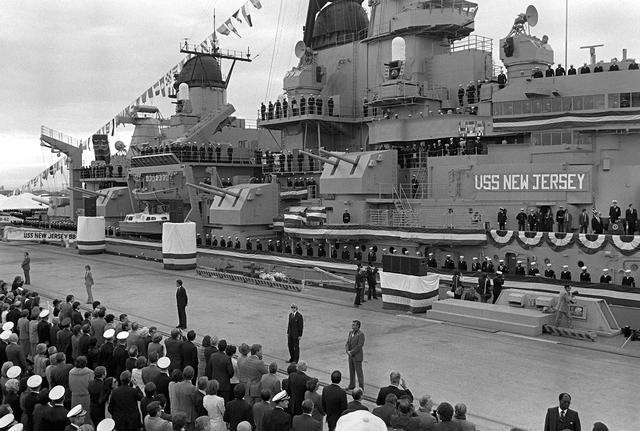
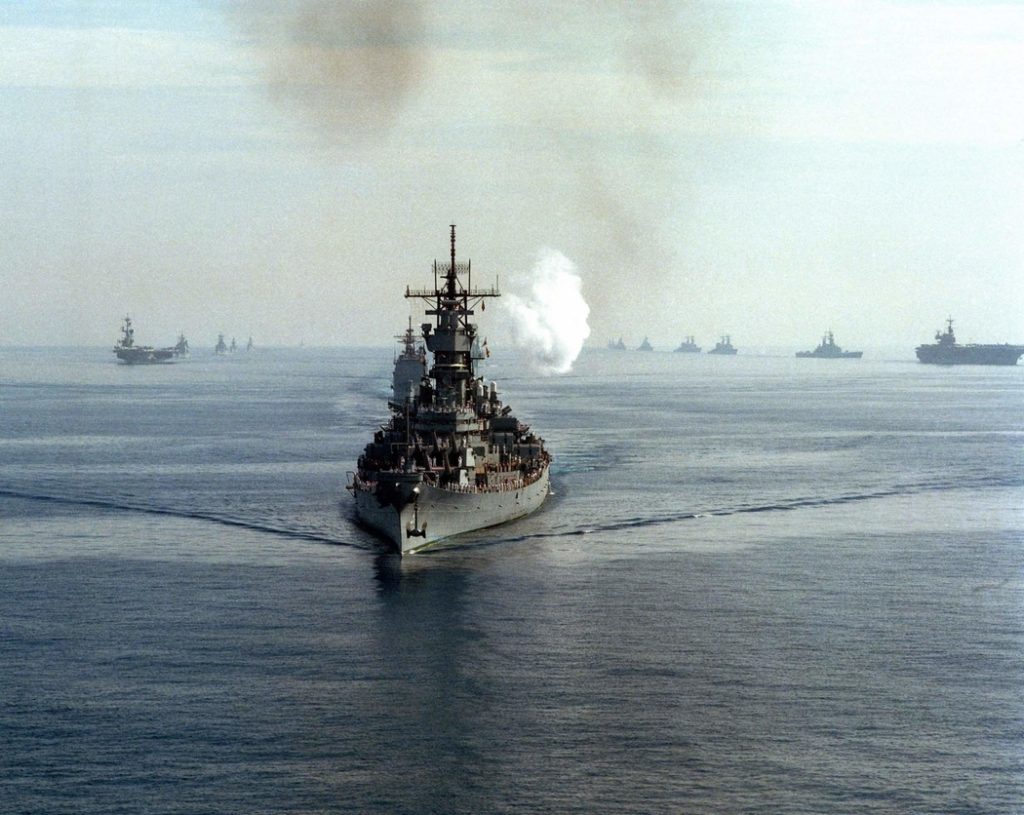
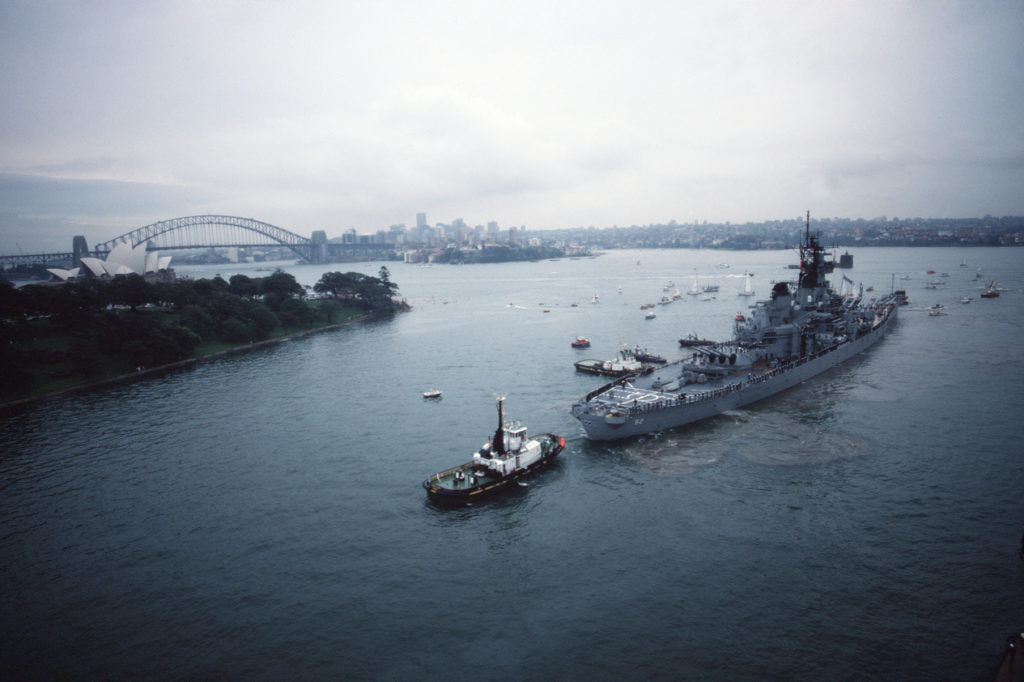
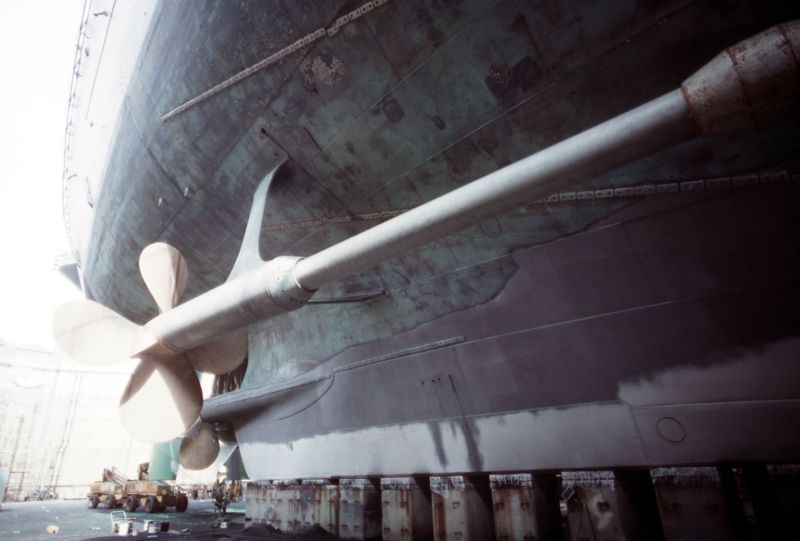
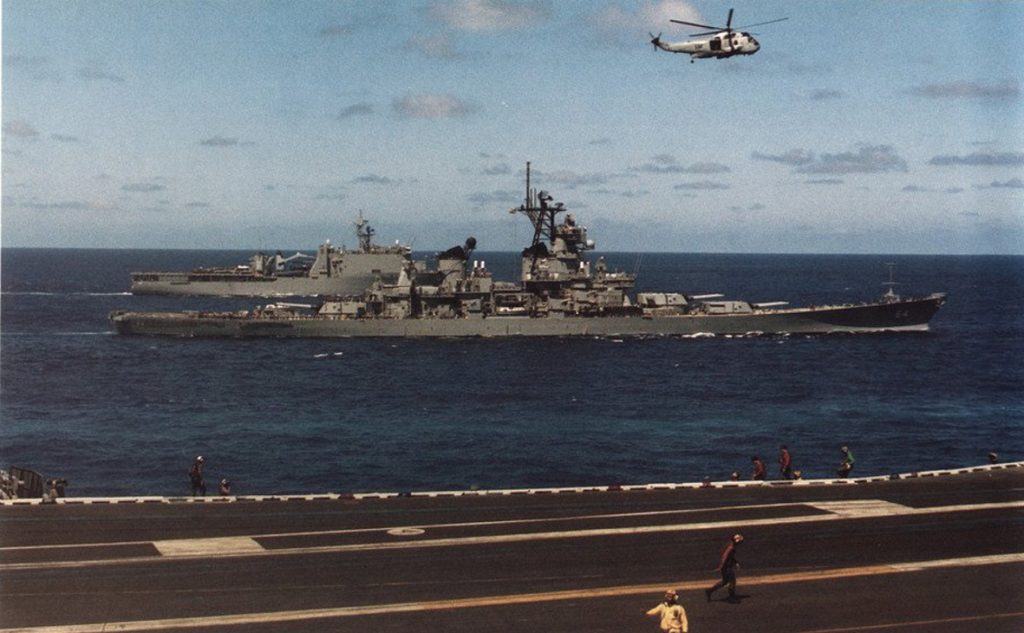
So what HAPPENED at the end of WW2? Why were no new battleships built, if they were such powerful warships? TWO things happened; the first being the atomic bomb, which was used in several tests against anchored fleets to see ‘what would happen,’ and the results were pretty devastating, even though many of the battleships so employed actually SURVIVED the tests. The second was the fact that, other than the United States and the UK, no one else HAD any battleships to speak of, let alone ‘squadrons.’ Britain finished ONE new battleship after the war (Vanguard), and the French had one, and finished another (Richelieu and Jean Bart), but their industries were largely destroyed by the war, and Britain’s economy was destroyed by the war, all heavy industry in Europe was destroyed by the war, and the Soviet Union was likewise devastated. At the same time, the US at this point now had 12 modern fast battleships, and a bunch of old ones (soon to be decommissioned), and an untouched industrial base and economy too. In other words, there was NO ONE ‘available’ to provide any naval competition, and with the Brits rapidly decommissioning and scrapping its battleships, soon to be followed by France, there was simply no CHALLENGE to the mighty American battlefleet. But battleships are expensive to maintain, and expensive to man, and as we already had an unrivalled fleet of aircraft carriers, there seemed to be no further USE for the battleships, and one by one they were put into mothballs, scrapped, or turned into ‘memorials.’ At the same time, the steel industries, now no longer needed to produce battleships, quickly scrapped the heavy and expensive equipment needed to build them, and by the mid-1960’s there was no longer the CAPABILITY to ‘build battleships,’ even if we wanted to. It is for this reason the last and most modern class of American battleship, the ‘New Jersey’ class, have REMAINED in operational condition, and in fact, they have been dragged out of mothballs and recommissioned several times since WW2, including Korea, Vietnam, and their last deployment was for the First Gulf War. That is not an ‘indication’ that battleships or the battleship concept is any way ‘obsolete,’ because regardless of whether a weapon delivery system consists of a heavy shell, or a bomb, torpedo or even missile, the fact STILL remains that these are ALL designed to deliver a large explosive against a warship, even if the delivery ‘method’ is different. In EVERY case, the battleship REMAINS ‘standing in the line’ if hit by ANY such, not just once or twice, but again and again, and that can NEVER be considered ‘obsolete.’

ANd here is the information from "Wiki" about the proposed "Trump Class Battleships"
Personally to me the Jury is out on that class of ship, as much as I would like to see one.