The Rise and Fall of Studio 54: A Cultural Icon of New York City Nightlife
Introduction
Studio 54 was a New York City nightclub that became one of the most iconic and infamous nightclubs in the world. It was opened in April 1977 by Steve Rubell and Ian Schrager, two young entrepreneurs who wanted to create the ultimate party destination in the city.
The Club that Defined an Era
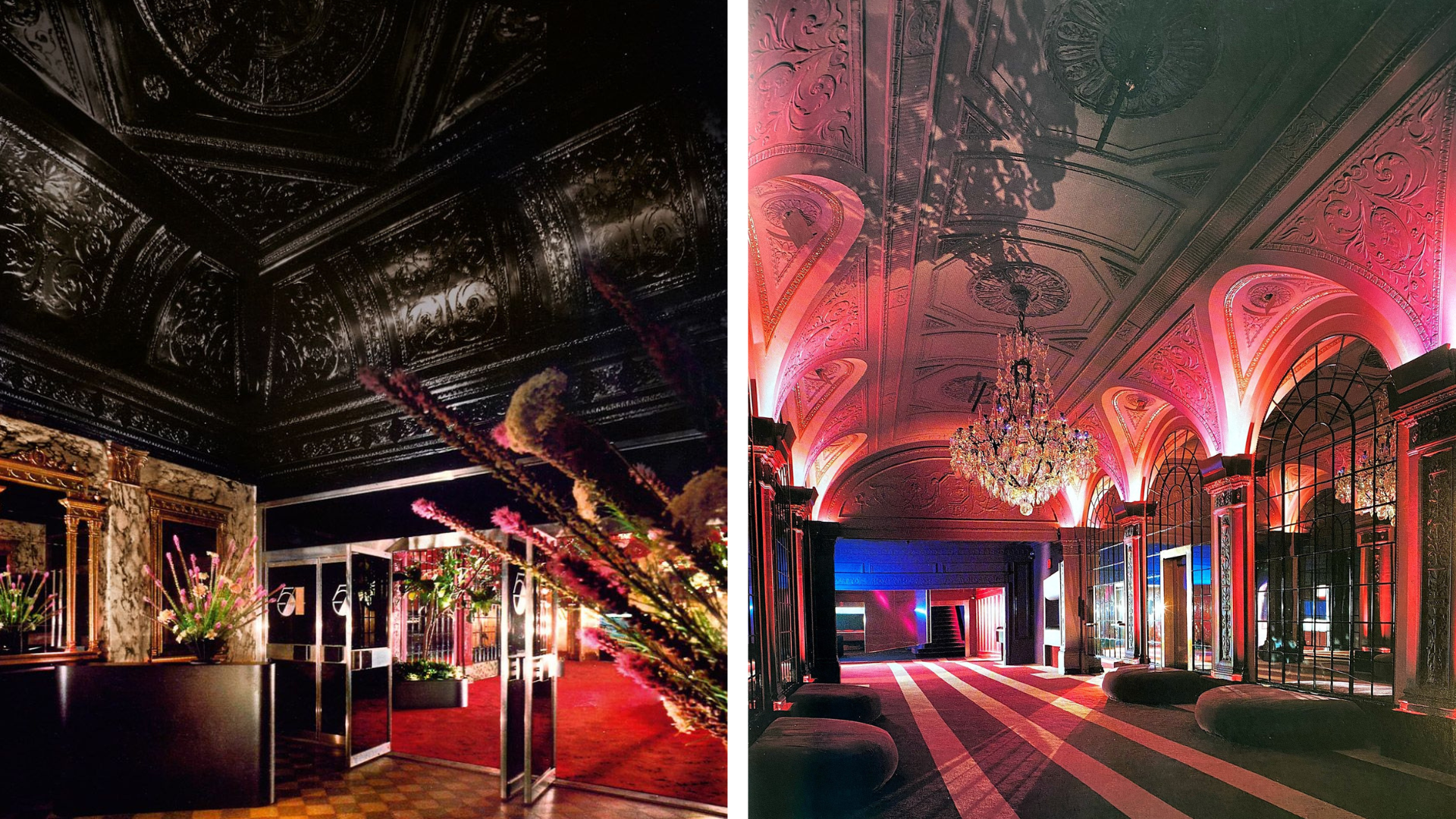
The club quickly became a cultural phenomenon and was known for its opulent and decadent interior design. The club's interior featured a giant disco ball, colorful lights, and a dance floor that could accommodate hundreds of dancers. The walls were covered in metallic silver and gold fabrics, and there were ornate sculptures and art installations throughout the club. The overall effect was a lavish, theatrical experience that became a symbol of the excesses of the era.
Studio 54 was also a celebrity magnet, attracting famous figures like Mick Jagger, Liza Minnelli, and Andy Warhol. The door policy was notoriously strict, and Rubell and Schrager were known for their discretion when it came to who was allowed inside. This exclusivity only added to the club's mystique and made it even more desirable. Despite the high cover charge and expensive drinks, Studio 54 was always packed with people who wanted to be a part of the scene.
The Downfall and Legacy of Studio 54
However, Studio 54's success was short-lived. In 1979, Rubell and Schrager were arrested and charged with tax evasion. They had been skimming cash from the club's profits and were eventually sentenced to prison. After their arrest, Studio 54's popularity began to wane, and it closed its doors for good in 1980.
Despite its brief existence, Studio 54 left an indelible mark on New York City's cultural landscape. Its influence can still be seen today in the city's vibrant nightlife and in popular culture. The club's legacy has been immortalized in films, books, and documentaries, and its iconic status as a symbol of the disco era will never be forgotten.
Where Are They Now: Steve Rubell and Ian Schrager
After their release from prison, Steve Rubell and Ian Schrager went on to have successful careers in the hotel industry. They opened the Morgans Hotel in New York City in 1984, which became a landmark in the boutique hotel industry. Schrager continued to build on this success, launching the luxury hotel brand Edition Hotels in 2007. Rubell, unfortunately, passed away in 1989 due to complications related to AIDS.
In Conclusion
Studio 54 was a cultural phenomenon that captured the spirit of the disco era in New York City. Its iconic status as a symbol of the excesses of the era has endured, and its influence can still be seen in the city's vibrant nightlife and popular culture today. Although the club's success was short-lived, it remains a cultural touchstone and a testament to the power of creativity and innovation in the entertainment industry.
We highly recommend the documentary: Studio 54


No comments:
Post a Comment
I had to change the comment format on this blog due to spammers, I will open it back up again in a bit.