Webster

The Constitution was made to guard the people against the dangers of good intentions." --American Statesman Daniel Webster (1782-1852)


Showing posts with label John Moses Browning. Show all posts

Tuesday, February 7, 2023

The M 1895 Machine Gun.


 I saw this article on "American Rifleman" and I have seen pictures of the machine gun before but
I didn't know that John M. Browning developed it before he did his other machine guns.  The article was really well done so I shamelessly "nicked" it for my blog.  


The late 19th century was a productive era in firearm design. The fertile mind of John Moses Browning was beginning to show its genius. In the autumn of 1890, in the big sky country of Ogden, Utah, one of John Browning’s early concepts took shape. The following is a letter to Colt’s Patent Firearms Company from Matthew S. Browning, dated Nov. 22, 1890:

Dear Sirs:

We have just completed our new automatic machine gun & thought we would write to you to see if you are interested in that kind of a gun. We have been at work on this gun for some time & have got it in good shape. We made a small one first which shot a 44 WCF charge at the rate of about 16 times per second & weight about 8#. The one we have just completed shoots the 45 Gov’t charge about 6 times per second & with the mount weighs about 40#. It is entirely automatic & can be made as cheaply as a common sporting rifle. If you are interested in this kind of gun we would be pleased to show you what it is & how it works as we are intending to take it down your way before long. Kindly let us hear from you in relation to it at once.

Yours Very Truly,
Browning Bros.
2461 Washington Avenue
Ogden, Utah
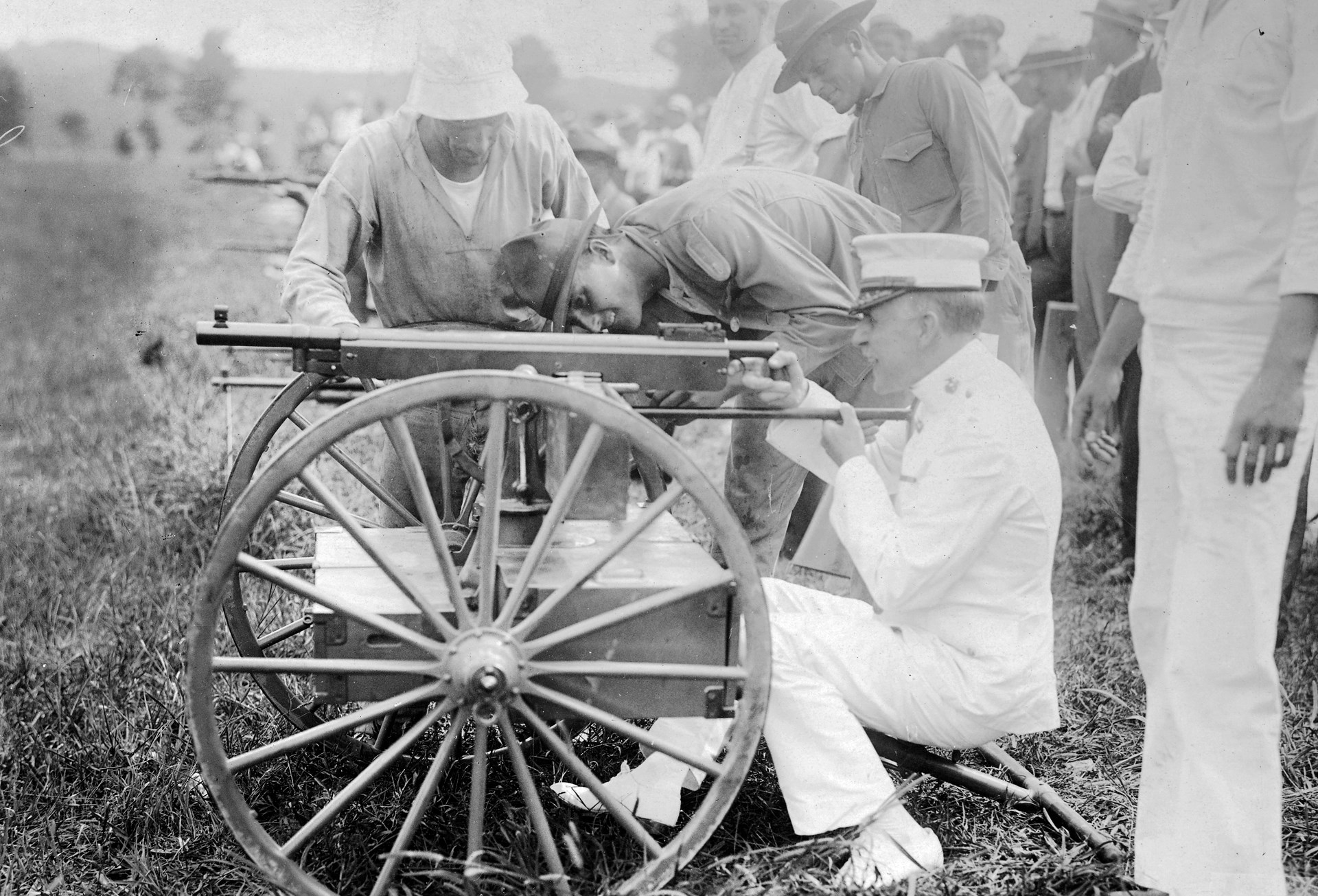
6)	General Barnett tests “Colt’s Automatic Gun” at the Winthrop, Md., range during 1917.

General Barnett tests “Colt’s Automatic Gun” at the Winthrop, Md., range during 1917. Library of Congress photo.

A Hot Potato Digger
Colt’s sales literature claimed that the hammer supposedly “pumped cool air” into the chamber. Regardless, the M1895 was widely noted to heat up quickly after only a medium-length burst—making it hazardous to leave a live round in the chamber. The chamber needed to be unloaded after almost any sizeable burst, unless the gun was going to remain in continuous action. The heavy barrel was supposed to provide adequate cooling for sustained firing but was ultimately not up to the task. Another drawback was that the M1895 could not be fired from the prone position, as the forward and backward swinging of the gas-actuated loading lever prevented this. The “Potato Digger’s” action demanded a tripod.
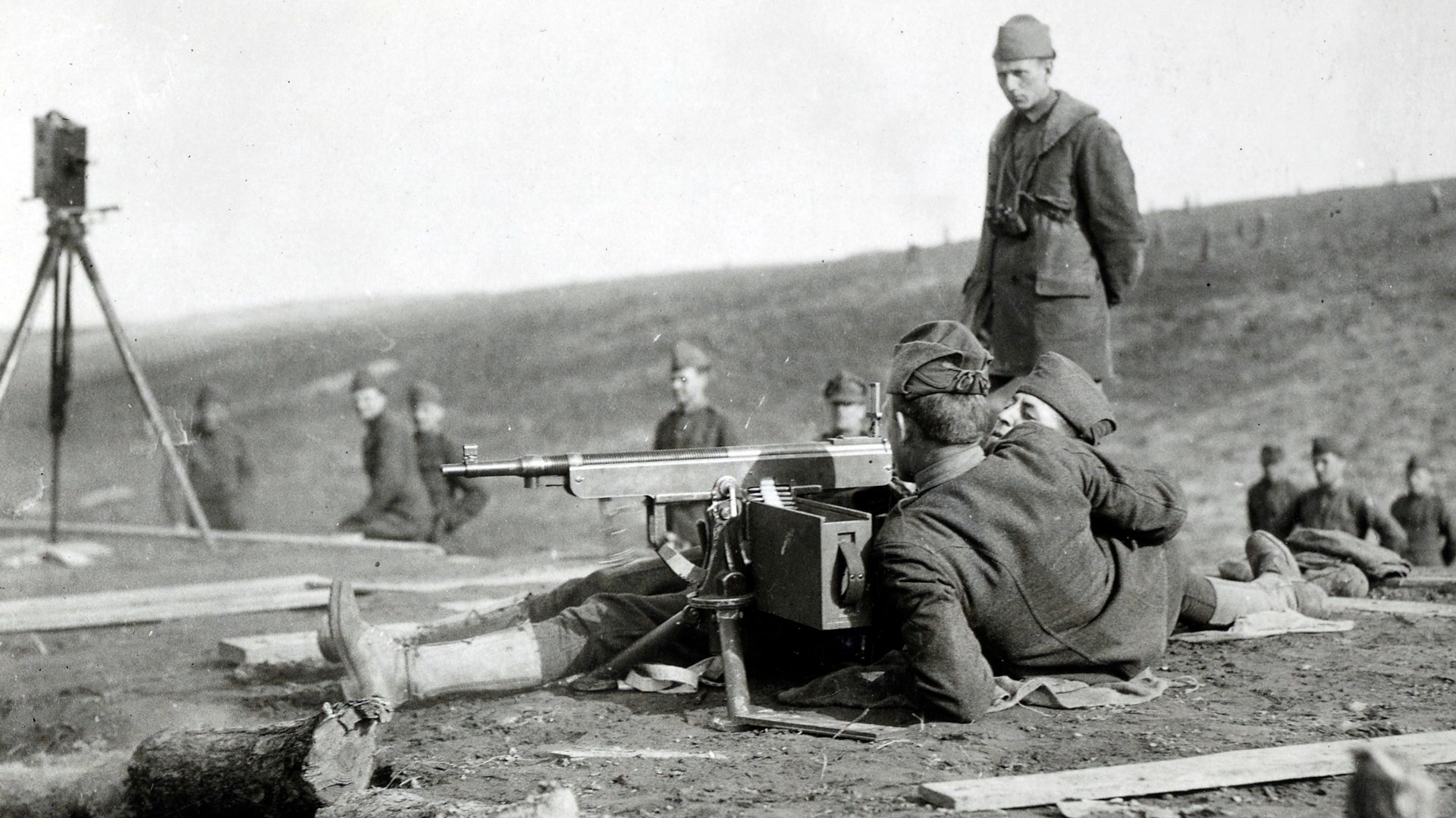
11)	Training the Doughboys: M1895 gunners train at Camp Upton, N.Y. on Long Island during early 1918.M1895 gunners train at Camp Upton, N.Y. on Long Island during early 1918. National Archives photograph.

U.S. Army Pushback
Not everyone was impressed with the new “automatic machine gun” designs that began to appear in the 1890s. There were, of course, those who saw the tremendous firepower potential in these new arms. Unfortunately for John Browning, and for Colt, the manufacturer of his automatic gun, the U.S. Army was quite pleased with its batteries of hand-cranked Gatling guns. Military interest in Browning’s new firearm was quite limited, with some considering it something of a newfangled “fad.” Meanwhile, the Browning gun found some interest from the U.S. Navy, and an order for about 200 examples, chambered in 6 mm Lee Navy followed. 

While the U.S. Navy embraced machine guns before the turn of the 20th century, the U.S. Army was still committed to the Gatling Gun and remained so for nearly another decade. The Army tested many early machine-gun designs, and the Colt gun was regularly in the mix. The Army Ordnance Board reviewed the firearm in June 1895 and wrote: The Colt automatic gun is an ingenious, compact, and relatively light arm. Its continuous automatic firing depends upon the action of the ammunition used. It is easily pointed by hand, and its fire is completely under the operator’s control. Its rapidity of fire during the tests was about 100 rounds in 17 seconds.”
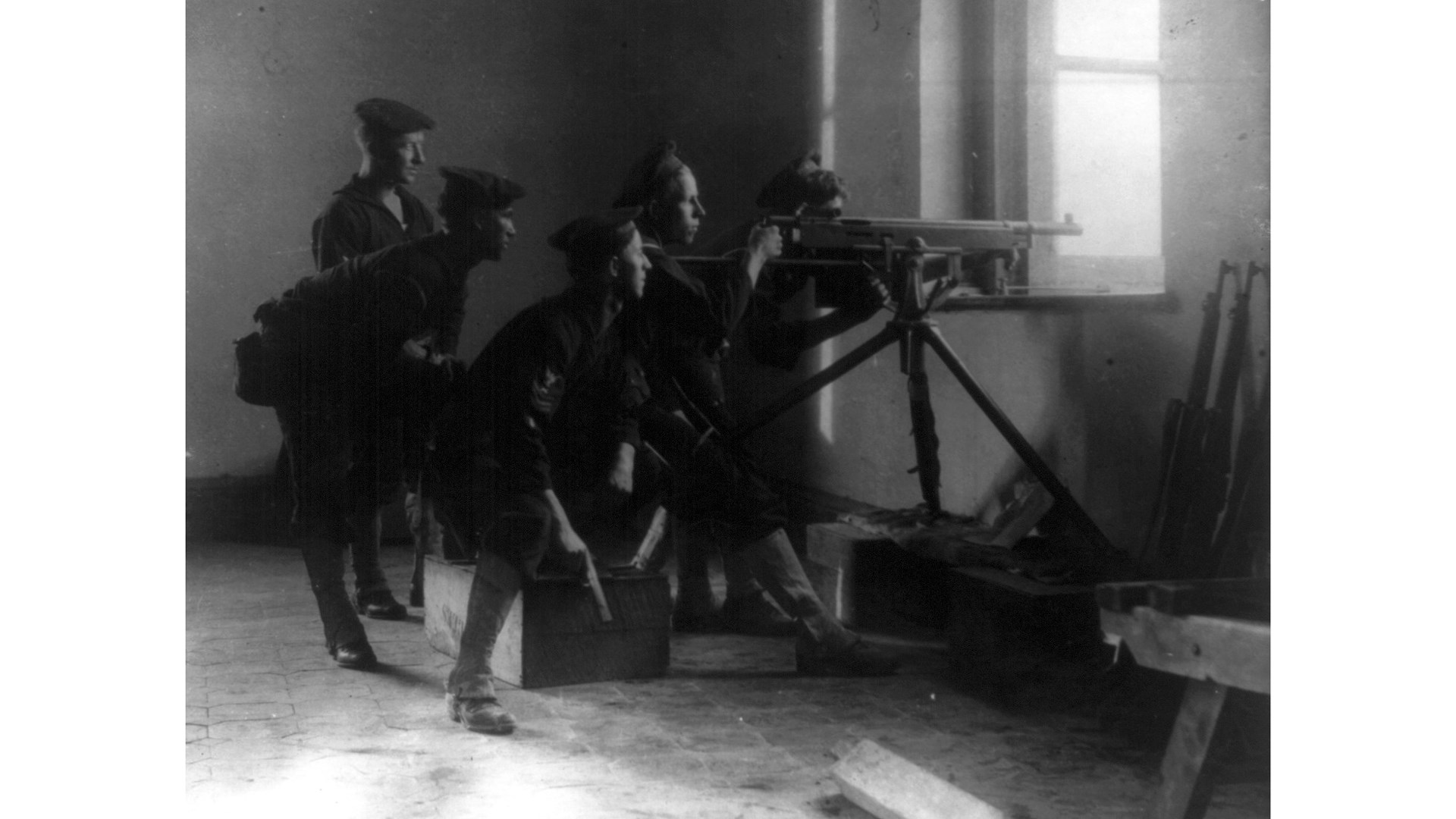
U.S. Navy Bluejackets ashore manning a M1895 (6 mm Lee Navy) during the occupation of Veracruz, Mexico during April 1914.

U.S. Navy Bluejackets ashore manning a M1895 (6 mm Lee Navy) during the occupation of Veracruz, Mexico during April 1914. National Archives photograph.

However, the board concluded: “The board is of the opinion that in its present form, as shown by the tests made this arm is not suitable for ordinary service and has no place in the land armament.”

Born In Navy Service
While the Navy first used the Colt machine gun in combat in Cuba during 1898, it was the Army that gave the M1895 machine gun its designation. Even so, there is no record that the Colt-Browning gun was never officially adopted by the U.S. Army. Two Colt M1895 guns (in 7x57 mm Mauser) were privately purchased by Lt. Col. Roosevelt’s “Rough Riders,” a volunteer cavalry regiment. Roosevelt was not impressed, calling the Colt machine guns “delicate and readily out of order.” Navy Colt MGs received good marks during their use in Cuba during 1898, and later in the Philippines. They proved their worth yet again during the Marine Corps’ defense of the International Legation compound in Peking during the Boxer Rebellion of 1900. South of the border, Colt MGs in 7 mm Mauser were used in the Mexican Revolution, and the U.S. Navy’s Colt guns were brought ashore for the occupation of Veracruz in April 1914.
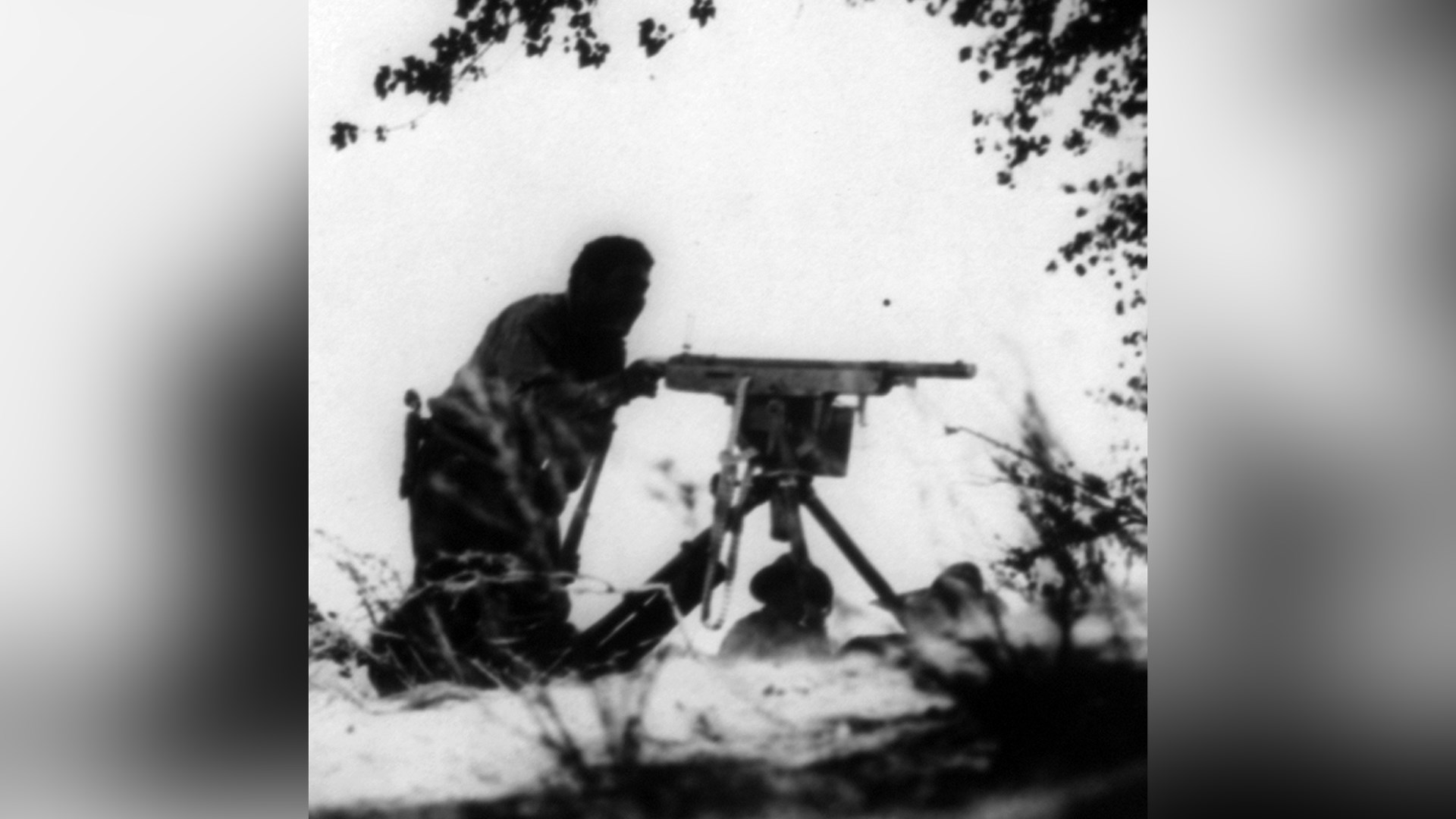
M1895 machine gun used by Mexican revolutionaries. Pancho Villa’s “Division of the North” is thought to have acquired at least two of these guns.M1895 machine gun used by Mexican revolutionaries. Pancho Villa’s “Division of the North” is thought to have acquired at least two of these guns.

Canadian troops successfully used Colt machine guns (chambered in .303 British) during the Second Boer War during 1900. The Canadians retained their M1895s through the early days of World War I, using them in combat until they acquired Vickers machine guns. 

The first 200 U.S. Navy guns (called the Mark I), originally acquired in 6 mm Lee Navy, were ultimately rechambered in the newly unified Army-Navy .30-40 Krag (renamed the Mark I Modification I). When the official U.S. service ammunition was changed to the .30-’06 Sprg., the Navy once again rechambered their Colt machine guns but strangely retained the Mark I Mod I nomenclature. 
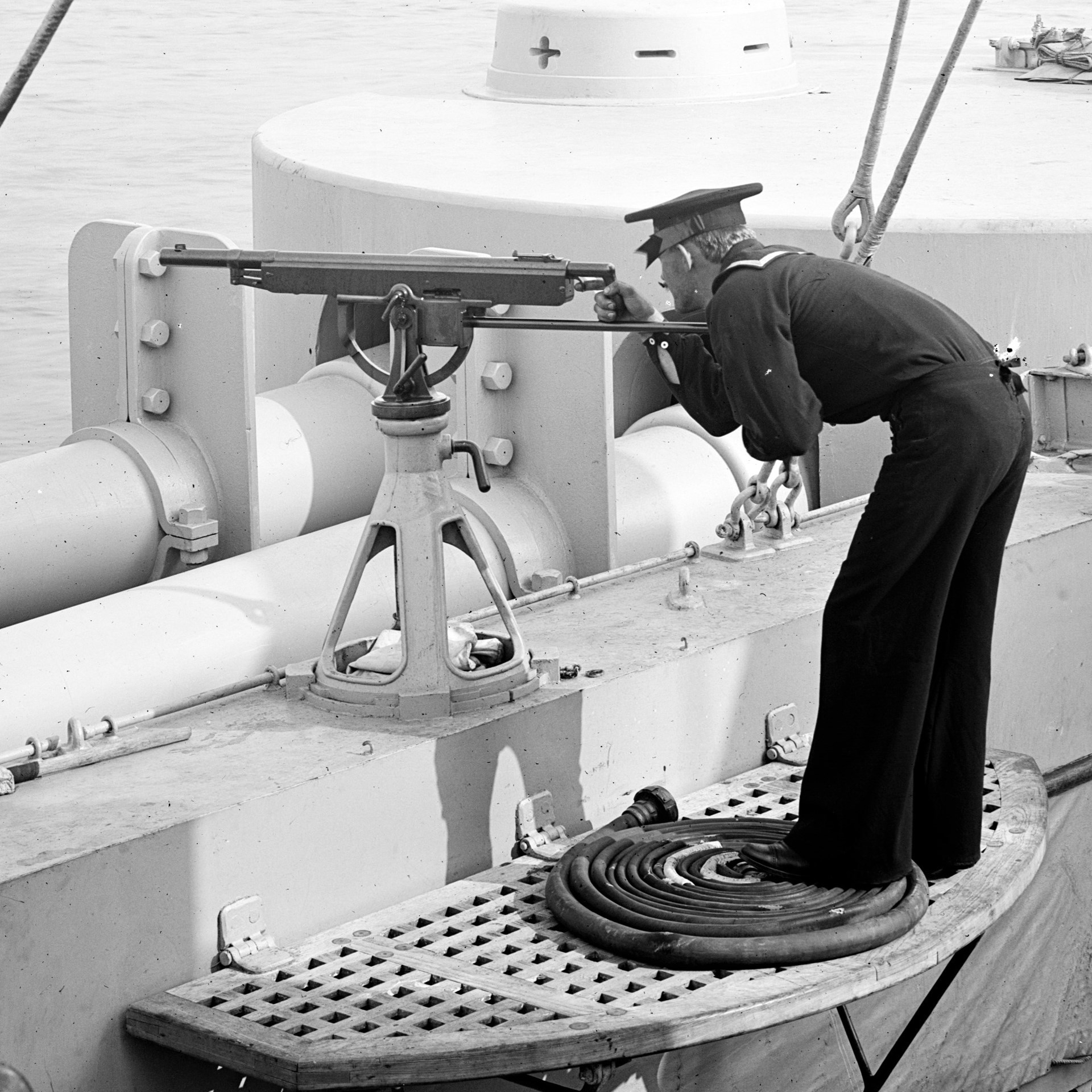
1)	an M1895 pedestal-mounted aboard the pre-dreadnought battleship U.S.S. Iowa (BB-4), launched in March 1896. Four M1895 machine guns were listed as part of the ship’s armament. Library of CongressAn M1895 pedestal-mounted aboard the pre-dreadnought battleship U.S.S. Iowa (BB-4), launched in March 1896. Four M1895 machine guns were listed as part of the ship’s armament. Library of Congress photo.

Almost The Final Straw
The U.S. Army continued to look at machine gun designs, but with an increasingly critical eye. The 1904 Report of the U.S. Chief of Ordnance describes the in-depth and rigorous testing of the M1895 machine gun versus the Maxim-Vickers machine gun. The following comments come from the “Test of automatic machine guns:”

During marching tests several of the ammunition boxes provided with the Colt gun came apart or broke. They are entirely too fragile to withstand service conditions. During the marching tests many cartridges worked loose, and a number worked out of the belts provided with the Colt gun, showing conclusively their unsuitability for service.

The two guns appear to be equally accurate at 500 and 1000 yards. The mount of the Colt was less stable, requiring more frequent adjustments of aim. The endurance of the Vickers gun, when its jacket is kept filled with water, is greatly superior to that of the Colt. The time required to insert a belt in either of these guns and to load it is about 10 seconds.

The radiation of heat from the Colt barrel seriously interferes with sighting after a few hundred rounds are fired from it. After 500 to 1000 rounds are fired continuously from the Colt gun, the heat remaining in the barrel is sufficient to ignite a cartridge in the chamber. The gas lever handle on the Colt gun also becomes so heated as to burn the hands, and as this lever must be operated to insert each belt, this is a serious defect. After firing about 500 rounds the Colt gun becomes so hot that it can only be handled with great difficulty.

After the 1904 tests, and the overall negative opinion of the firearm by the board, it appeared that the Colt M1895 had reached a dead end with the U.S. Army.
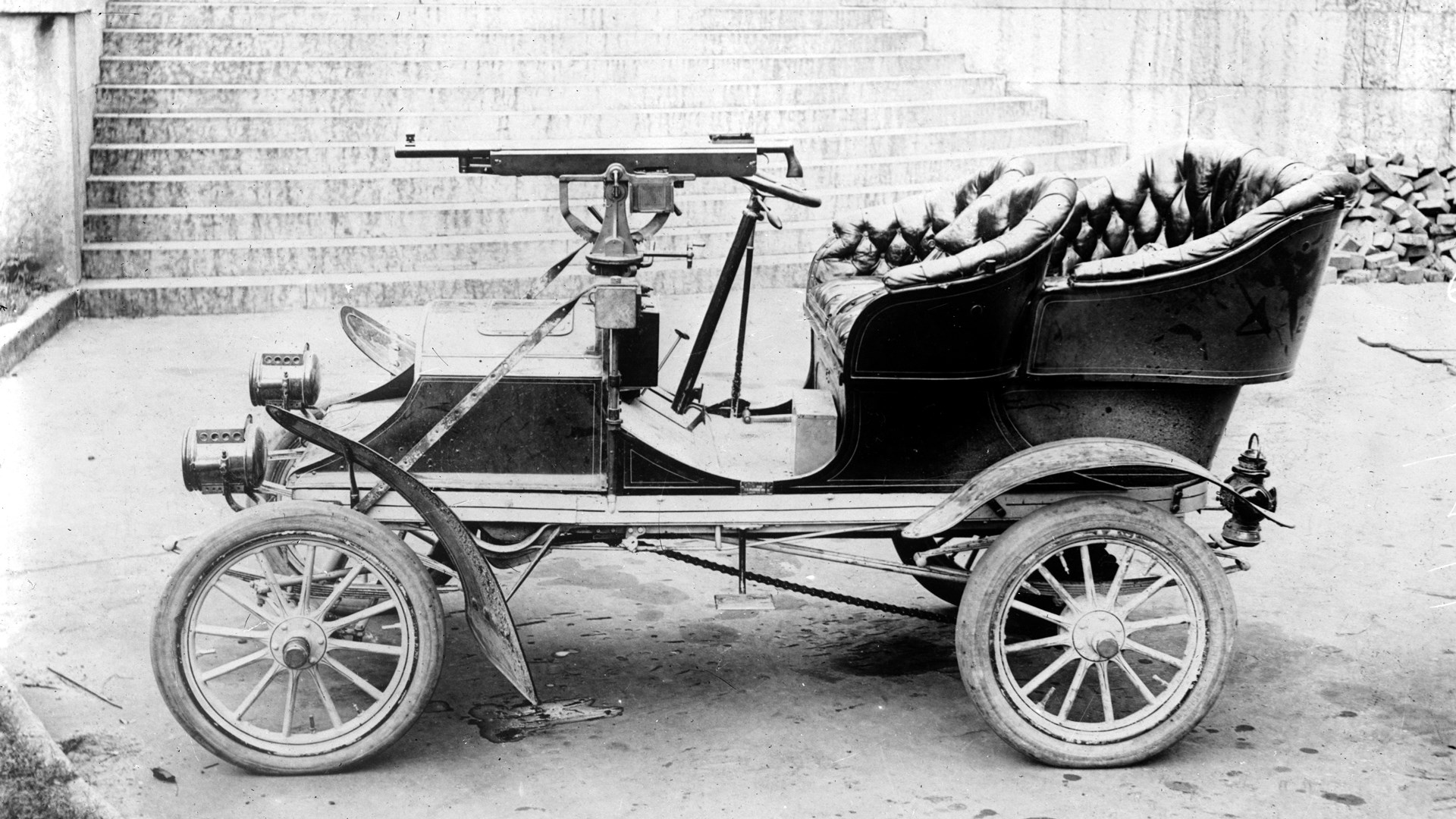
3)	Apparently “road rage” is not a modern concept. This M1895 is seen mounted aboard a Model T Ford. Library of Congress photoApparently “road rage” is not a modern concept. This M1895 is seen mounted aboard a Model T Ford. Library of Congress photograph.

Resurrection In The Great War
As World War I began in August 1914, some of the European powers found themselves in need of machine guns. The Russian Empire purchased nearly 15,000 (chambered in 7.62x54 mm R), first from Colt, then from Marlin-Rockwell, which purchased the manufacturing rights and the factory machinery in 1916.       

The Italians purchased M1895s (chambered in 6.5x52 mm Mannlicher-Carcano) and used them in combat against the Austro-Hungarian Empire. The Belgian Army inherited the Canadians’ Colt guns (.303 British) and purchased new guns chambered for 7 mm Mauser.
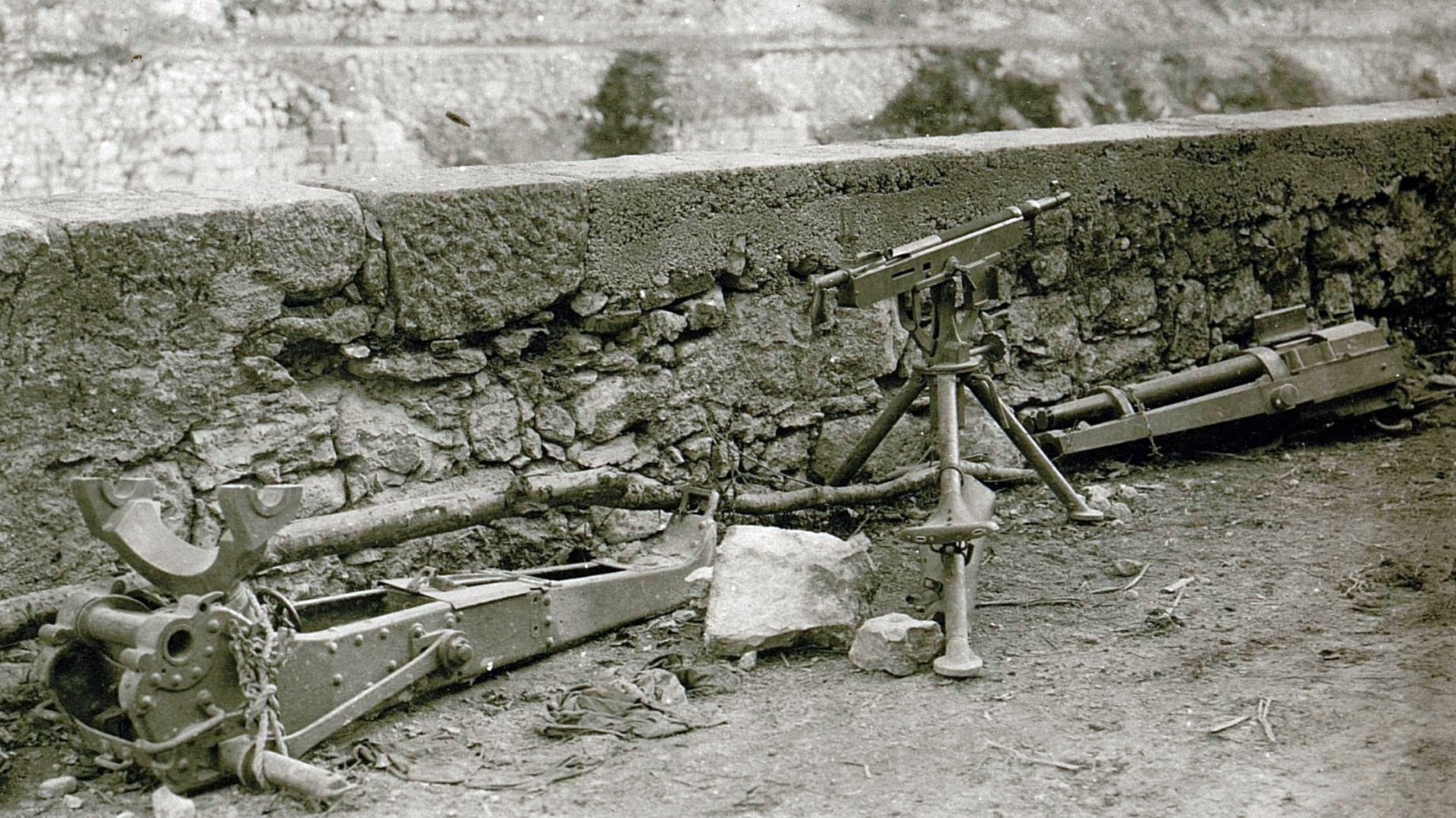
3)	Italian M1895 machine gun captured by the Austrians during World War I.Italian M1895 machine gun captured by the Austrians during World War I. Photograph from author’s collection.

In America, the M1895 was already considered obsolete, but U.S. forces had so few machine guns that 1,500 additional M1895s were built for the Army. These proved useful in training America’s fledgling army in several roles, ranging from infantry units to aerial gunners. Some were mounted aboard U.S. Navy “sub-chasers” protecting Allied convoys from U-boats. Beginning in 1917, Marlin-Rockwell redesigned the M1895, replacing the “potato-digger” arm with a linear gas piston to produce the Marlin Aircraft Model 1918. The Marlin Aircraft machine gun was a synchronized firearm that was mounted on a few U.S. Air Service pursuit and recon aircraft in the fall of 1918. Pilots praised it for its reliability and high rate of fire—ultimately the U.S. Air Service judged it to be the equal of the Vickers aircraft gun. After WWI, the Marlin gun was also mounted in the first American-made tank, the M1917 (the US version of the French FT-17).
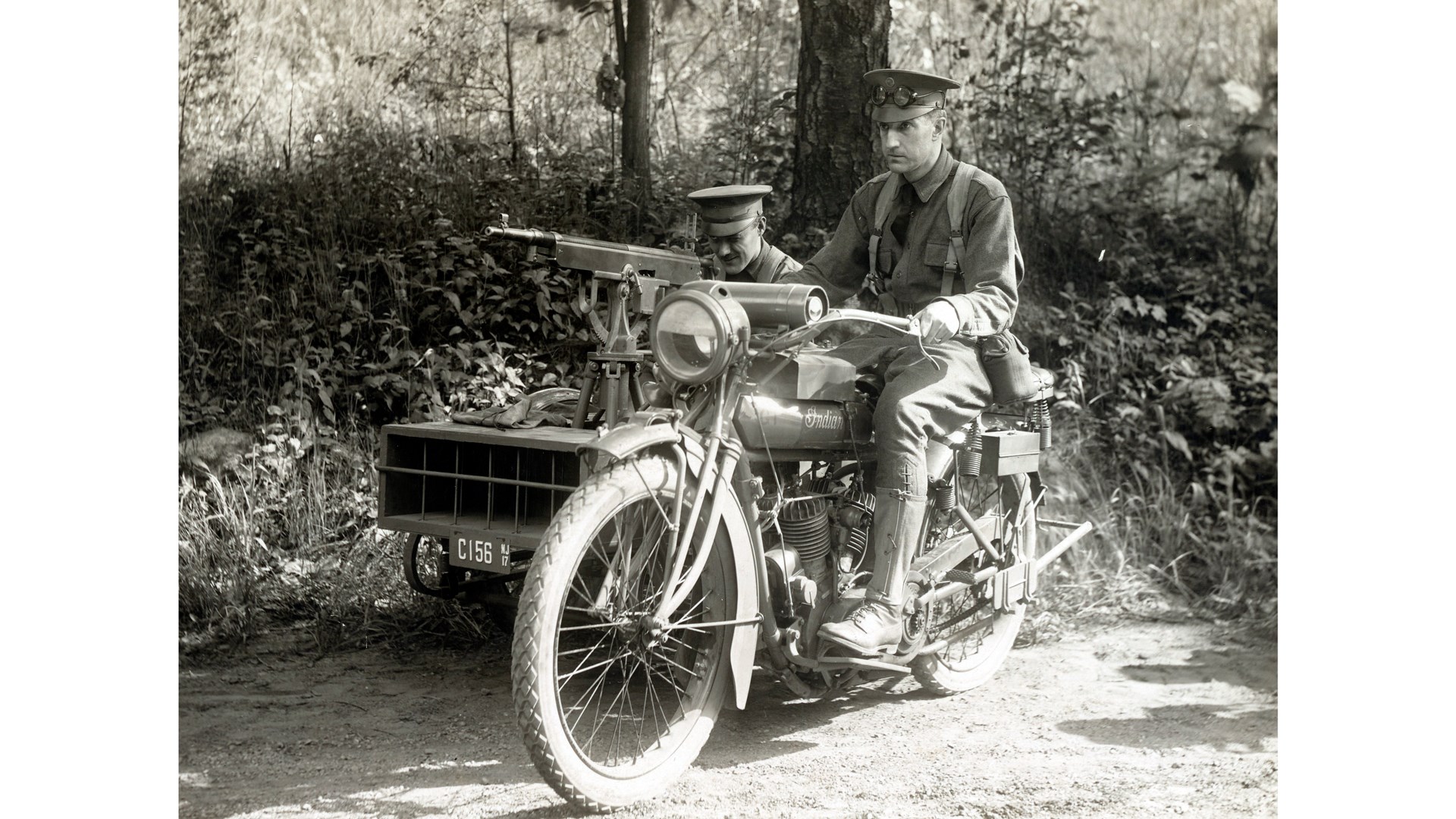
A firearm for a new century of mobile firepower: The M1895 machine gun was often mounted on early motorcycle/sidecar combinations. This is the New Jersey Mobile Battery during 1917. NARAA firearm for a new century of mobile firepower: The M1895 machine gun was often mounted on early motorcycle/sidecar combinations. This is the New Jersey Mobile Battery during 1917. National Archives photograph.

Soldiering On
Even though World War I was ostensibly ended by the November 1918 armistice, the fighting only intensified throughout Eastern Europe. The many M1895s purchased by the Russian Empire, continued their deadly work in the hands of Red and White forces in the Russian Civil War. Once the communists had seized control of Russia, the M1895 continued to fire shots in anger and saw action on both sides in the Ukrainian War of Independence (1917-1921) and the Soviet-Polish War (1919-1921), as well as the Finnish Civil War (1918), the Estonian War of Independence (1918-1920) and the Latvian War of Independence (1918-1920). 
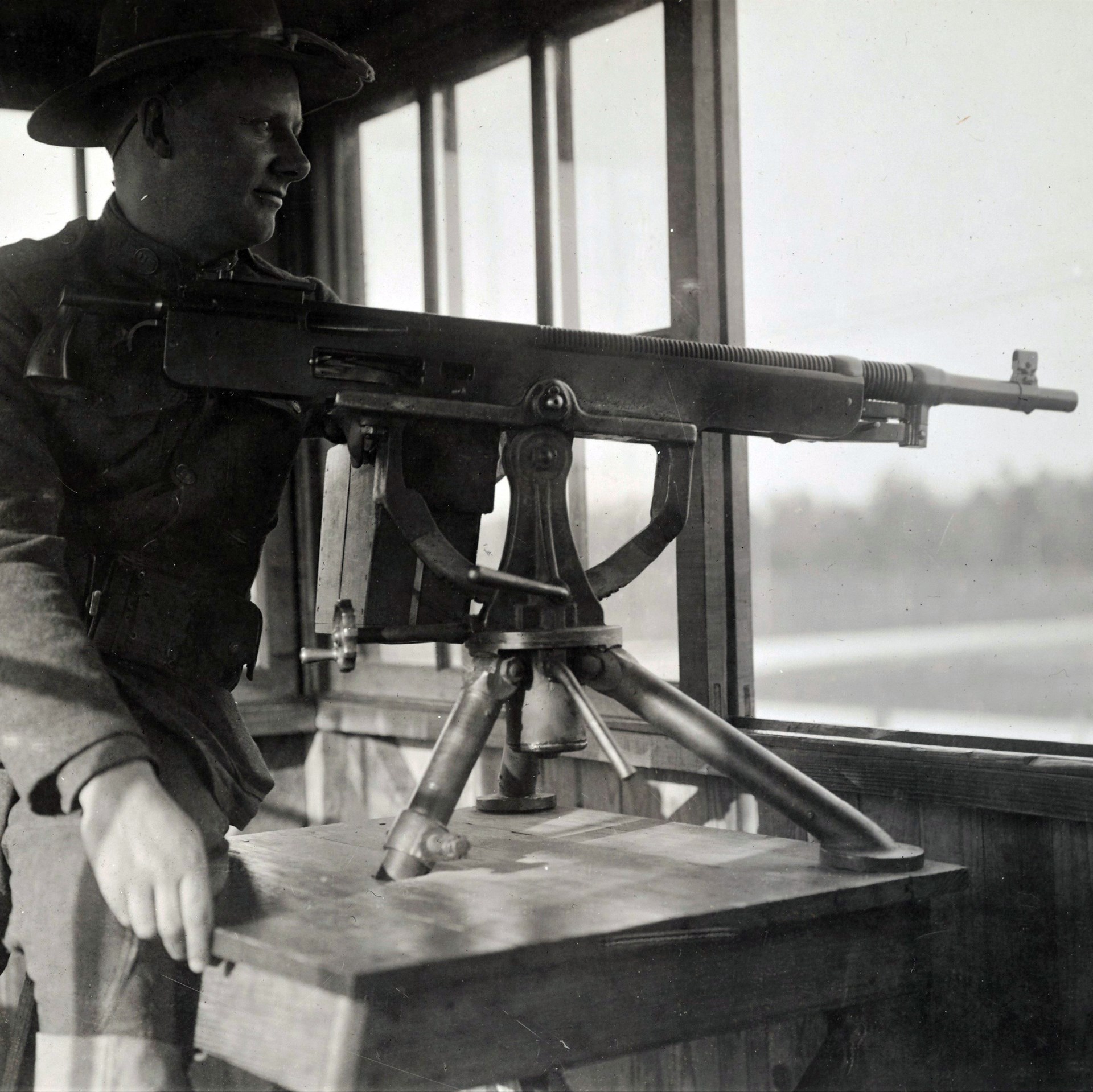
On guard at Fort Oglethorpe Prison, Ga., early 1919.  NARAOn guard at Fort Oglethorpe Prison, Ga., early 1919. National Archives photograph.

Back in the U.S., the M1895s appeared in the second largest armed insurrection in American history, firing shots in the West Virginia “Coal Mine War” (1921). The Colt machine guns were owned by the coal companies and used by the strike-breaking Baldwin-Felts agents.

A small amount of M1895s (7 mm Mauser) were used in the Spanish Civil War (1936-39), and when England stood alone in 1940 and was desperate for arms, M1895s were purchased for the British Home Guard, which used them during World War II.
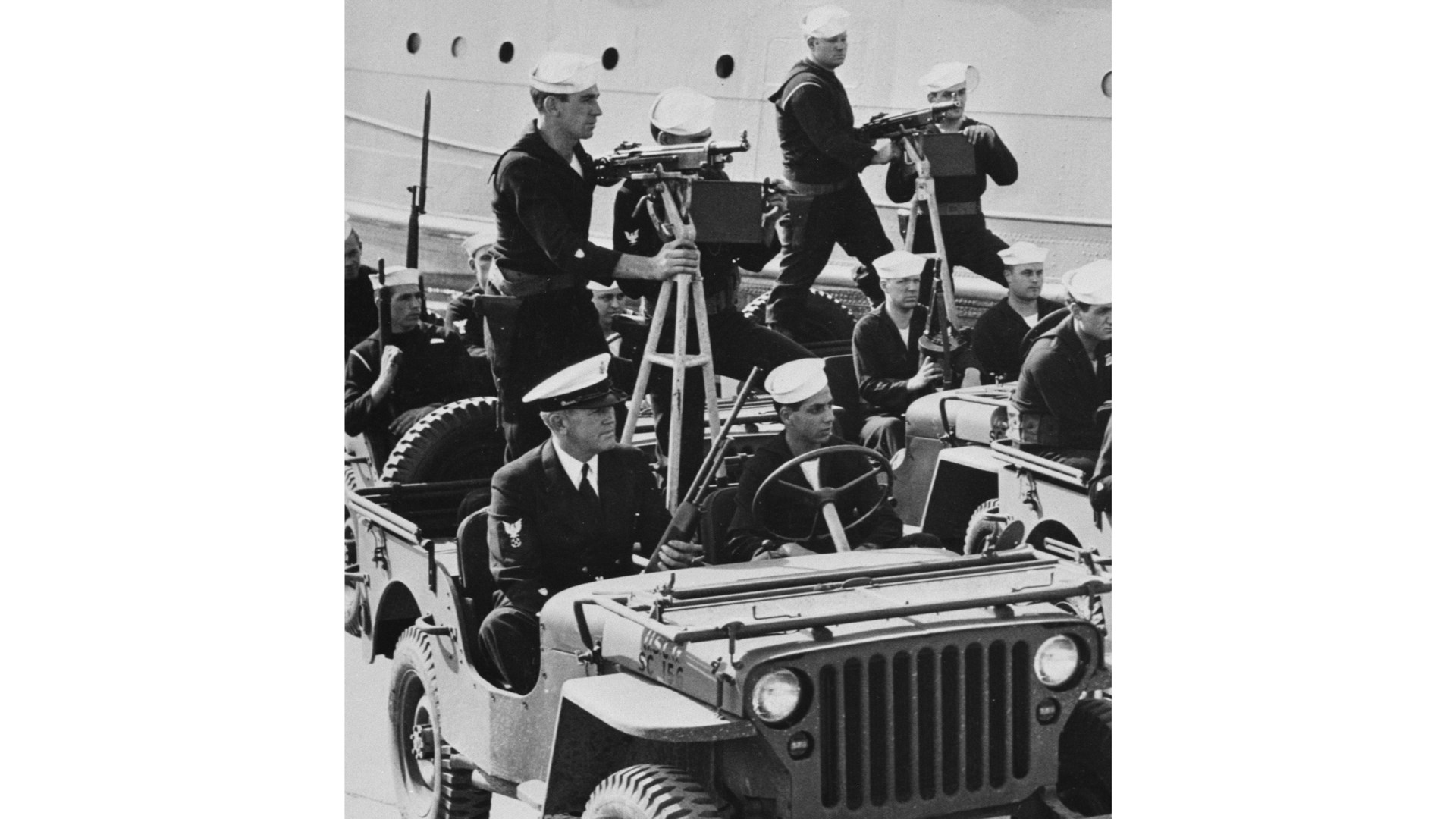
11)	Service in World War II: M1895 guns mounted aboard U.S. Coast Guard Jeeps for stateside shore patrol during 1943. national archives photographService in World War II: M1895 guns mounted aboard U.S. Coast Guard Jeeps for stateside shore patrol during 1943. National Archives photograph.

Surprisingly, a few Jeep-mounted M1895s appear in photos of stateside U.S. Coast Guard shore patrols during WWII. The old potato-digger fought on longer and in more conflicts than its maker ever expected. John Browning’s first machine gun set the stage for his later genius designs that would serve America through two world wars and beyond.
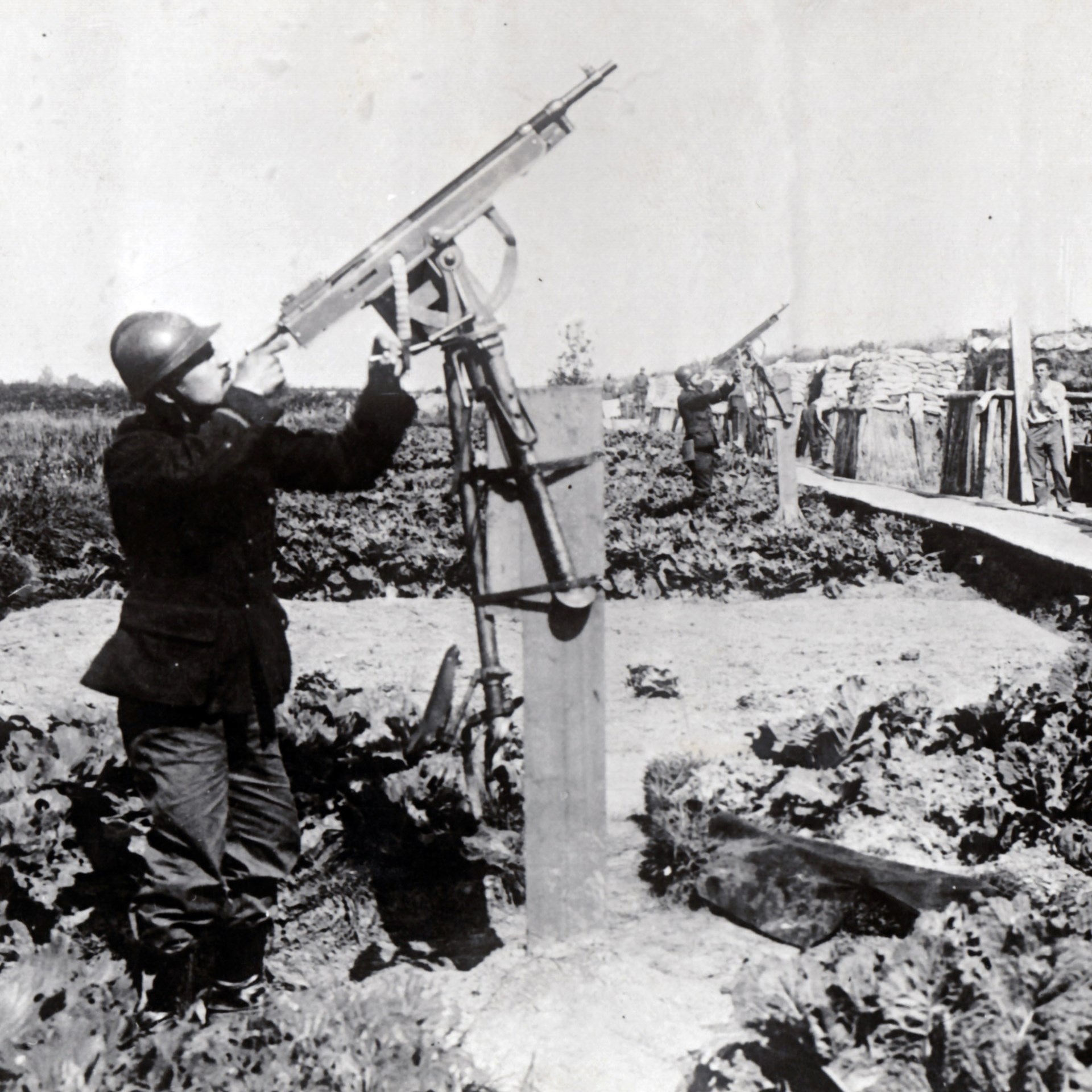
Belgian M1895 guns set up to provide anti-aircraft defense on the Western Front. NARABelgian M1895 guns set up to provide anti-aircraft defense on the Western Front. National Archives photograph.
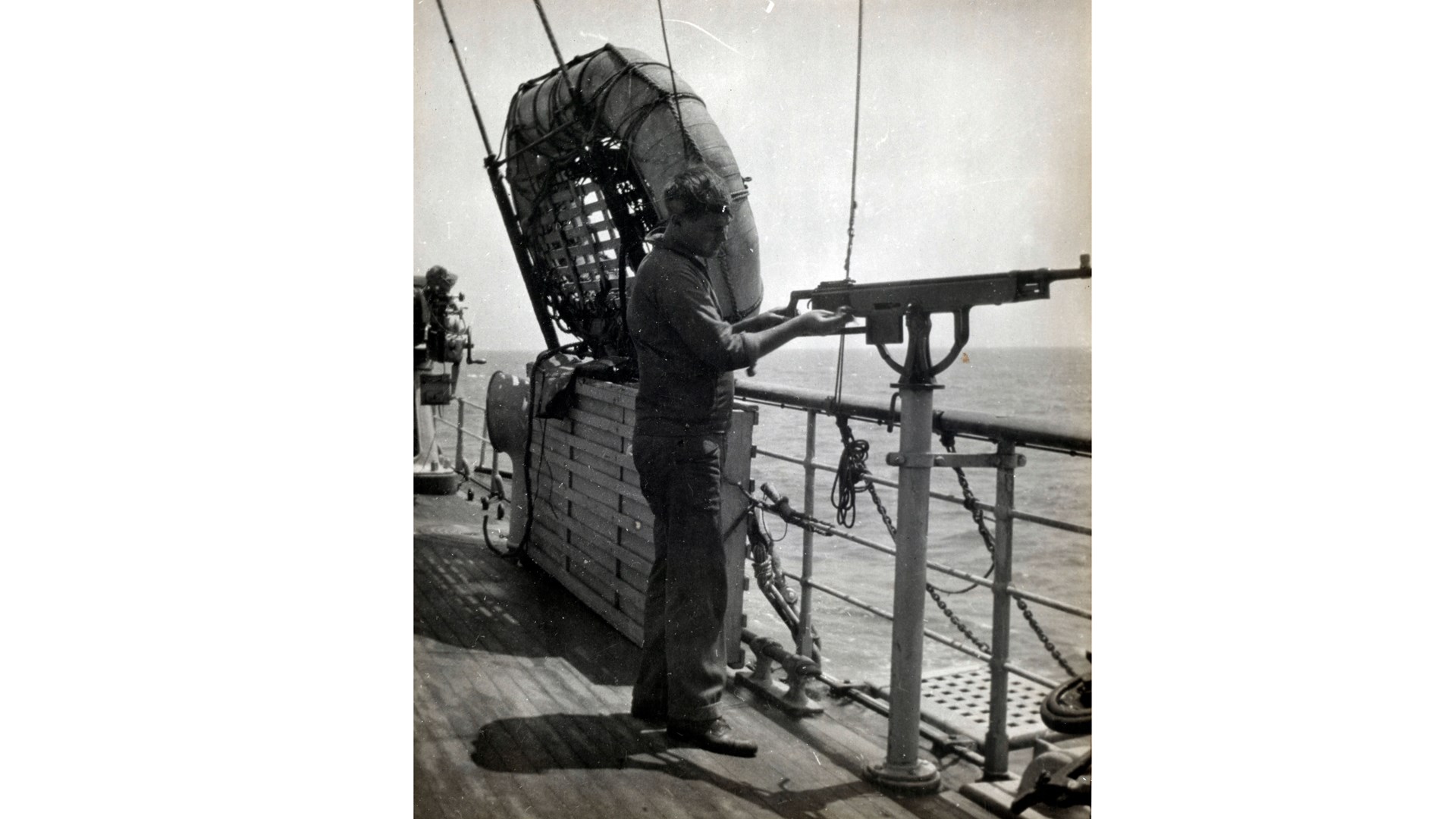
A M1895 in Coast Guard service aboard a converted yacht on anti-submarine patrol during 1918. NARAA M1895 in Coast Guard service aboard a converted yacht on anti-submarine patrol during 1918. National Archives photograph.
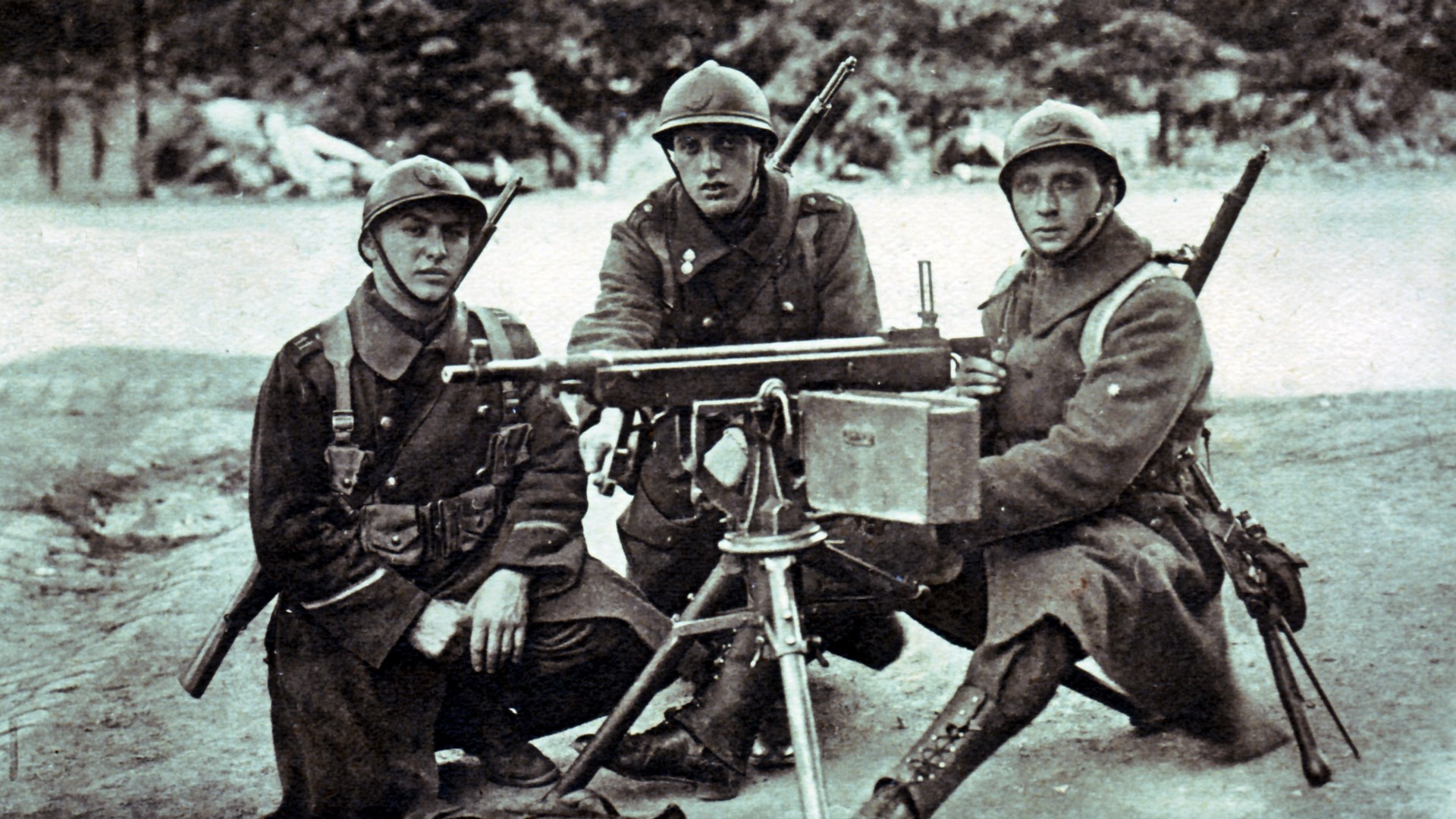
M1895 in Belgian service during World War I. Photograph from author’s collection.M1895 in Belgian service during World War I. Photograph from author’s collection.
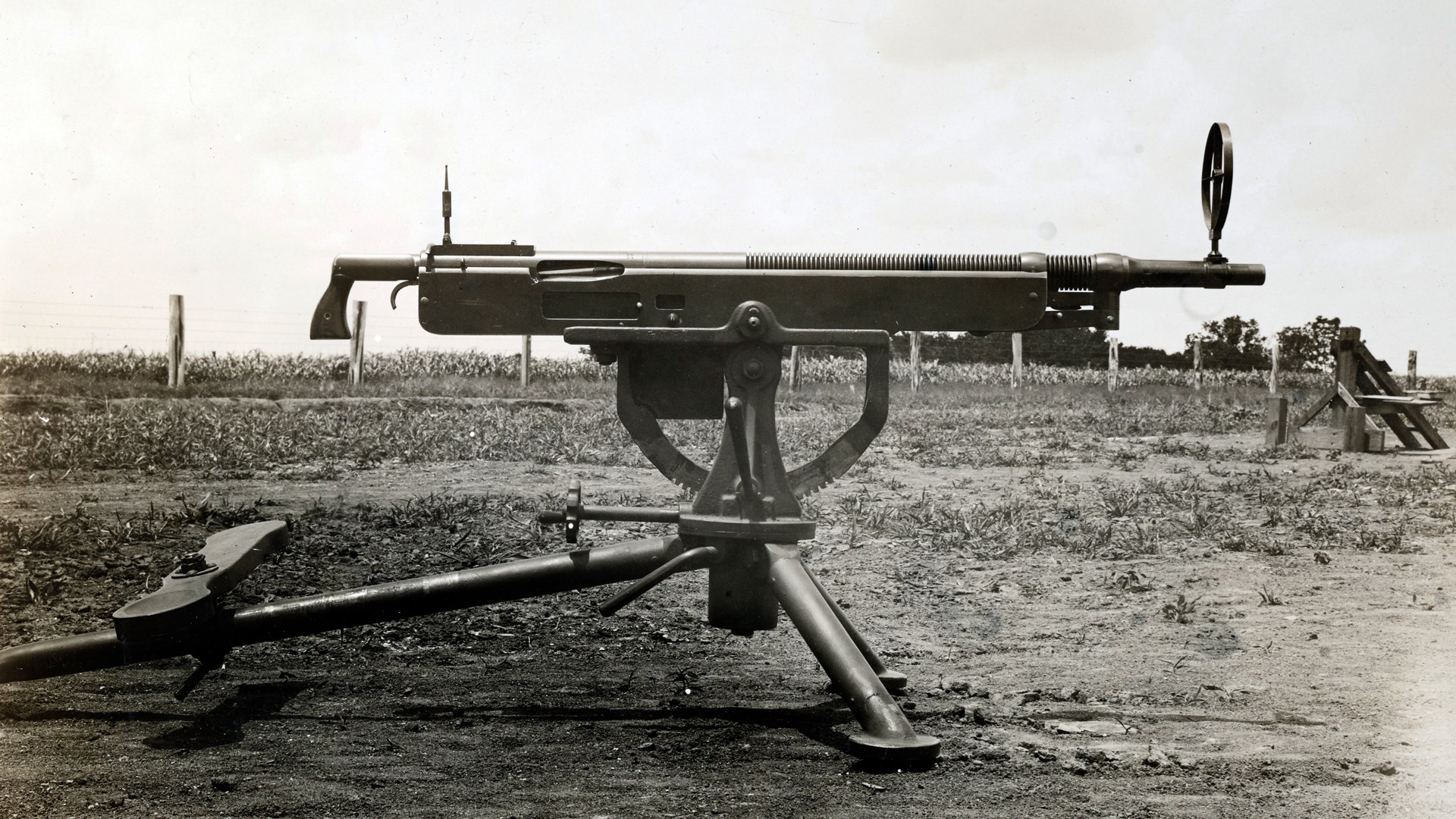
The potato-digger in training at Fort Lewis, Wash., during 1918. National Archives photograph.The potato-digger in training at Fort Lewis, Wash., during 1918. National Archives photograph.
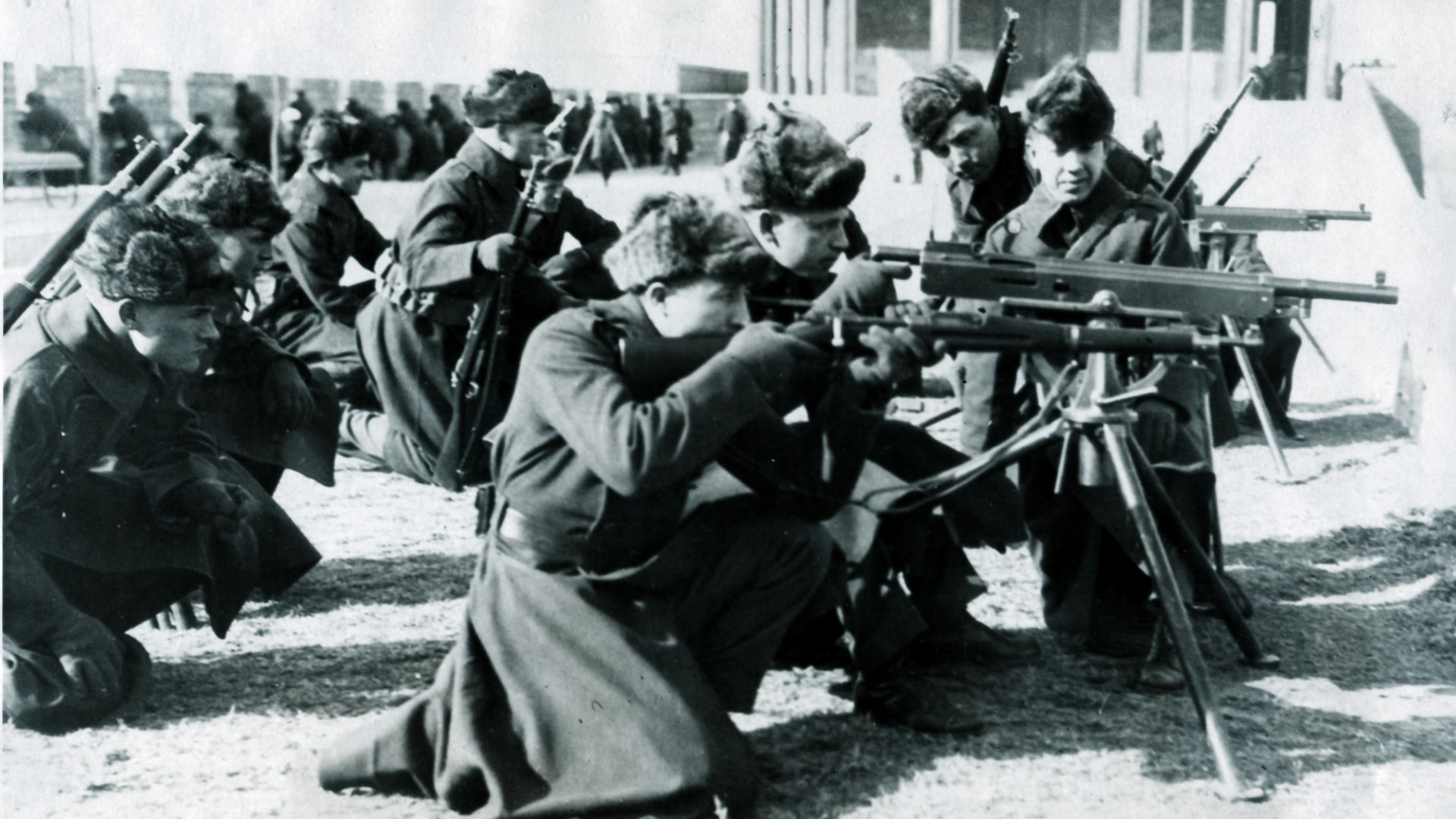
An aged M1895 serving with the USMC at Hankow, China, during December 1926. Author’s collectionAn aged M1895 serving with the USMC at Hankow, China, during December 1926. Photograph from author’s collection.


Friday, June 11, 2021

Thinking in Three Dimensions, The Genius of John Moses Browning.

 I ran across this from American Rifleman and thought it was worth a "read"

16_browning-machinegun.jpg

Browning began developing his .50-cal. machine gun when he was 63 years old. Shown above is an early water-cooled version. His air-cooled model armed every American aircraft in World War II and remains in use today worldwide. Image courtesy of Museums at Union Station.

Anything a person might want to learn about handling a John Moses Browning firearm can be found online. You can learn how to load, fix and shoot one, and you can study how it was used throughout history. From single-shot rifles for hunting elk back in 19th-century Utah to the M2 .50-cal. machine gun used to assault Taliban strongholds in 21st-century Afghanistan, Browning-designed firearms have been there and done that. What you couldn’t learn, until now, though, was how those firearms came to be invented—at least not in the words of the men who actually did the “inventing.”

While John Moses Browning came up with the ideas, the task of translating them into steel prototypes for manufacturers such as WinchesterColt, and Fabrique Nationale in Belgium was a brotherly endeavor. In previously unknown early 20th century documents, Browning, his brother Matthew and half-brother Jonathan “Ed” describe that creative process in their own words. They allow a first-hand look into how Browning used his extraordinary ability to think in three dimensions to create mechanical systems ranging from tiny pocket pistols for self-defense to five-foot long aerial machine guns.

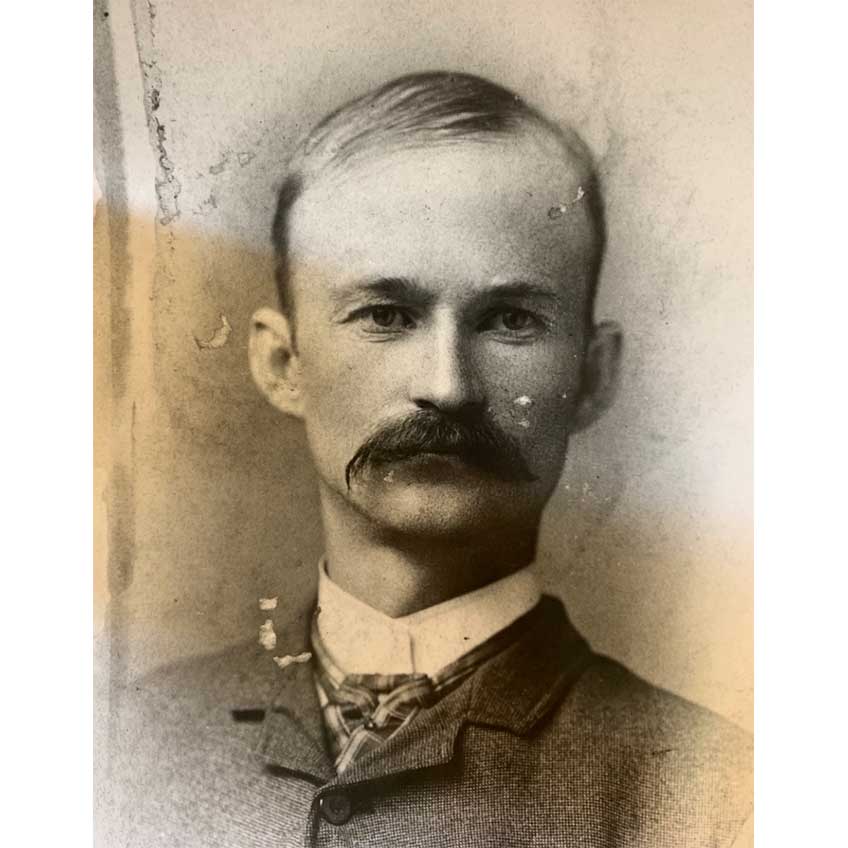
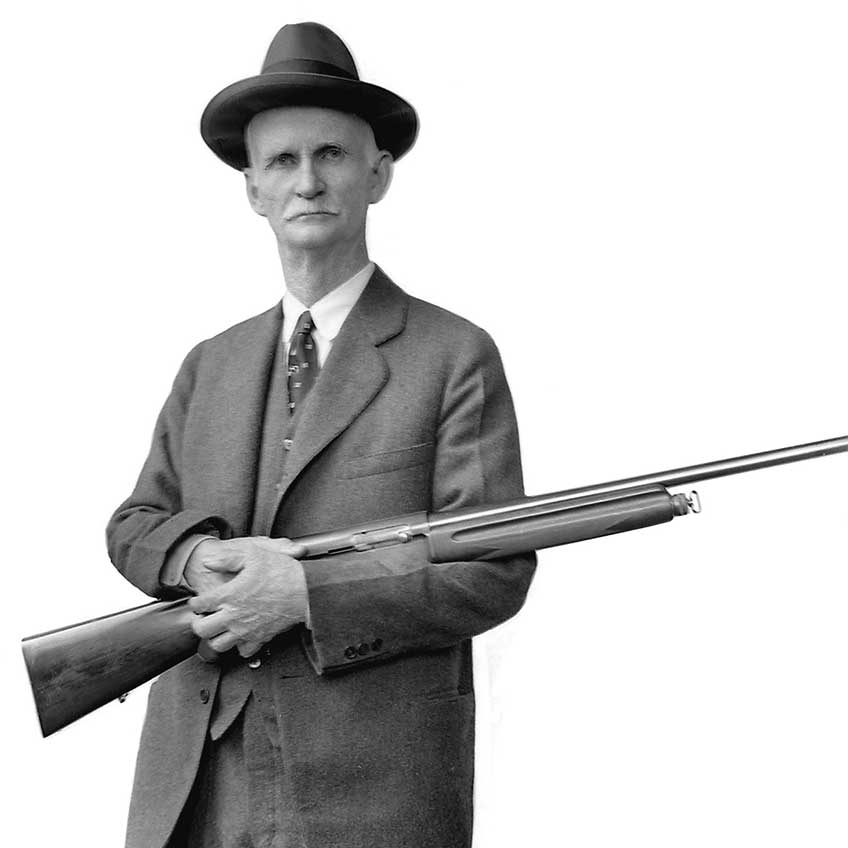
John Moses Browning circa 1890, as he neared the height of his creative powers. Courtesy of Weber State University, Stewart Library, Special Collections
John Moses Browning circa 1890, as he neared the height of his creative powers. Courtesy of Weber State University, Stewart Library, Special Collections.


Browning’s impact on American firearm culture and world history can hardly be overstated. His light, accurate and famous Winchester “.30-30” hunting rifle and pump-action shotguns dominated the American market, while in Europe more than 1.25 million Browning pistols were sold between 1899 and 1914. In fact, a Serbian assassin used his Model 1910 to murder Archduke Franz Ferdinand and ignite World War I. Decades later, the RAF fighters that won the Battle of Britain were armed with Browning guns chosen for their remarkable reliability. Indeed, during World War II, every battle Americans fought on land or in the air was fought with Browning's inventions: the 1911 pistol, the Browning Automatic Rifle, his tripod-mounted .30-cal. machine gun and the powerful, long-range M2. Some troops were even armed with a Browning shotgun design dating to 1893.

So how did he do it? To Browning, objects were ideas. He had the unique ability to visualize and manipulate objects in his head, enabling him to go from mind to metal. Remarkably, he never used blueprints. The modern world calls it “spatial thinking,” and we utilize a rudimentary version of that skill when packing a suitcase, as we fold shirts, pants, socks and jackets into shapes that fit the container. Advanced spatial thinking includes “mental rotation,” the ability to imagine three-dimensional objects and rotate them left and right or up or down. And then there is, “spatial realization,” involving “multi-step manipulations” of the objects in your mind.

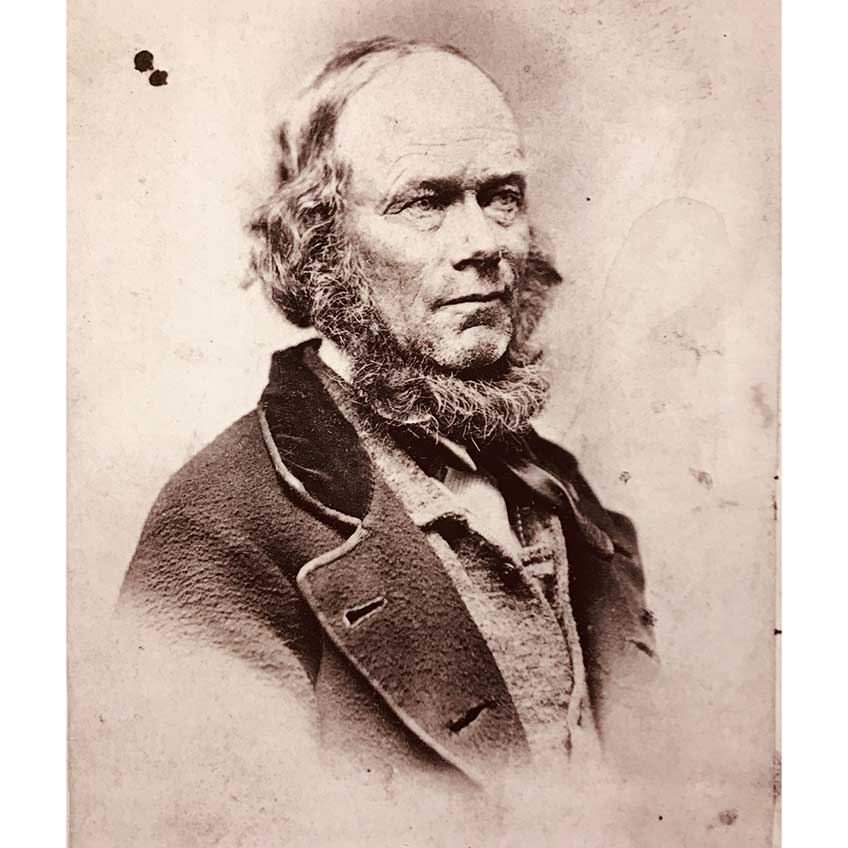
Jonathan Browning, an early convert to the Church of Jesus Christ of Latter-Day Saints, was a gunsmith, businessman and father of the famous inventor. Image courtesy of Museums at Union Station
Jonathan Browning, an early convert to the Church of Jesus Christ of Latter-Day Saints, was a gunsmith, businessman and father of the famous inventor. Image courtesy of Museums at Union Station.


For John Browning, that native skill was amplified by years spent working in the frontier town of Ogden, Utah, under the tutelage of his father, gunsmith Jonathan Browning. In 1865, at age 10, the young inventor built a primitive shotgun out of abandoned gun parts, only to be scolded by his father—not for stealing scarce powder to shoot three wildfowl but for making such a crude weapon.

Thinking through a new firearm mechanism could be a slow process. Granddaughter Judy Jones Browning, whose father was Browning’s youngest son, Val, said that her mother, Ann, watched her father-in-law sit lost in thought during evening visits, tapping his fingers on the side of his bald head, watching mechanisms working in his mind, “until he drove my mother crazy.”

Because none of Browning’s American-made firearms carried his name, the public first encountered him in World War I, when the Army adopted his Browning Automatic Rifle and .30-cal. machine gun. The popular press labeled him the “Thomas Edison” of firearms, though unlike Edison, Browning sought no publicity. He never gave a formal interview, and he kept no diary. After his death, there was no documentation of his work for historians to pore over. Browning left no drawings or blueprints because he never used them. Exactly how a Browning idea became a working firearm had never been fully understood.

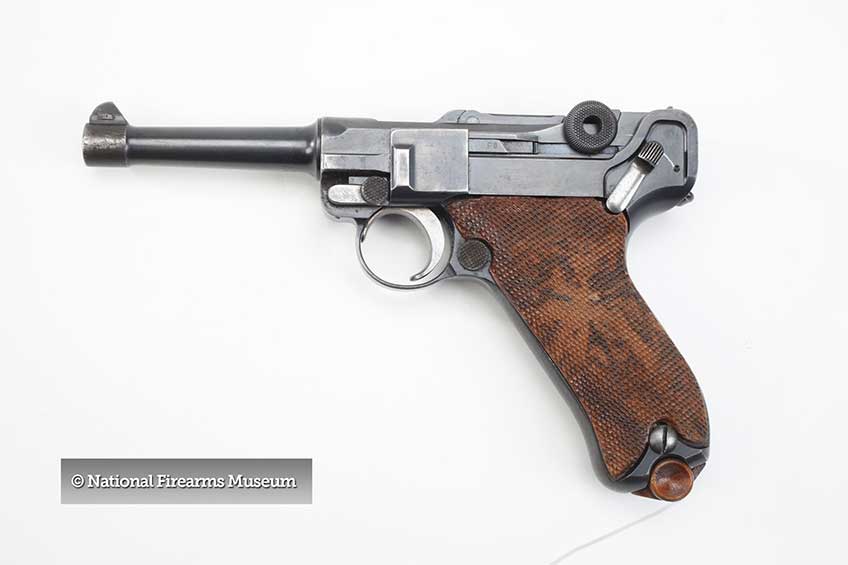
Browning's development process was highlighted during a patent dispute with Georg Luger, inventor of the famous German P.08.


It can be now, thanks to documents from the 1900s when one of Browning’s rare design failures ensnared him a lengthy patent dispute with Georg Luger, who developed the German slant-grip pistol that became the favorite souvenir of World War I doughboys and World War II GIs. The brawl was over a small metal shape that acted like a cam and that Luger used to reduce the size of the gun’s toggle-link action and so turn it into a svelte example of early 20th century engineering. The problem was that Browning had gotten there first and used the same idea in a prototype for an autoloading shotgun—and he had already filed for a patent. Fearing a threat to his pistol sales, Luger declared that Browning stole the idea from him. It was a preposterous claim—as Luger’s attorney all but admitted and as the U.S. Patent office ruled—nevertheless, the result was an eight-year legal brawl that required the Browning brothers to testify, under oath, about how they worked.

Those depositions, combined with newly available letters Browning wrote to his patent attorney, lay out the process. His first step was to design a breech mechanism. “With me, the breech closure is the initial point, everything else is designed to conform to it,” Browning wrote in 1900. What he learned making one firearm was applied to the next, and he went back and forth between projects. While thinking through a new design, he’d make rough sketches in a sort of graphical shorthand. “He can tell what he wants from the sketches, but no one could work from them,” his brother Matt told Luger’s attorney in 1901

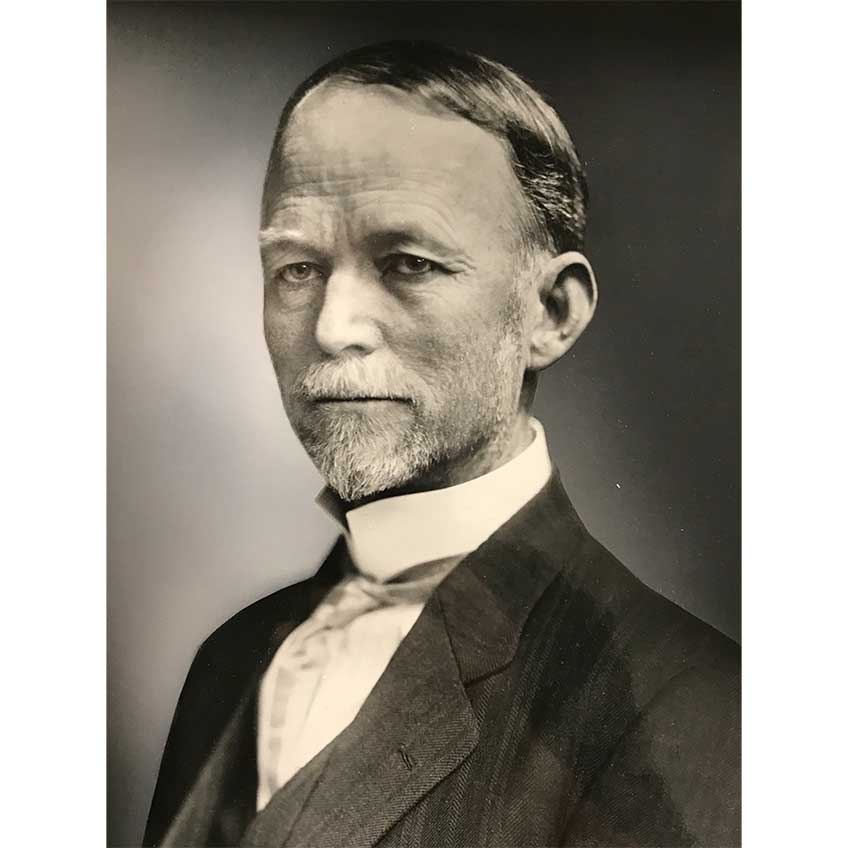
Matthew Sandefur Browning, John's younger brother and lifelong business partner, circa 1915. Courtesy of Museums at Union Station
Matthew Sandefur Browning, John's younger brother and lifelong business partner, circa 1915. Courtesy of Museums at Union Station.


“My brother does not make working drawings,” Matt said, “After he has made sketches and has got the shape of the parts in his mind, he usually makes a templet or plate of steel, the shape of the receiver. Then he drills holes and cuts grooves and rivets pieces on this plate, then makes the breech parts in a skeleton form, so he can see how the breech parts co-act with one another ... he always being present tells how wide to make the cuts and how thick to make the parts.” Note Matthew’s language: Browning “tells” someone how to cut the steel. Who did he tell? Occasionally Matt, but usually their half-brother Ed. “I have done the biggest part of the work, that is, the manual labor on all of them, and construct the models and guns,” Ed said.

Jonathan “Ed” Browning had the same father as John and Matt but a different mother. Their father, Jonathan, was a Mormon with three wives. His second wife, Elizabeth, gave birth to John and Matthew, and his third wife, Ann, was Ed’s mother. Ed left a job at Ogden’s railroad yard in 1879 to join John and Matt’s gunsmithing and sporting-goods business, where he proved himself a talented machinist. By 1887 he—not John Moses Browning—was mostly responsible for churning out the dozens of Browning’s prototypes.

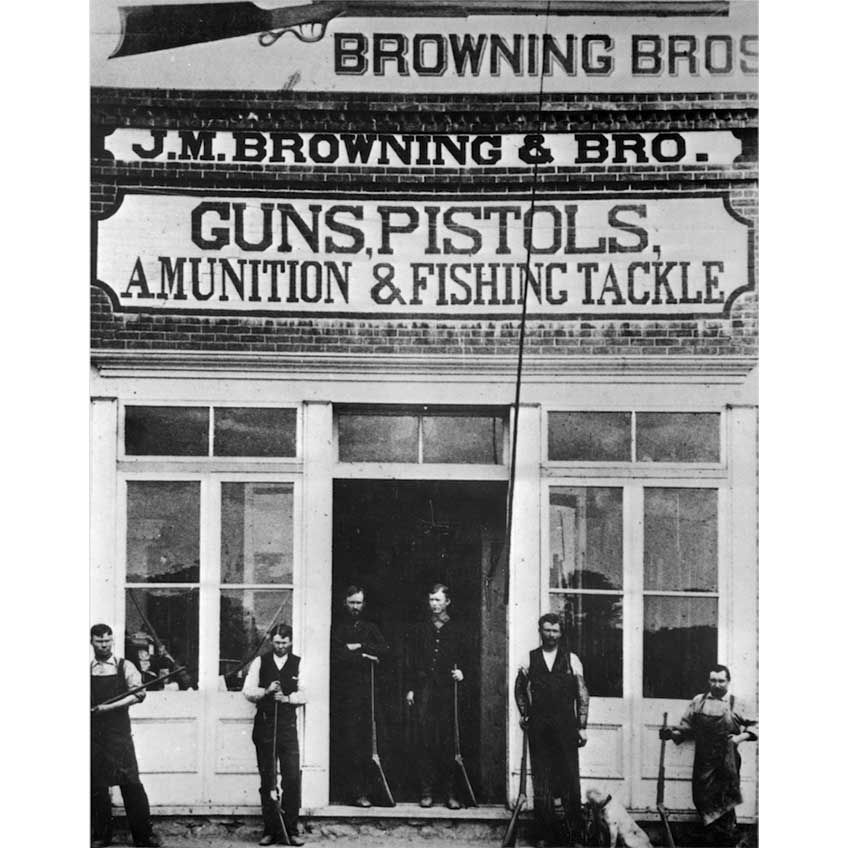
The first Browning storefront, circa 1879. John and Matt stand in the doorway, flanked by their brothers. Frank Rushton is on the far right. All are holding the first Browning rifle, the famous single-shot. It is still in production. Image courtesy of the Utah State Archives
The first Browning storefront, circa 1879. John and Matt stand in the doorway, flanked by their brothers. Frank Rushton is on the far right. All are holding the first Browning rifle, the famous single-shot. It is still in production. Image courtesy of the Utah State Archives.


Indeed, as Browning told Luger’s attorney he only “assisted in making the model” shotgun, before adding, “Of course, I invented it.” John literally stood at Ed’s shoulder as he worked, John thinking and Ed making. While Browning had the ideas, Ed’s role likely gave him the opportunity to act as editor to John’s ideas as they were turned into steel.

Indeed, as Browning told Luger’s attorney he only “assisted in making the model” shotgun, before adding, “Of course, I invented it.” John literally stood at Ed’s shoulder as he worked, John thinking and Ed making. While Browning had the ideas, Ed’s role likely gave him the opportunity to act as editor to John’s ideas as they were turned into steel.

“Every cut that we made we discussed whether that is right or not,” Ed said, “and every part is looked at and talked over a great deal … to make it and make it over again may be as high as three times, probably—possibly more than that—before we leave it … to determine whether they are strong enough, whether they are heavy enough, or too heavy, and possibly a part won’t do and we have to throw it away. And once in a while my brother John M. would get stuck, and would have to take some time to get it straightened out.” Ed said he never worked on a John Browning design when the inventor was on one of his lengthy trips to the Colt and Winchester factories or the FN complex in Belgium, but when they bent over a work bench, their minds synced together. An American army officer who worked with John and Ed at the Colt plant in Connecticut confirmed as much in a letter, writing, “Both had told me how the one got an idea and the other put into metal the thoughts of the other.”

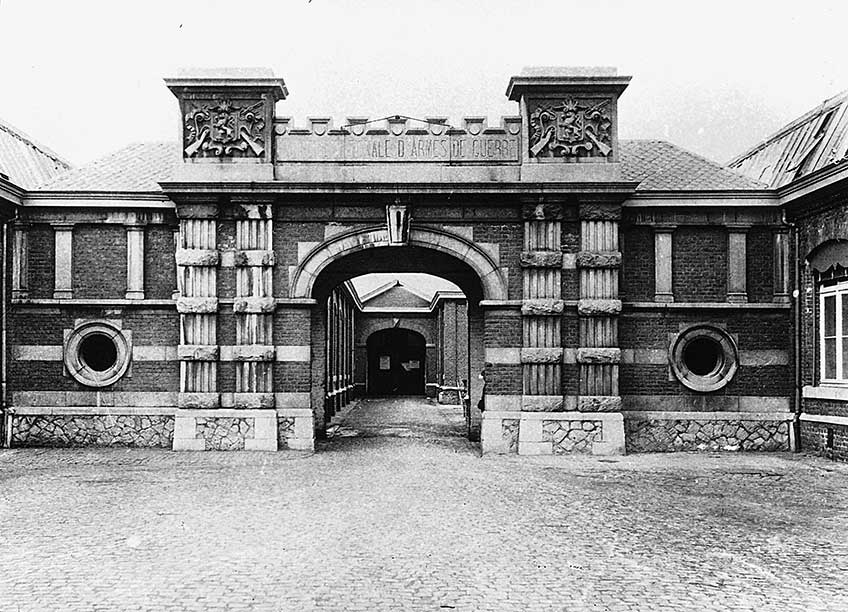
Many of Browning's designs were produced by Fabrique Nationale in Belgium, and Browning traveled to Belgium dozens of times throughout his life.


Browning’s own testimony was largely spent refuting Luger’s claims of theft. He dismissed Luger as a one-gun wonder. “In fact, Mr. Luger has not made many inventions, to my knowledge … the pistol is all that I know of Mr. Luger ever having done in the way of inventions and firearms.” In a later court document Browning said the German may have stolen the toggle-link innovation from him. Of course another possibility is that both men, one in America, one in Germany, hit on the idea independently.

Once completed in the fall of 1898, Browning’s five-round, toggle-link shotgun prototype did not sit idle. Financial success allowed Browning to test each step of a design by firing hundreds or thousands of shells while watching and listening for a hiccup or a pause that signaled a faulty part or dimensional error. Friends and shooting partners took the shotgun trap shooting and hunting and remarked on the toggle-link action. On one day, Browning recruited 32-year-old soda pop bottling manager James H. Emmett to help test. “Browning was shooting it, and I was throwing objects for him to shoot at, and I was shooting it and he throwed up for me while I shot it.” Emmett was fascinated. “One of the most forcible (sic) things about it, I know when I got through shooting it the last shot, these here things,” and he pointed to the toggle links, “would stick up in front of your eyes.”

John Moses Browning filed his patent for a “Recoil Operated Firearm” on May 6, 1899. The gun that would become the Auto-5 was the first successful semi-auto shotgun.


History has shown that the toggle link action was a developmental dead-end. Browning sent his prototype off to Winchester, which found his gun unworkable, and no modern firearm uses the action. Never at a loss for ideas, Browning had, in fact, abandoned the concept while he and Luger were still in court. By 1901, he was completing work on a totally different mechanism for what became known as the Auto-5, the long-recoil autoloading shotgun with the notable "hump." Browning licensed the patent to FN in Belgium after Winchester declined Browning’s financial demands. That rejection has been called the worst decision in Winchester’s history, but exactly why and how that happened has long been misunderstood. Recently uncovered archival documents and letters correct the details of that and other significant events in Browning’s life, including his discovery by Winchester in 1883 and his later association with FN, which began years before the commonly accepted date of 1902. Of what there is no doubt is the success of the Auto-5. It became one of the best-selling hunting and sport shotguns ever produced. Indeed, so many have been made—4 million at least—that a production estimate is guess. As his grandson Bruce W. Browning once wrote, “Production figures on this gun cannot even be estimated … it has been copied by manufacturers in so many countries.”

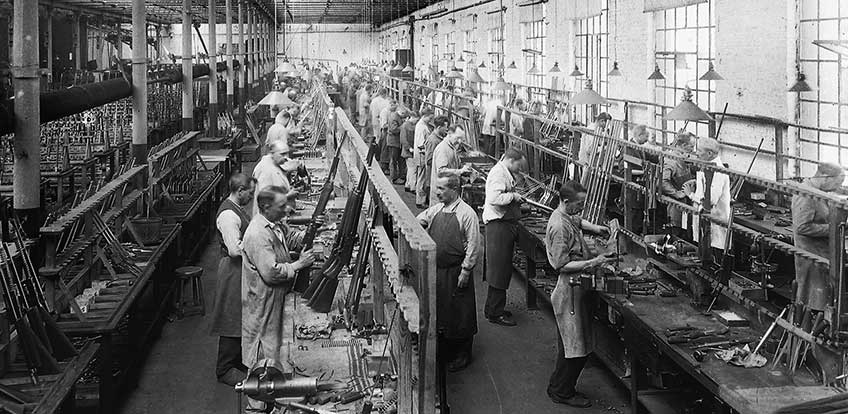
FN Shipped its first Auto-5 to Browning in 1903, and basic production ceased in 1978. A few special Auto-5 runs were produced later. Shown here is Auto-5 assembly at FN during the 1930s.


As for the patent dispute, the case produced a mixed result. Browning was initially declared to be the first inventor, and so in 1903, he and Colt sought to halt Luger’s American sales. That case dragged out until in 1908 when a federal appeals court ruled that neither Browning—nor, by extension, Luger—could claim to be idea’s originator, so Luger was free to continue selling his popular gun. Adding insult to injury, Browning and Colt were ordered to reimburse Luger's legal fees. Browning was right about Luger in one respect, however. The German inventor only produced one successful firearm (and that built on the work of Hugo Borchardt.) Browning in the meantime went on to create the Colt 1911, his two famous machine guns, the Woodsman target pistol and the automatic rifle, among other arms.

John Browning went on inventing until his death at the FN plant in 1926. On that final trip to Belgium, he was accompanied for the first time by his wife, Rachel. The day after celebrating Thanksgiving in a Liege apartment with his son Val and daughter-in-law Ann, the inventor walked up the short flight of stairs to the FN offices and soon thereafter suffered a heart attack and died. He laid in state in company’s boardroom, where a plaque honoring the inventor can still be seen.


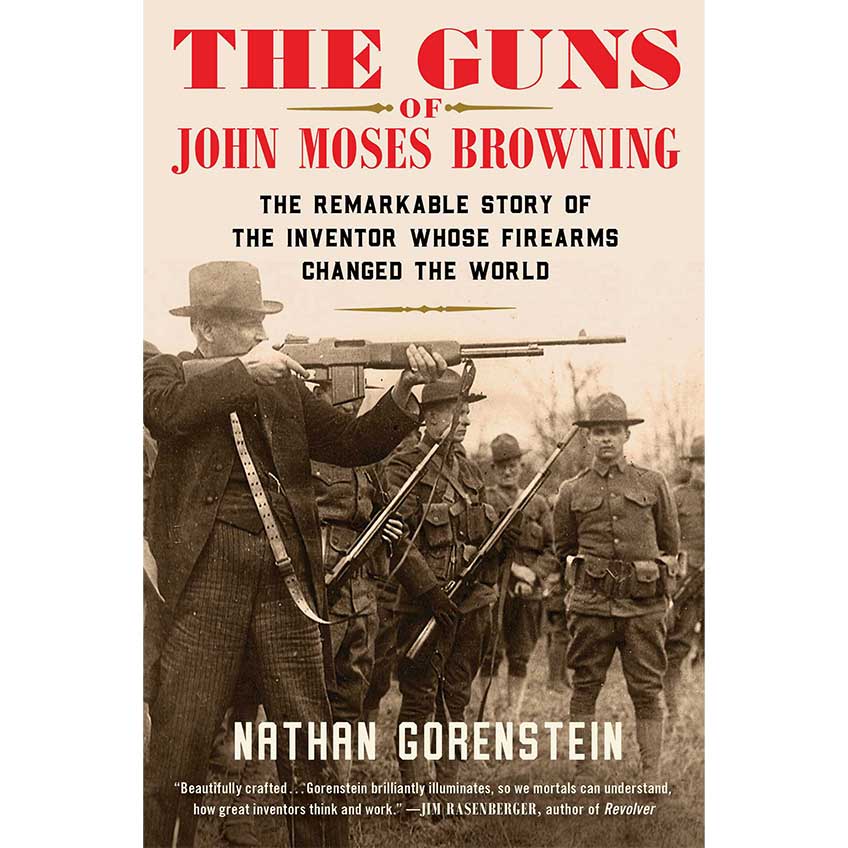
The Guns of John Moses Browning

Scribner Books’ latest offering, “The Guns of John Moses Browning” by Nathan Gorenstein, highlights the story of one of the most influential firearm inventors in history. The new book dives into the background of Browning’s incredible genius, highlighting his self-taught background and his ability to “think in three dimensions” that allowed him to create revolutionary firearm designs without relying on blueprints.

In its 320 pages, the book covers the life of John Moses Browning, from his birth and early years on the American frontier in Ogden, Utah, to his death in November 1926 at his Fabrique Nationale office in Belgium. Along the way, readers are treated to an in-depth look at Browning’s development process, as well as historical anecdotes where Browning’s guns played a role in many of the momentous events of the 20th century.

Gorenstein’s work strikes a balance between accessibility and lavish detail, and the end result is a book that informs those unfamiliar with firearm mechanisms while providing tantalizing details not known to even the most serious firearm enthusiast. The prologue opens with a 19-year-old Gavrilo Princip and accurately describes the operation of his FN 1910 pistol, a Browning design, as he fires the fateful shots that kill Archduke Franz Ferdinand and his wife, Sophie. Another chapter takes readers behind the scenes as Gorenstein reconstructs the development process of Browning’s gas-operated machine gun. You’ll learn about how a single sprig of sweet clover inspired Browning to head back to his shop and start experimenting with his .44-cal. Winchester lever-action rifle. The results of his experimentation would change warfare and the world forever. Toward the end, readers are treated with tantalizing details of the items Browning left following his death, including a .22-cal. target pistol, two semi-automatic shotguns of his own design and a single .22-cal. rifle.